THE ADVENTURE COLLECTIVE® · Independent discovery and booking for outdoor travel

A compact 2-day loop that combines Bromo’s dawn crater rim with Ijen’s night-time blue flame. Expect predawn hikes, long transfers, and raw volcanic scenery best tackled with a local guide.
A compact 2-day loop that combines Bromo’s dawn crater rim with Ijen’s night-time blue flame. Expect predawn hikes, long transfers, and raw volcanic scenery best tackled with a local guide.
You step from the jeep into cold, highland air; a low orange line cleaves the horizon and the Tengger sands breathe underfoot. Early-morning tea or coffee on the observation deck loosens limbs before the walk across ash flats to Mount Bromo’s rim, where steam hisses and the crater’s throat grumbles beneath an uncrowded sky.
Verified experiences and guided adventures in the surrounding area.
Operated by Bromotrail · Cemoro Lawang, East Java
You step from the jeep into cold, highland air; a low orange line cleaves the horizon and the Tengger sands breathe underfoot. Early-morning tea or coffee on the observation deck loosens limbs before the walk across ash flats to Mount Bromo’s rim, where steam hisses and the crater’s throat grumbles beneath an uncrowded sky.
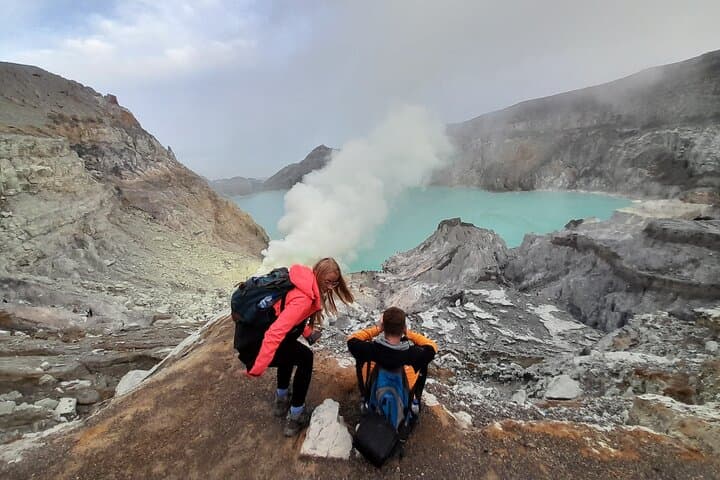
These twin highlights—Bromo and Ijen—sit on different tectonic stages. Bromo is part of the Tengger massif, a younger cone sitting in a sea of volcanic sand formed by repeated eruptions and wind-scoured slopes. Ijen, farther east, is famous for its acid turquoise crater lake and the rare electric-blue sulfur flames that ignite in early predawn when sulfur gases combust.
Local culture is tangible: Tenggerese Hindu villages around Bromo maintain seasonal rituals and horsemen still guide visitors across the plain. Bondowoso and Banyuwangi towns serve as practical bases—simple hotels, local warungs, and guides who know every steep step and sulfur outcrop.
Practical guidance: expect two short pre-dawn hikes—Bromo’s approach across sand and a steeper, rocky ascent at Ijen—so bring steady boots, layered insulation, and a gas mask for sulfur fumes (provided but carry a spare filter if you’re sensitive). Travel time between sites is significant; transfers often occur overnight. Aim for moderate fitness (stamina for 1–2 hour predawn hikes), hydrate well, and keep valuables secure in the jeep during transfers. With a good guide, this 2-day loop delivers raw volcanic theater: sunrise on a crater rim and the surreal glow of Ijen’s blue flame—both unforgettable and logistically feasible for travelers based in Malang or Surabaya.
moderate.
2 days (overnight).
Moderate fitness: able to handle 1–2 hours of predawn hiking twice and short climbs over uneven terrain
Each hike is short (about 1–2 hours) but done predawn on uneven terrain; moderate fitness is sufficient, and guides assist along steep sections.
Blue flame is visible when sulfur gases ignite in low wind and dark conditions—most nights produce it, but visibility can be affected by weather and visitor position.
Gases can irritate eyes and lungs; masks are provided and recommended—anyone with respiratory issues should consult a doctor before booking.
Yes—many itineraries finish at Ketapang (Banyuwangi) for the ferry to Bali; transfers to Surabaya or Malang are also available.
The Tengger region is home to the Tenggerese people, a Hindu community that maintains ceremonies around Mount Bromo; Ijen’s crater has long been the site of small-scale sulfur mining.
Both parks face pressure from tourism and mining; stick to trails, avoid litter, and follow local guide instructions to minimize impact.
Bromotrail operates guided outdoor trips and adventures with an emphasis on safety, stewardship, and memorable experiences.
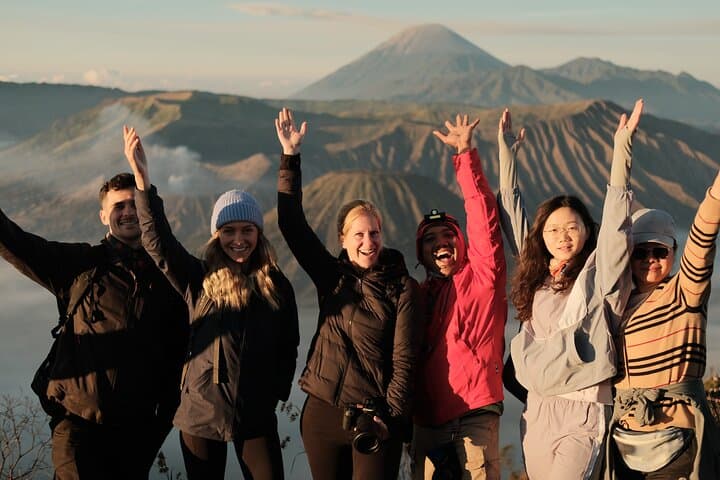
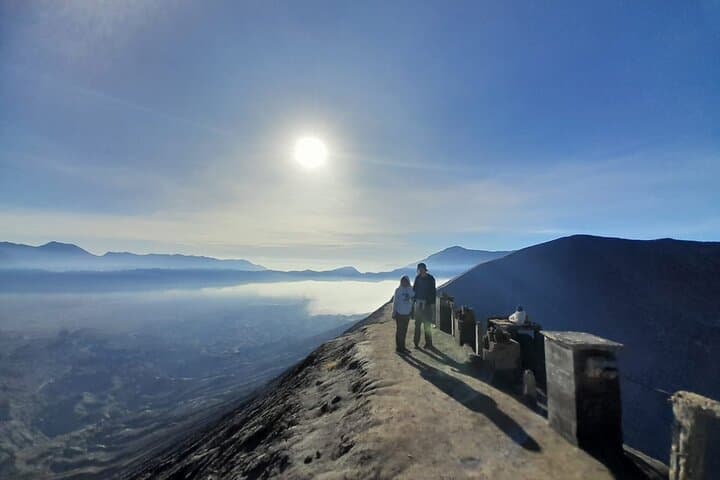
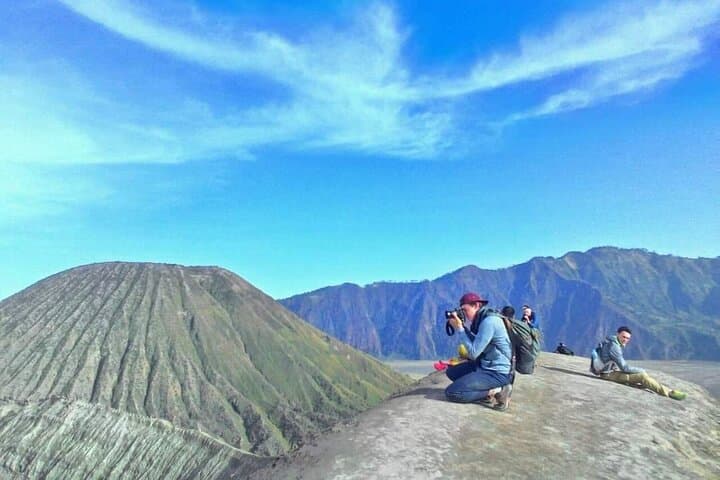
You step from the jeep into cold, highland air; a low orange line cleaves the horizon and the Tengger sands breathe underfoot. Early-morning tea or coffee on the observation deck loosens limbs before the walk across ash flats to Mount Bromo’s rim, where steam hisses and the crater’s throat grumbles beneath an uncrowded sky.
You step from the jeep into cold, highland air; a low orange line cleaves the horizon and the Tengger sands breathe underfoot. Early-morning tea or coffee on the observation deck loosens limbs before the walk across ash flats to Mount Bromo’s rim, where steam hisses and the crater’s throat grumbles beneath an uncrowded sky.
These twin highlights—Bromo and Ijen—sit on different tectonic stages. Bromo is part of the Tengger massif, a younger cone sitting in a sea of volcanic sand formed by repeated eruptions and wind-scoured slopes. Ijen, farther east, is famous for its acid turquoise crater lake and the rare electric-blue sulfur flames that ignite in early predawn when sulfur gases combust.
Local culture is tangible: Tenggerese Hindu villages around Bromo maintain seasonal rituals and horsemen still guide visitors across the plain. Bondowoso and Banyuwangi towns serve as practical bases—simple hotels, local warungs, and guides who know every steep step and sulfur outcrop.
Practical guidance: expect two short pre-dawn hikes—Bromo’s approach across sand and a steeper, rocky ascent at Ijen—so bring steady boots, layered insulation, and a gas mask for sulfur fumes (provided but carry a spare filter if you’re sensitive). Travel time between sites is significant; transfers often occur overnight. Aim for moderate fitness (stamina for 1–2 hour predawn hikes), hydrate well, and keep valuables secure in the jeep during transfers. With a good guide, this 2-day loop delivers raw volcanic theater: sunrise on a crater rim and the surreal glow of Ijen’s blue flame—both unforgettable and logistically feasible for travelers based in Malang or Surabaya.