THE ADVENTURE COLLECTIVE® · Independent discovery and booking for outdoor travel

A two-day overnight that pairs Bromo’s lunar caldera and Madakaripura waterfall with a midnight trek to Ijen’s turquoise crater. Expect night jeeps, short volcanic hikes and sunrise light that transforms ash into landscape.
A two-day overnight that pairs Bromo’s lunar caldera and Madakaripura waterfall with a midnight trek to Ijen’s turquoise crater. Expect night jeeps, short volcanic hikes and sunrise light that transforms ash into landscape.
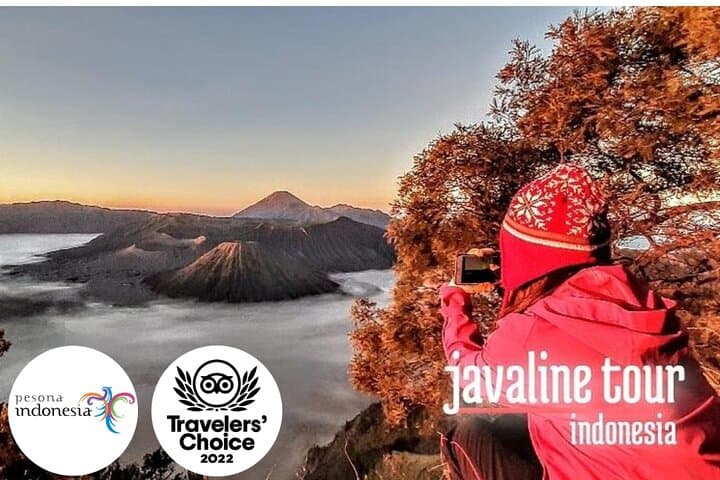
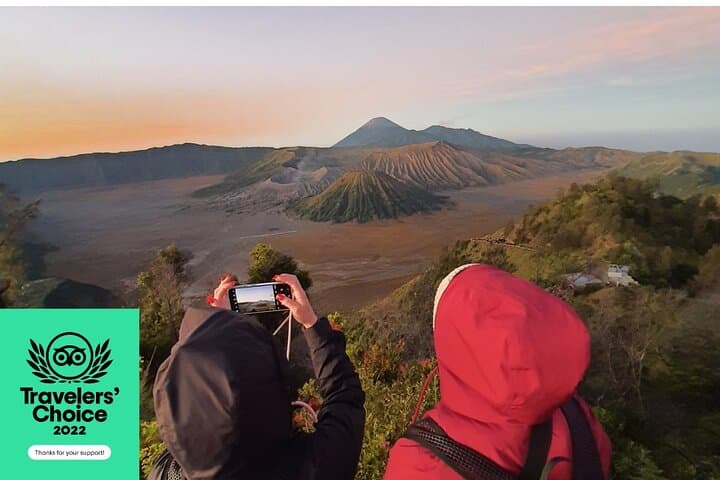
You arrive before dawn on a moonless night, headlights slicing through volcanic mist as a jeep climbs toward Penanjakan. The horizon is still a bruise when the caldera exhales: a low, rolling steam that pushes across the sea of sand like a living thing. At the ridge you join a crowd waiting for the first ribbon of light to pull Bromo into relief; later you will hike the dark saddle to the crater, headlamps skimming ash and pumice.
Verified experiences and guided adventures in the surrounding area.
Operated by Bromo tours by javalinegroup · Probolinggo, East Java
You arrive before dawn on a moonless night, headlights slicing through volcanic mist as a jeep climbs toward Penanjakan. The horizon is still a bruise when the caldera exhales: a low, rolling steam that pushes across the sea of sand like a living thing. At the ridge you join a crowd waiting for the first ribbon of light to pull Bromo into relief; later you will hike the dark saddle to the crater, headlamps skimming ash and pumice.
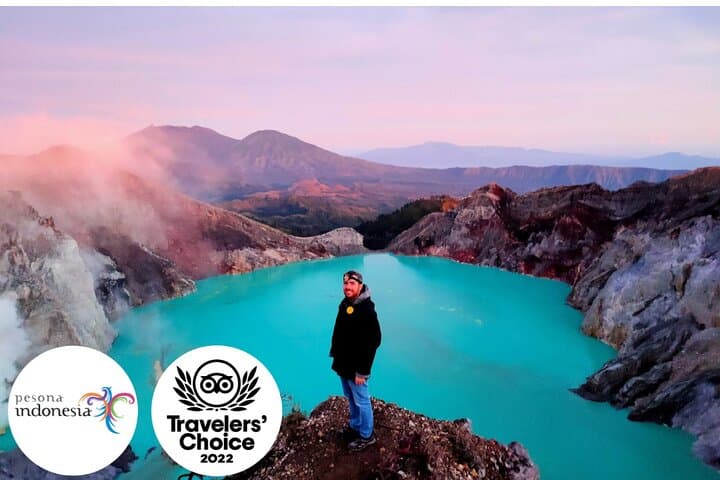
This two-day route stitches together East Java’s dramatic geology and Tenggerese culture. Mount Bromo (approx. 2,329 m) sits inside a vast caldera carved by older eruptions; the Ijen complex farther east hosts a turquoise acid lake framed by a smoking sulfur rim. The Tengger people maintain Hindu shrines around Bromo and still observe the Kasada festival, offering crops and livestock to the volcano.
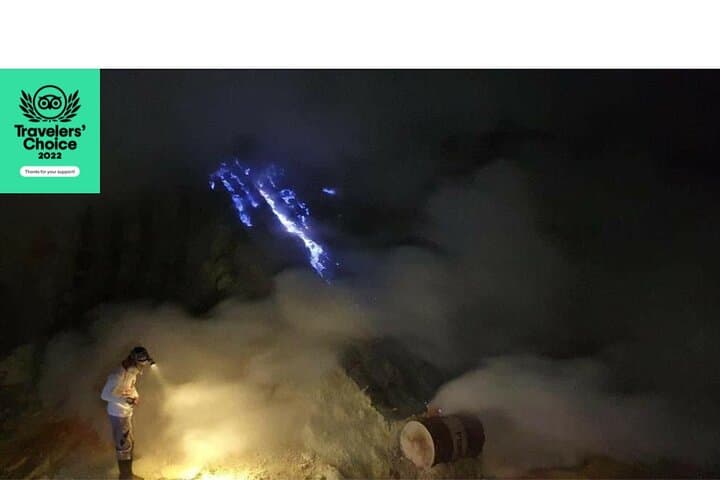
Expect volcanic sand, steep stone steps to Bromo’s rim (30–45 minutes), and a roughly 1–1.5 hour night ascent at Ijen to reach the crater rim for sunrise. Madakaripura waterfall is a wet, mossy contrast — a 45-minute walk where you should expect to get damp. Guides provide jeeps, bottled water and basic hotel transfers; crews often time departures from Surabaya to link flights and transfers.
Practical: travel light, carry a headlamp, warm layers and a mask for sulfur fumes at Ijen. Stagger your sleep—the tour runs through the night—and keep to marked routes. Sunrise viewpoints are crowded; patience and an early jeep placement reward you with clearer vistas. Respect local customs, pack out trash, and follow your guide for safe crater access.
moderate.
Approximately 2 days (overnight).
Moderate fitness recommended: comfortable walking for 1–2 hours over uneven volcanic terrain and short steep sections
Bromo’s crater rim is typically a 30–45 minute walk from the sea of sand or parking area; Ijen’s summit approach from the base takes about 1–1.5 hours depending on pace and route.
The operator notes this tour is not recommended for pregnant travelers or those with serious spinal or heart conditions; assess children’s ability to handle night travel, cold and uneven terrain before booking.
Yes—on clear mornings you can reach the Ijen rim in time for sunrise and see the bright turquoise acid lake, though sulfur smoke can limit visibility on some days.
Some guides carry basic masks, but bringing a higher-quality respirator (e.g., N95 or reusable mask) is recommended for comfort during crater descents.
Bromo sits in the Tengger caldera and is sacred to the Tenggerese people; the annual Kasada festival includes offerings cast into the crater.
Volcanic soils are fragile and trails erode quickly; stay on marked paths, avoid leaving trash and follow guides to limit impact on crater rims and waterfall areas.
Bromo tours by javalinegroup operates guided outdoor trips and adventures with an emphasis on safety, stewardship, and memorable experiences.
You arrive before dawn on a moonless night, headlights slicing through volcanic mist as a jeep climbs toward Penanjakan. The horizon is still a bruise when the caldera exhales: a low, rolling steam that pushes across the sea of sand like a living thing. At the ridge you join a crowd waiting for the first ribbon of light to pull Bromo into relief; later you will hike the dark saddle to the crater, headlamps skimming ash and pumice.
You arrive before dawn on a moonless night, headlights slicing through volcanic mist as a jeep climbs toward Penanjakan. The horizon is still a bruise when the caldera exhales: a low, rolling steam that pushes across the sea of sand like a living thing. At the ridge you join a crowd waiting for the first ribbon of light to pull Bromo into relief; later you will hike the dark saddle to the crater, headlamps skimming ash and pumice.
This two-day route stitches together East Java’s dramatic geology and Tenggerese culture. Mount Bromo (approx. 2,329 m) sits inside a vast caldera carved by older eruptions; the Ijen complex farther east hosts a turquoise acid lake framed by a smoking sulfur rim. The Tengger people maintain Hindu shrines around Bromo and still observe the Kasada festival, offering crops and livestock to the volcano.
Expect volcanic sand, steep stone steps to Bromo’s rim (30–45 minutes), and a roughly 1–1.5 hour night ascent at Ijen to reach the crater rim for sunrise. Madakaripura waterfall is a wet, mossy contrast — a 45-minute walk where you should expect to get damp. Guides provide jeeps, bottled water and basic hotel transfers; crews often time departures from Surabaya to link flights and transfers.
Practical: travel light, carry a headlamp, warm layers and a mask for sulfur fumes at Ijen. Stagger your sleep—the tour runs through the night—and keep to marked routes. Sunrise viewpoints are crowded; patience and an early jeep placement reward you with clearer vistas. Respect local customs, pack out trash, and follow your guide for safe crater access.