THE ADVENTURE COLLECTIVE® · Independent discovery and booking for outdoor travel

Witness Ijen’s surreal blue fire and Bromo’s sky-splitting sunrise on a compact 3-day route that pairs night hiking with jeep-assisted dawns. Practical logistics, cultural context, and what to pack for volcanic conditions.
Witness Ijen’s surreal blue fire and Bromo’s sky-splitting sunrise on a compact 3-day route that pairs night hiking with jeep-assisted dawns. Practical logistics, cultural context, and what to pack for volcanic conditions.
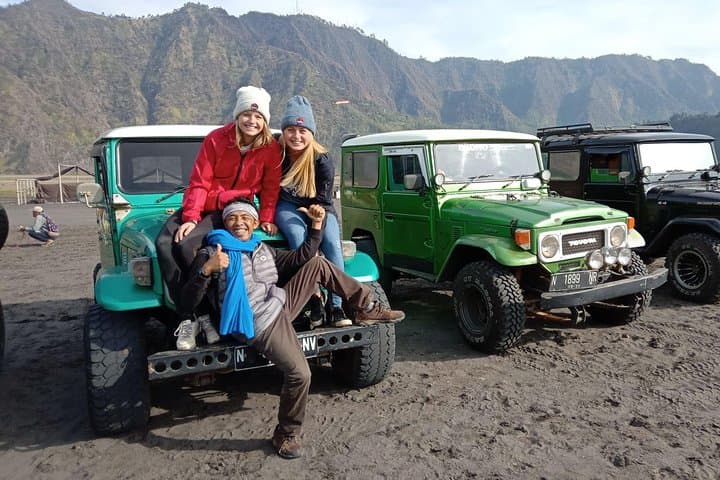
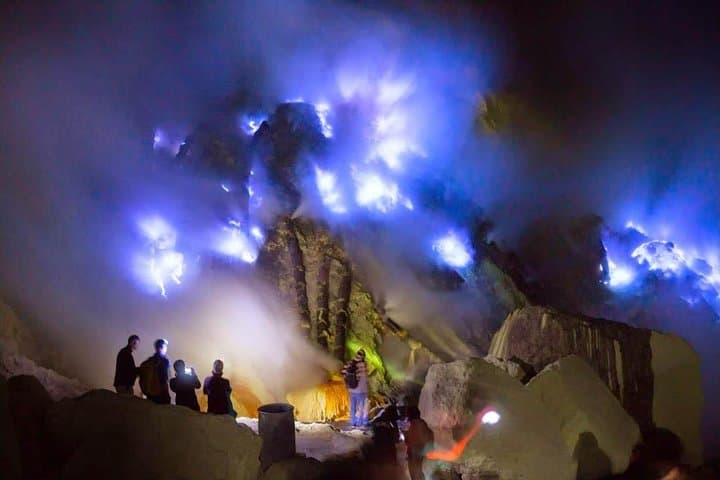
You step from the jeep into a thin, cold dusk; wind carries grit from the Tengger sand sea and a distant sulfur smoke curls like a warning. Hours later, on Ijen’s crater rim, the blue fire flickers—an otherworldly, electric pulse that dares you closer—while miners appear as small, hunched figures hauling fist-sized loads of sulfur down the slope.
Verified experiences and guided adventures in the surrounding area.
Operated by Osing Vacation · Probolinggo, East Java
You step from the jeep into a thin, cold dusk; wind carries grit from the Tengger sand sea and a distant sulfur smoke curls like a warning. Hours later, on Ijen’s crater rim, the blue fire flickers—an otherworldly, electric pulse that dares you closer—while miners appear as small, hunched figures hauling fist-sized loads of sulfur down the slope.
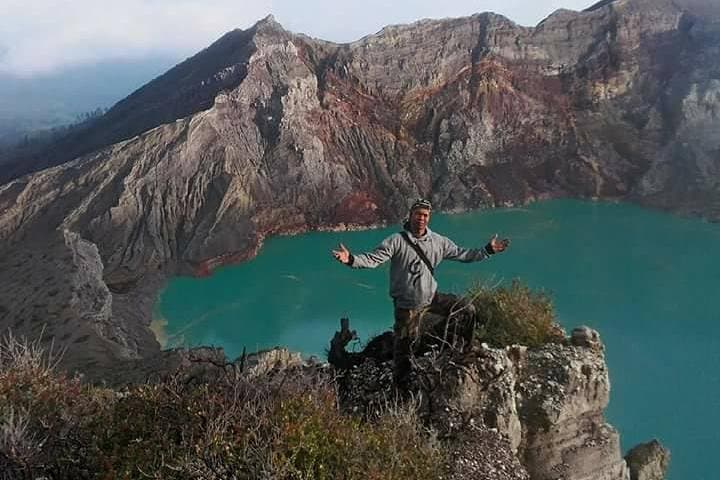
This three-day route threads two of East Java’s most dramatic volcanic landscapes. Ijen (2,443 m) is famous for its acid lake and blue flame caused by burning sulfur gases at high temperatures; the hazardous but striking scene has drawn scientists and travelers alike. Bromo, inside Bromo Tengger Semeru National Park, offers a classic sunrise over a sea of volcanic fog and views toward Semeru, Java’s highest peak. The Tenggerese Hindu community maintains distinct cultural practices around the mountains, including offerings at Kasada.
Expect practical realities: a night climb of roughly 1.5 hours from Paltuding to Ijen’s rim (steep, often muddy) and early-morning jeep rides to Penanjakan for the Bromo sunrise. The Bromo crater requires a short 1 km walk from parking and 250 steps to the rim. Wear layers for 0–10°C at dawn, carry a gas mask or accept one provided near Ijen, and be prepared for dusty jeep transfers and long drives between sites.
Plan for early wake-ups, basic uphill hiking at night, and respect for miners and local customs. Hydrate, use a headlamp with spare batteries, and leave extra memory on your camera: the light changes fast and rewards patience.
moderate.
3 days.
Moderate fitness: able to hike uphill for 1–2 hours at night, tolerate early wake-ups and multi-hour vehicle transfers.
From Paltuding to the crater rim expect about 1.5 hours uphill on a steep, sometimes muddy trail—moderate effort suitable for people used to uphill walking.
Blue fire appears when sulfur gases ignite; visibility depends on wind and gas flow—most guided night climbs increase your chances by timing arrival after midnight.
No—cloud cover and haze can obscure the view; early mornings often offer the best chances, but weather is unpredictable so manage expectations.
Yes, local operators typically provide basic masks at the crater area; bring your own respirator if you need better protection.
Ijen’s sulfur extraction has been a livelihood for local miners for generations; Bromo sits within Tenggerese territory and hosts rituals like Kasada that link people to the volcanoes.
Visitor pressure and sulfur mining stress fragile volcanic soils and crater ecosystems—stick to trails, avoid litter, and support local guides and community-run accommodations.
Osing Vacation operates guided outdoor trips and adventures with an emphasis on safety, stewardship, and memorable experiences.
You step from the jeep into a thin, cold dusk; wind carries grit from the Tengger sand sea and a distant sulfur smoke curls like a warning. Hours later, on Ijen’s crater rim, the blue fire flickers—an otherworldly, electric pulse that dares you closer—while miners appear as small, hunched figures hauling fist-sized loads of sulfur down the slope.
You step from the jeep into a thin, cold dusk; wind carries grit from the Tengger sand sea and a distant sulfur smoke curls like a warning. Hours later, on Ijen’s crater rim, the blue fire flickers—an otherworldly, electric pulse that dares you closer—while miners appear as small, hunched figures hauling fist-sized loads of sulfur down the slope.
This three-day route threads two of East Java’s most dramatic volcanic landscapes. Ijen (2,443 m) is famous for its acid lake and blue flame caused by burning sulfur gases at high temperatures; the hazardous but striking scene has drawn scientists and travelers alike. Bromo, inside Bromo Tengger Semeru National Park, offers a classic sunrise over a sea of volcanic fog and views toward Semeru, Java’s highest peak. The Tenggerese Hindu community maintains distinct cultural practices around the mountains, including offerings at Kasada.
Expect practical realities: a night climb of roughly 1.5 hours from Paltuding to Ijen’s rim (steep, often muddy) and early-morning jeep rides to Penanjakan for the Bromo sunrise. The Bromo crater requires a short 1 km walk from parking and 250 steps to the rim. Wear layers for 0–10°C at dawn, carry a gas mask or accept one provided near Ijen, and be prepared for dusty jeep transfers and long drives between sites.
Plan for early wake-ups, basic uphill hiking at night, and respect for miners and local customs. Hydrate, use a headlamp with spare batteries, and leave extra memory on your camera: the light changes fast and rewards patience.