THE ADVENTURE COLLECTIVE® · Independent discovery and booking for outdoor travel

A compact 3-day circuit linking Mt. Bromo’s famous sunrise viewpoint with Ijen’s blue fire crater. Expect pre-dawn starts, jeep transfers across a black sand sea, and a steep night trek to a sulfur-lit volcanic lake.
A compact 3-day circuit linking Mt. Bromo’s famous sunrise viewpoint with Ijen’s blue fire crater. Expect pre-dawn starts, jeep transfers across a black sand sea, and a steep night trek to a sulfur-lit volcanic lake.
Before the sun breaks the horizon you’re already moving: a convoy of jeeps and headlamps threading up the black sand, the air thin and cold at Pananjakan (2,770 m). Mount Semeru stares back across the Tengger caldera, an active silhouette that makes the sunrise feel earned rather than given. The sea of sand dares you across its flat, lunar plain; the small, steady climb to Bromo’s rim returns a raw, sulfur-scented view that few landscapes match.
Verified experiences and guided adventures in the surrounding area.
Operated by Bromo Taxi · Cemoro Lawang, East Java
Before the sun breaks the horizon you’re already moving: a convoy of jeeps and headlamps threading up the black sand, the air thin and cold at Pananjakan (2,770 m). Mount Semeru stares back across the Tengger caldera, an active silhouette that makes the sunrise feel earned rather than given. The sea of sand dares you across its flat, lunar plain; the small, steady climb to Bromo’s rim returns a raw, sulfur-scented view that few landscapes match.
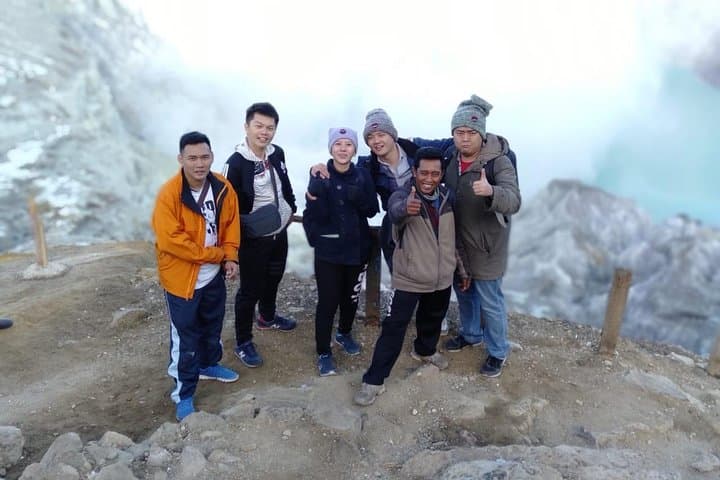
This itinerary stitches two volcanic chapters of East Java into a single narrative. Bromo sits inside a vast caldera shaped by explosive eruptions and the slow uplift of Tengger land; its surrounding communities are largely Tenggerese Hindus who mark the year with the Yadnya Kasada ceremony. Ijen, farther east, is a stratovolcano whose turquoise acid lake hosts the rare blue fire phenomenon — sulfuric gases that ignite as they vent and condense in the night, creating an otherworldly glow.
Practical edge: the Bromo sunrise viewpoint requires a predawn jeep and a short hike; Pananjakan is exposed and cold. Ijen’s trek is ~3 km one way from Pos Paltuding and takes roughly 1.5–2 hours on a steep, often slippery trail; the blue fire is best seen in low-light conditions between 01:00–04:00. Expect temperatures near freezing at high elevation, acidic fumes near Ijen’s crater (gas masks recommended), and uneven terrain across volcanic sand. Bring warm layers, a headlamp, sturdy boots, and a willingness to start the day in the dark — the payoff is raw light, ash-streaked ridgelines, and a sulfur-lit crater that lingers in memory.
moderate.
3 days.
Moderate fitness; able to hike 2–3 hours at a steady pace and tolerate early-morning starts and short steep sections.
From Pos Paltuding it’s about 3 km and typically takes 1.5–2 hours each way depending on pace and trail conditions.
Cemoro Lawang is reachable by road but most travelers use jeeps to reach Pananjakan before dawn due to steep, rough secondary roads and time constraints.
This operator notes it’s not recommended for pregnant travelers or those with serious heart conditions; children may join but should be supervised during night treks and near the crater rim.
Blue fire depends on gas emissions and clear, low-light conditions; sightings are common but not guaranteed — weather and volcanic activity affect visibility.
The Tenggerese people inhabit the Bromo caldera and practice Hindu rituals such as Yadnya Kasada, offering produce and livestock to the volcano as part of their ancestral rites.
Both sites are ecologically sensitive: stay on marked paths, avoid lingering at the crater rim, and pack out all waste; sulfur collection at Ijen is hazardous and regulated.
Bromo Taxi operates guided outdoor trips and adventures with an emphasis on safety, stewardship, and memorable experiences.
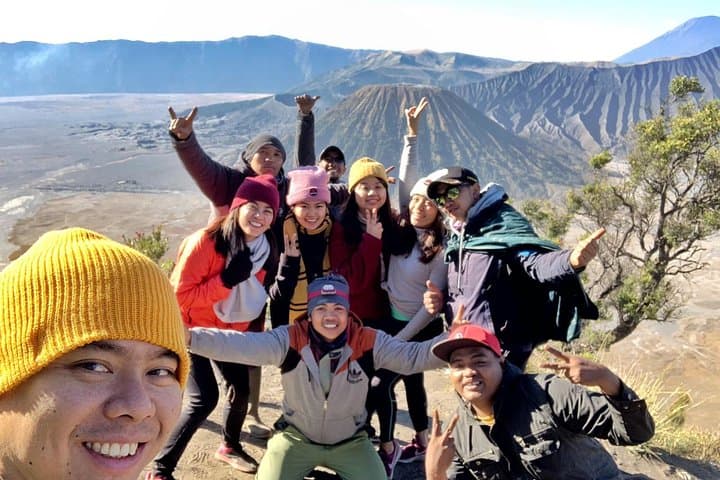
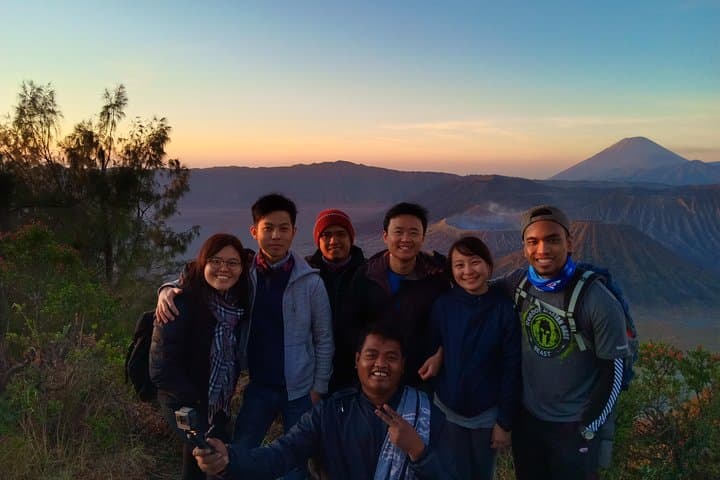
Before the sun breaks the horizon you’re already moving: a convoy of jeeps and headlamps threading up the black sand, the air thin and cold at Pananjakan (2,770 m). Mount Semeru stares back across the Tengger caldera, an active silhouette that makes the sunrise feel earned rather than given. The sea of sand dares you across its flat, lunar plain; the small, steady climb to Bromo’s rim returns a raw, sulfur-scented view that few landscapes match.
Before the sun breaks the horizon you’re already moving: a convoy of jeeps and headlamps threading up the black sand, the air thin and cold at Pananjakan (2,770 m). Mount Semeru stares back across the Tengger caldera, an active silhouette that makes the sunrise feel earned rather than given. The sea of sand dares you across its flat, lunar plain; the small, steady climb to Bromo’s rim returns a raw, sulfur-scented view that few landscapes match.
This itinerary stitches two volcanic chapters of East Java into a single narrative. Bromo sits inside a vast caldera shaped by explosive eruptions and the slow uplift of Tengger land; its surrounding communities are largely Tenggerese Hindus who mark the year with the Yadnya Kasada ceremony. Ijen, farther east, is a stratovolcano whose turquoise acid lake hosts the rare blue fire phenomenon — sulfuric gases that ignite as they vent and condense in the night, creating an otherworldly glow.
Practical edge: the Bromo sunrise viewpoint requires a predawn jeep and a short hike; Pananjakan is exposed and cold. Ijen’s trek is ~3 km one way from Pos Paltuding and takes roughly 1.5–2 hours on a steep, often slippery trail; the blue fire is best seen in low-light conditions between 01:00–04:00. Expect temperatures near freezing at high elevation, acidic fumes near Ijen’s crater (gas masks recommended), and uneven terrain across volcanic sand. Bring warm layers, a headlamp, sturdy boots, and a willingness to start the day in the dark — the payoff is raw light, ash-streaked ridgelines, and a sulfur-lit crater that lingers in memory.