THE ADVENTURE COLLECTIVE® · Independent discovery and booking for outdoor travel

Camp on Kingkong Hill, watch sunrise over Mount Bromo and Semeru, then finish with a dramatic visit to Madakaripura Waterfall. This three-day itinerary mixes jeep transfers, short hikes across volcanic sand, and a night under the stars.
Camp on Kingkong Hill, watch sunrise over Mount Bromo and Semeru, then finish with a dramatic visit to Madakaripura Waterfall. This three-day itinerary mixes jeep transfers, short hikes across volcanic sand, and a night under the stars.
A cold wind pushes across the sea of sand as the first thin light catches the rim of Mount Bromo and the silhouette of Semeru looms beyond. Campfires sputter at Kingkong Hill; tents huddle against the night. By 04:30 the horizon ignites and the caldera fills with shifting mist—an elemental wake-up call that defines this three-day route.
Verified experiences and guided adventures in the surrounding area.
Operated by Bromo Taxi · Cemoro Lawang, East Java
A cold wind pushes across the sea of sand as the first thin light catches the rim of Mount Bromo and the silhouette of Semeru looms beyond. Campfires sputter at Kingkong Hill; tents huddle against the night. By 04:30 the horizon ignites and the caldera fills with shifting mist—an elemental wake-up call that defines this three-day route.
Geology here is hard and recent: Bromo sits in a vast Tengger Caldera sculpted by ancient collapse and renewed by frequent eruptions. The Tengger people, the area's traditional custodians, still hold rituals on the caldera floor and the landscape bears both volcanic rock and pockets of windblown sand that make each step variable and tactile.
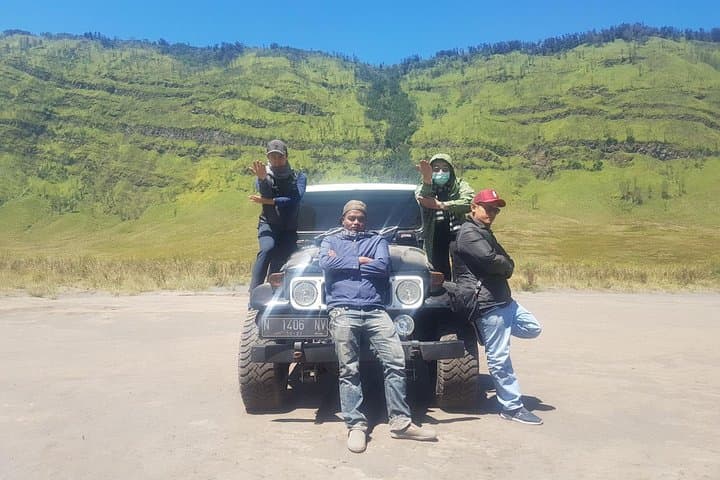
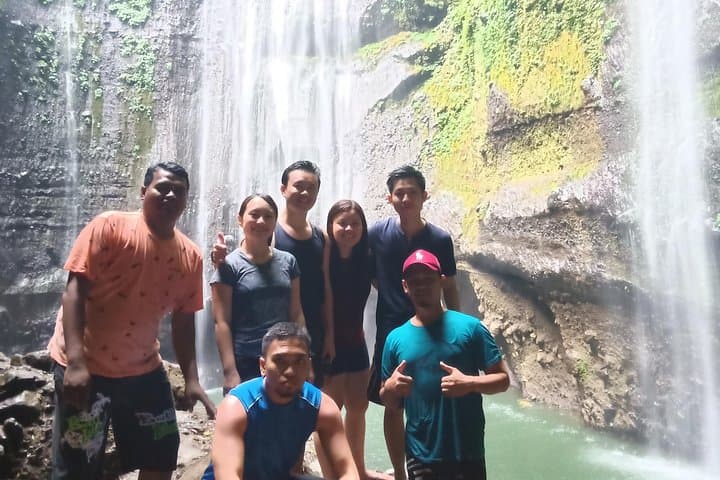
Days alternate between mechanized transit and footwork: a 4WD jeep transports campers across the sea of sand, but visitors must walk to Bromo’s crater rim and traverse the undulating savana and Teletubbies hills. On day three a short drive and a local motorbike transfer deliver you to Madakaripura Waterfall, where a narrow gorge funnels water in a curtain that invites a chilly, close-up approach.
Practical edge: nights are sharply cold—bring insulating layers and a warm sleeping system. Footing on sand and volcanic ash is loose; gaiters and sturdy boots help. Expect frequent transfers, a local guide at the waterfall, basic tent camping on Kingkong Hill, and hotel stays in Cemoro Lawang. Time your visit for clear mornings to maximize sunrise views, and leave no trace—this caldera is both fragile and alive.
moderate.
3 days (2 nights).
Moderate fitness—able to walk on loose sand, climb crater steps, and tolerate early-morning activity.
Temperatures near the caldera often fall close to freezing at night and before sunrise—bring insulated layers and a warm sleeping bag.
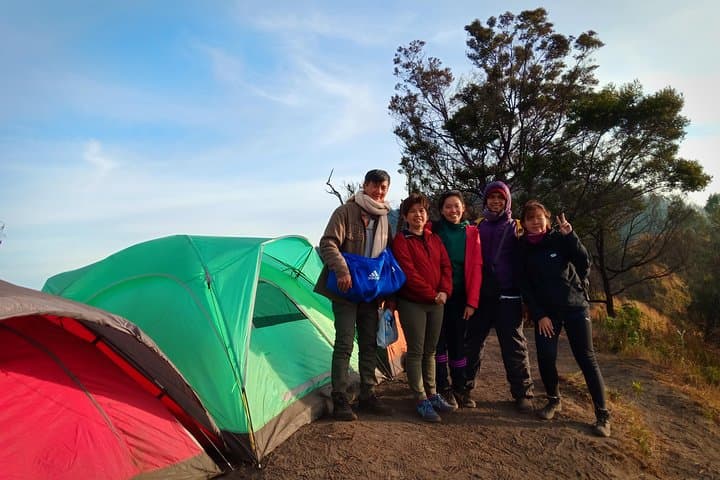
Camping itself is basic: tents are provided and set up at Kingkong Hill; the physical demand comes from early wake-ups and short hikes on loose volcanic sand.
Yes—travelers with moderate fitness and no serious health issues can participate; the itinerary requires mobility on uneven ground and early starts.
Parking is at a lower lot; many visitors switch to a local motorbike or short guided walk to reach the waterfall due to narrow access trails.
The Tenggerese people trace their ancestry to Majapahit-era settlers and maintain Hindu rituals tied to Mount Bromo; the caldera’s modern shape results from massive volcanic collapse followed by renewed cone-building.
The caldera ecosystem is fragile—stay on designated routes, avoid collecting volcanic rock, and pack out all waste; water at Madakaripura is locally sourced, so minimize soap and pollutants.
Bromo Taxi operates guided outdoor trips and adventures with an emphasis on safety, stewardship, and memorable experiences.
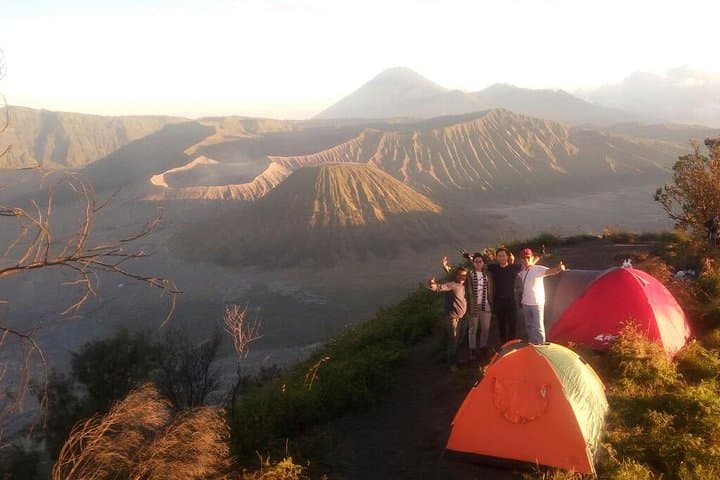
A cold wind pushes across the sea of sand as the first thin light catches the rim of Mount Bromo and the silhouette of Semeru looms beyond. Campfires sputter at Kingkong Hill; tents huddle against the night. By 04:30 the horizon ignites and the caldera fills with shifting mist—an elemental wake-up call that defines this three-day route.
A cold wind pushes across the sea of sand as the first thin light catches the rim of Mount Bromo and the silhouette of Semeru looms beyond. Campfires sputter at Kingkong Hill; tents huddle against the night. By 04:30 the horizon ignites and the caldera fills with shifting mist—an elemental wake-up call that defines this three-day route.
Geology here is hard and recent: Bromo sits in a vast Tengger Caldera sculpted by ancient collapse and renewed by frequent eruptions. The Tengger people, the area's traditional custodians, still hold rituals on the caldera floor and the landscape bears both volcanic rock and pockets of windblown sand that make each step variable and tactile.
Days alternate between mechanized transit and footwork: a 4WD jeep transports campers across the sea of sand, but visitors must walk to Bromo’s crater rim and traverse the undulating savana and Teletubbies hills. On day three a short drive and a local motorbike transfer deliver you to Madakaripura Waterfall, where a narrow gorge funnels water in a curtain that invites a chilly, close-up approach.
Practical edge: nights are sharply cold—bring insulating layers and a warm sleeping system. Footing on sand and volcanic ash is loose; gaiters and sturdy boots help. Expect frequent transfers, a local guide at the waterfall, basic tent camping on Kingkong Hill, and hotel stays in Cemoro Lawang. Time your visit for clear mornings to maximize sunrise views, and leave no trace—this caldera is both fragile and alive.