THE ADVENTURE COLLECTIVE® · Independent discovery and booking for outdoor travel

Walk the rare dry forest near Quito to see bromeliads, hummingbirds, and a sustainable bromeliad plantation. This private, 6-hour tour combines guided ecology, a village lunch in Guayllabamba, and time in a specialized botanical garden.
Walk the rare dry forest near Quito to see bromeliads, hummingbirds, and a sustainable bromeliad plantation. This private, 6-hour tour combines guided ecology, a village lunch in Guayllabamba, and time in a specialized botanical garden.
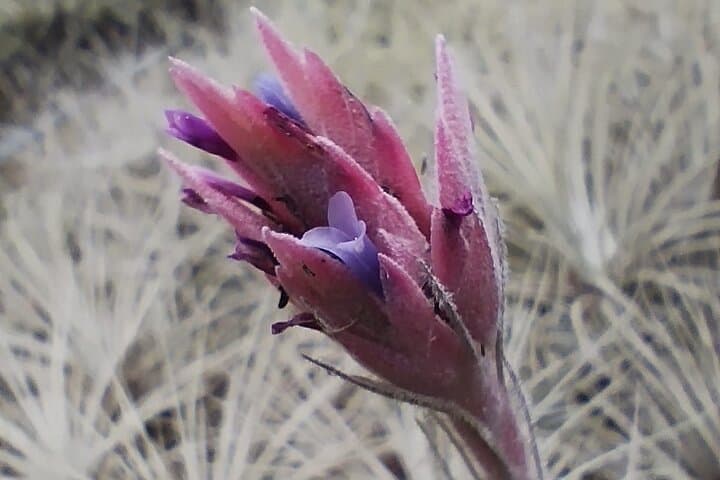
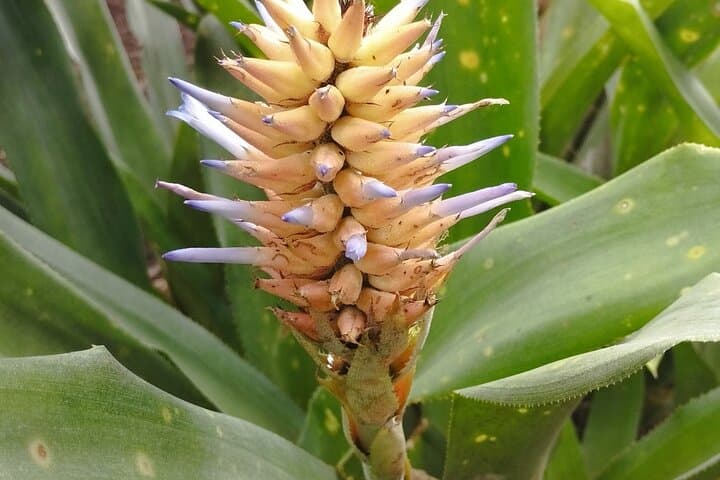
A cool mountain wind pushes through thin pines as you step onto a narrow dirt track at 2,400 meters. Small rosettes of bromeliads crown tree branches and rocky outcrops; hummingbirds dart like punctuation marks between flowers. The guide leads, pausing to point out a species adapted to dry Andean air, and the forest answers with birdcalls and the scrape of lichen underfoot.
Verified experiences and guided adventures in the surrounding area.
Operated by Renasci · Quito, Pichincha
A cool mountain wind pushes through thin pines as you step onto a narrow dirt track at 2,400 meters. Small rosettes of bromeliads crown tree branches and rocky outcrops; hummingbirds dart like punctuation marks between flowers. The guide leads, pausing to point out a species adapted to dry Andean air, and the forest answers with birdcalls and the scrape of lichen underfoot.
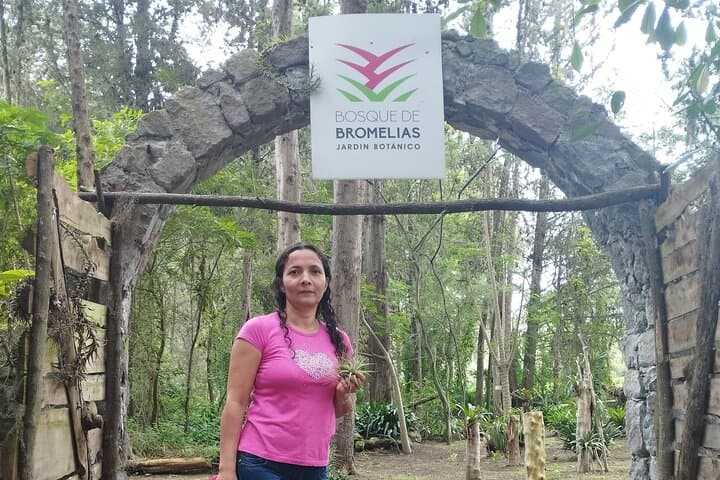
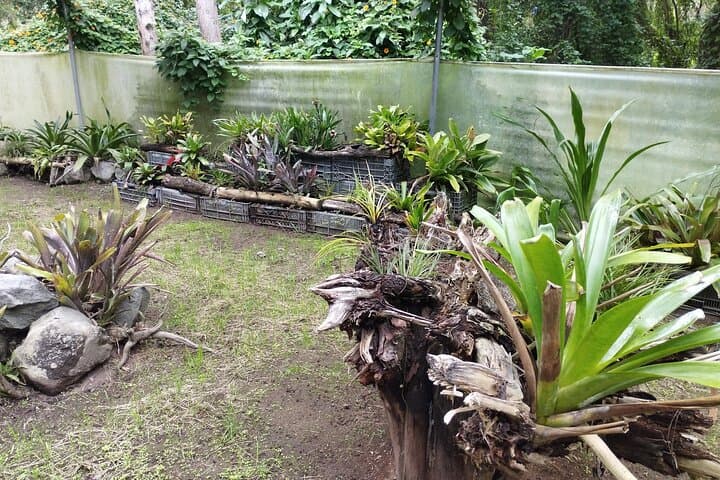
This walk moves through the Jerusalem Protective Forest—the only protected dry forest in the Northern Andes—into a dedicated Bromeliad Botanical Garden and a sustainable plantation. The landscape here is defined by volcanic soils and a rain-shadow microclimate, which produces unusually dry forests at high elevation. Culture and cuisine appear nearby in Guayllabamba: a farming valley where vendors sell fruit and a hearty locro lunch grounds the day in local flavors.
Expect roughly two hours of guided forest trails (lightly uneven dirt paths with roots; plan for ~3 km with modest elevation changes) plus garden time and a village stop, all within a 6-hour private tour. The pace is interpretive—focused on plants and ecosystem stories—so bring a camera, binoculars, and layered clothing for shifting sun and wind.
Practical notes: moderate fitness is recommended and acclimatization helps at 2,400 m. Wear sturdy shoes, carry 1–2 liters of water, and pack rain protection during the wet season. Guides provide interpretation, park admission, and lunch; the visit supports local conservation through education and sustainable cultivation.
moderate.
6 hours.
Suitable for travelers with moderate fitness—short uphill sections and uneven terrain; not strenuous but requires steady footing.
Yes—admission to the Bromeliad Botanical Garden and Jerusalem Protective Forest is included, as well as a local lunch in Guayllabamba.
Families can join, but participants should have moderate fitness and be comfortable walking on uneven trails; senior travelers should assess mobility and altitude tolerance.
The tour reaches about 2,400 m; most visitors are fine, but drink water, move slowly if needed, and consult a doctor if you have history of severe altitude illness.
Private transportation is included; you’ll provide a pickup point in Quito during booking and the operator will confirm logistics.
The Jerusalem Protective Forest is designated to protect a rare dry-forest ecosystem unique to the northern Andes and to preserve native plant species like bromeliads and orchids.
The area faces pressure from agricultural expansion and climate shifts; the garden’s sustainable plantation and guided education help fund habitat protection and local livelihoods.
Renasci operates guided outdoor trips and adventures with an emphasis on safety, stewardship, and memorable experiences.
A cool mountain wind pushes through thin pines as you step onto a narrow dirt track at 2,400 meters. Small rosettes of bromeliads crown tree branches and rocky outcrops; hummingbirds dart like punctuation marks between flowers. The guide leads, pausing to point out a species adapted to dry Andean air, and the forest answers with birdcalls and the scrape of lichen underfoot.
A cool mountain wind pushes through thin pines as you step onto a narrow dirt track at 2,400 meters. Small rosettes of bromeliads crown tree branches and rocky outcrops; hummingbirds dart like punctuation marks between flowers. The guide leads, pausing to point out a species adapted to dry Andean air, and the forest answers with birdcalls and the scrape of lichen underfoot.
This walk moves through the Jerusalem Protective Forest—the only protected dry forest in the Northern Andes—into a dedicated Bromeliad Botanical Garden and a sustainable plantation. The landscape here is defined by volcanic soils and a rain-shadow microclimate, which produces unusually dry forests at high elevation. Culture and cuisine appear nearby in Guayllabamba: a farming valley where vendors sell fruit and a hearty locro lunch grounds the day in local flavors.
Expect roughly two hours of guided forest trails (lightly uneven dirt paths with roots; plan for ~3 km with modest elevation changes) plus garden time and a village stop, all within a 6-hour private tour. The pace is interpretive—focused on plants and ecosystem stories—so bring a camera, binoculars, and layered clothing for shifting sun and wind.
Practical notes: moderate fitness is recommended and acclimatization helps at 2,400 m. Wear sturdy shoes, carry 1–2 liters of water, and pack rain protection during the wet season. Guides provide interpretation, park admission, and lunch; the visit supports local conservation through education and sustainable cultivation.