THE ADVENTURE COLLECTIVE® · Independent discovery and booking for outdoor travel

Explore Brno’s skyline, market life and fortress in a private two-hour walking tour that connects Gothic arches, Špilberk’s ramparts and the lively Zelný trh. Ideal for first-time visitors who want history, architecture and local flavor in one compact route.
Explore Brno’s skyline, market life and fortress in a private two-hour walking tour that connects Gothic arches, Špilberk’s ramparts and the lively Zelný trh. Ideal for first-time visitors who want history, architecture and local flavor in one compact route.
You step out onto cobblestones warmed by the morning sun, the silhouette of the Cathedral of St. Peter and Paul cutting a sharp line against the sky. The city breathes around you: tram bells, market vendors unpacking produce at Zelný trh, and the distant rumble from Špilberk hill as the fortress watches over Brno.
Verified experiences and guided adventures in the surrounding area.
Operated by Opatrip.com Czech · Brno, South Moravian Region
You step out onto cobblestones warmed by the morning sun, the silhouette of the Cathedral of St. Peter and Paul cutting a sharp line against the sky. The city breathes around you: tram bells, market vendors unpacking produce at Zelný trh, and the distant rumble from Špilberk hill as the fortress watches over Brno.
Brno grew as a medieval crossroads and later as the administrative heart of Moravia; its stonework and street plan reflect defensive needs, Habsburg-era baroque investments, and 20th‑century modernism like Villa Tugendhat. Geologically, the city sits at the edge of the Bohemian Massif where limestone outcrops created natural high points—places that became castle sites and viewpoints.
A private walking tour threads these elements together: Gothic vaults at the cathedral, the castle’s stoic ramparts and gardens (exterior visit), the open-air bustle of the vegetable market, and the surviving Měnín Gate, a rare remnant of the city’s walls. Guides add texture—local tales, architectural details, and the market’s seasonal rhythms—so the city reads like a living archive.
Practical guidance: the route is compact and flat but uses uneven historic pavement—comfortable shoes matter. Two hours is enough for highlights but not for museum interiors; reserve extra time if you want admission. Bring a small bottle of water, a light layer for hilltop breezes, and plan to arrive early or late afternoon to avoid peak crowds. Public transport links are excellent; the tour is suitable for most fitness levels and works well as the first introduction to Brno.
easy.
2 hours.
Suitable for most fitness levels; requires walking on uneven pavement for up to two hours.
Meeting location is typically central and confirmed at booking; the two-hour route loops through the historic center and often ends near Zelný trh or the cathedral.
This tour focuses on exterior visits and public spaces; museum or tower admissions are usually not included—book extra time if you want to go inside.
Yes—it's rated easy and appropriate for most ages, though uneven ground and some short inclines may require a moderate pace.
Private tours commonly offer English and Czech; confirm other language options at booking as availability varies.
Brno developed as a fortified medieval town and later became the administrative center of Moravia; Špilberk served as a royal castle, fortress and prison through the Habsburg era.
Support local vendors at Zelný trh and avoid single-use plastics; staying on established walkways protects fragile historic paving and urban green spots.
Opatrip.com Czech operates guided outdoor trips and adventures with an emphasis on safety, stewardship, and memorable experiences.
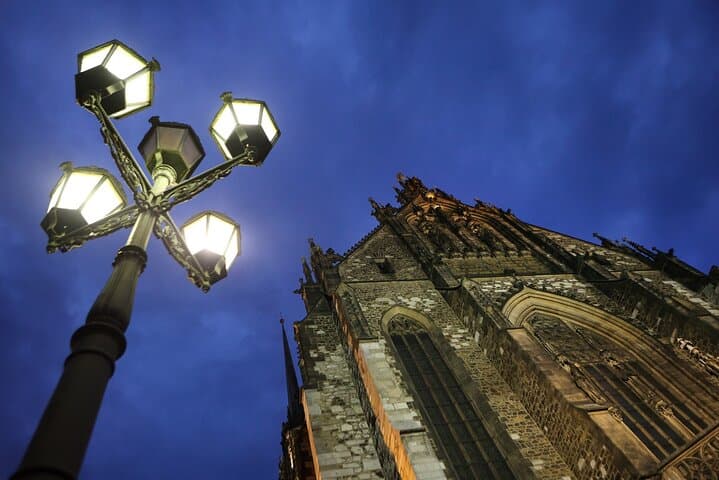

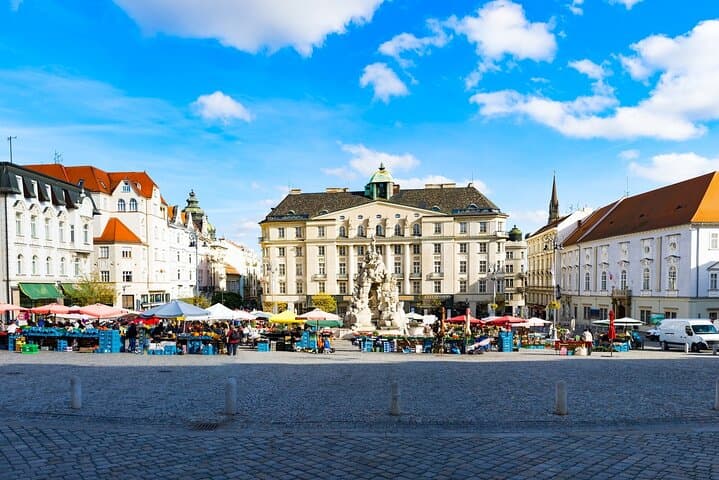
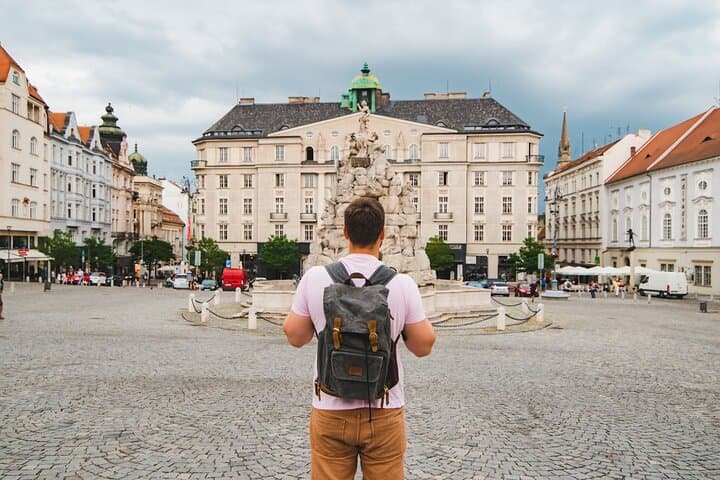
You step out onto cobblestones warmed by the morning sun, the silhouette of the Cathedral of St. Peter and Paul cutting a sharp line against the sky. The city breathes around you: tram bells, market vendors unpacking produce at Zelný trh, and the distant rumble from Špilberk hill as the fortress watches over Brno.
You step out onto cobblestones warmed by the morning sun, the silhouette of the Cathedral of St. Peter and Paul cutting a sharp line against the sky. The city breathes around you: tram bells, market vendors unpacking produce at Zelný trh, and the distant rumble from Špilberk hill as the fortress watches over Brno.
Brno grew as a medieval crossroads and later as the administrative heart of Moravia; its stonework and street plan reflect defensive needs, Habsburg-era baroque investments, and 20th‑century modernism like Villa Tugendhat. Geologically, the city sits at the edge of the Bohemian Massif where limestone outcrops created natural high points—places that became castle sites and viewpoints.
A private walking tour threads these elements together: Gothic vaults at the cathedral, the castle’s stoic ramparts and gardens (exterior visit), the open-air bustle of the vegetable market, and the surviving Měnín Gate, a rare remnant of the city’s walls. Guides add texture—local tales, architectural details, and the market’s seasonal rhythms—so the city reads like a living archive.
Practical guidance: the route is compact and flat but uses uneven historic pavement—comfortable shoes matter. Two hours is enough for highlights but not for museum interiors; reserve extra time if you want admission. Bring a small bottle of water, a light layer for hilltop breezes, and plan to arrive early or late afternoon to avoid peak crowds. Public transport links are excellent; the tour is suitable for most fitness levels and works well as the first introduction to Brno.