THE ADVENTURE COLLECTIVE® · Independent discovery and booking for outdoor travel

A focused two-hour walking tour through Brixton’s markets, murals and music history. Learn about migration, community politics and cultural hubs while sampling local flavors and street art.
A focused two-hour walking tour through Brixton’s markets, murals and music history. Learn about migration, community politics and cultural hubs while sampling local flavors and street art.
Step off the Tube and into a neighborhood that moves to its own rhythm: the scent of jerk spices and fresh pastries mingles with the pulse of basslines drifting from a nearby venue. This two-hour walking tour threads through Brixton’s open-air markets, muraled façades and the concentrated energy of Electric Avenue—places that still argue for the neighbourhood’s place in London’s cultural map.
Verified experiences and guided adventures in the surrounding area.
Operated by The Great Weekender Experiences · London, Greater London
Step off the Tube and into a neighborhood that moves to its own rhythm: the scent of jerk spices and fresh pastries mingles with the pulse of basslines drifting from a nearby venue. This two-hour walking tour threads through Brixton’s open-air markets, muraled façades and the concentrated energy of Electric Avenue—places that still argue for the neighbourhood’s place in London’s cultural map.
Brixton’s story is visible in brick and bronze: a Victorian suburb reshaped by twentieth-century migration, the arrival of Afro-Caribbean communities after World War II, and the political reckoning of the 1980s that changed London’s civic conversation. Geology here is urban — streets laid over marshy clay and railway cuttings — but culture has left deeper strata: markets that function as living archives, music venues like Brixton Academy that launched careers, and the Black Cultural Archive preserving first-hand histories.
Expect walking on paved streets and market alleys with frequent stopping points for stories and photos. Guides point out murals, market stalls, and social landmarks while explaining the connections between food, migration and music. The pace is steady rather than strenuous; gaps between attractions offer time to taste a snack or browse independent traders.
Practical tips: bring a contactless card or Oyster for transit, wear comfortable shoes for uneven pavements, and carry a small rain layer—London weather changes quickly. Best times are morning weekdays for lighter crowds or early evening for market buzz. Respect local businesses, ask before photographing people, and allow time after the tour to explore Brixton Village and Windrush Square on your own.
moderate.
2 hours.
Suitable for people with a moderate level of fitness able to stand and walk for two hours; short pauses widely available.
Meeting and end points are typically near Brixton Underground station or a central square—confirm exact meeting place on your booking confirmation.
Brixton has accessible routes in many areas but some market alleys and streets can be narrow and crowded; contact the operator in advance for specific accessibility needs.
Guides usually point out market foods and may pause near vendors to sample items, but food purchases are at your own expense.
This tour is conducted in English; private or specialized language tours may be available on request—check with the operator.
Once a Victorian suburb, Brixton became a centre for Afro-Caribbean migration after WWII; the area’s modern identity was shaped by cultural exchange and the political events of the 1980s.
Support local vendors and avoid single-use plastics; the markets are sustained by community businesses, so respecting stalls and public spaces helps protect Brixton’s cultural economy.
The Great Weekender Experiences operates guided outdoor trips and adventures with an emphasis on safety, stewardship, and memorable experiences.
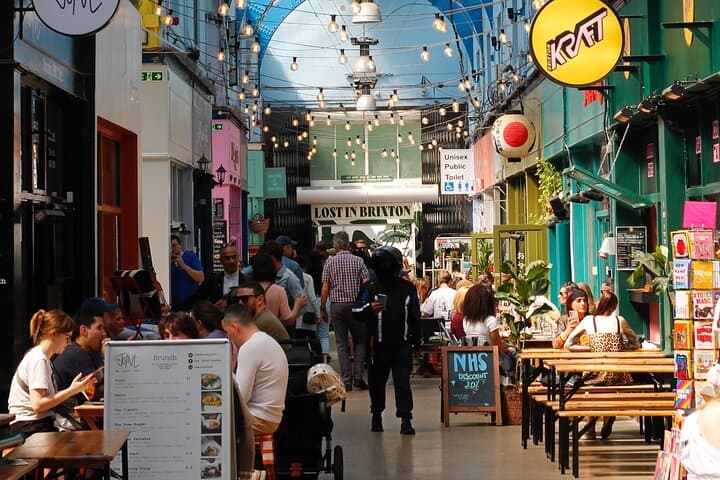
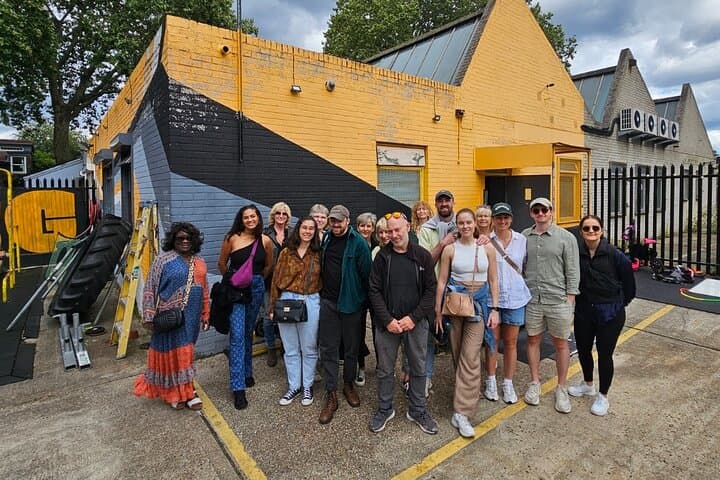
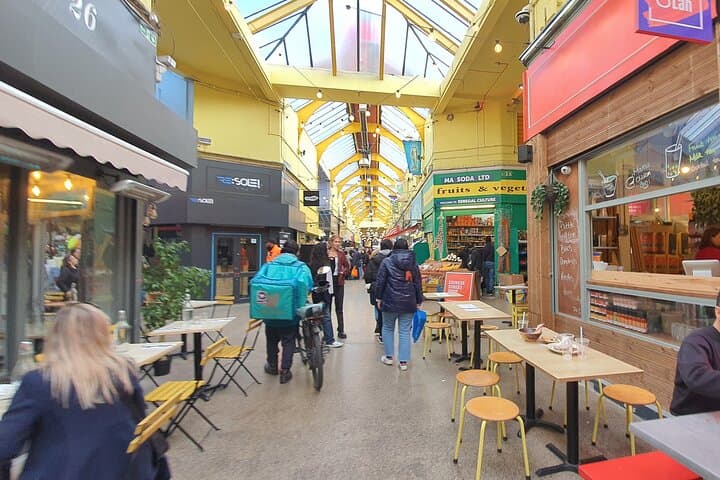
Step off the Tube and into a neighborhood that moves to its own rhythm: the scent of jerk spices and fresh pastries mingles with the pulse of basslines drifting from a nearby venue. This two-hour walking tour threads through Brixton’s open-air markets, muraled façades and the concentrated energy of Electric Avenue—places that still argue for the neighbourhood’s place in London’s cultural map.
Step off the Tube and into a neighborhood that moves to its own rhythm: the scent of jerk spices and fresh pastries mingles with the pulse of basslines drifting from a nearby venue. This two-hour walking tour threads through Brixton’s open-air markets, muraled façades and the concentrated energy of Electric Avenue—places that still argue for the neighbourhood’s place in London’s cultural map.
Brixton’s story is visible in brick and bronze: a Victorian suburb reshaped by twentieth-century migration, the arrival of Afro-Caribbean communities after World War II, and the political reckoning of the 1980s that changed London’s civic conversation. Geology here is urban — streets laid over marshy clay and railway cuttings — but culture has left deeper strata: markets that function as living archives, music venues like Brixton Academy that launched careers, and the Black Cultural Archive preserving first-hand histories.
Expect walking on paved streets and market alleys with frequent stopping points for stories and photos. Guides point out murals, market stalls, and social landmarks while explaining the connections between food, migration and music. The pace is steady rather than strenuous; gaps between attractions offer time to taste a snack or browse independent traders.
Practical tips: bring a contactless card or Oyster for transit, wear comfortable shoes for uneven pavements, and carry a small rain layer—London weather changes quickly. Best times are morning weekdays for lighter crowds or early evening for market buzz. Respect local businesses, ask before photographing people, and allow time after the tour to explore Brixton Village and Windrush Square on your own.