THE ADVENTURE COLLECTIVE® · Independent discovery and booking for outdoor travel

Step into a working coffee estate and trace a bean’s journey from seedling to cup. The Britt Coffee Tour from San José blends hands-on roasting, sensory cupping and plantation walks into a compact two-hour introduction to Costa Rican coffee culture.
Step into a working coffee estate and trace a bean’s journey from seedling to cup. The Britt Coffee Tour from San José blends hands-on roasting, sensory cupping and plantation walks into a compact two-hour introduction to Costa Rican coffee culture.
You arrive through a ribbon of manicured gardens where leaves still hold beads of morning mist and the air presses the scent of green coffee toward you. Hummingbirds flit like punctuation and the plantation slope underfoot seems to lean into the work of the day; this is where bean meets people — and where stories of Costa Rica’s coffee economy are written leaf by leaf.
Verified experiences and guided adventures in the surrounding area.
Operated by Destination Services Costa Rica · Heredia, Heredia
You arrive through a ribbon of manicured gardens where leaves still hold beads of morning mist and the air presses the scent of green coffee toward you. Hummingbirds flit like punctuation and the plantation slope underfoot seems to lean into the work of the day; this is where bean meets people — and where stories of Costa Rica’s coffee economy are written leaf by leaf.
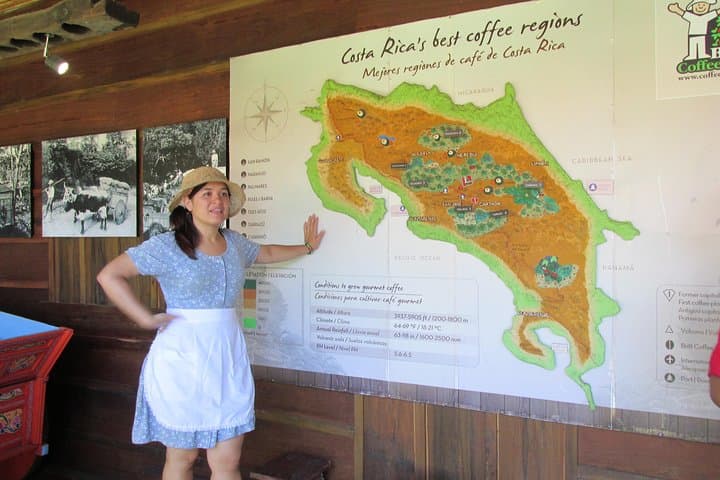
Coffee in Costa Rica shaped towns and trade routes from the 19th century onward; Britt, opening its doors to visitors in the late 20th century, packages that long arc into a two-hour, hands-on introduction. Geologically the Central Valley’s volcanic soils lend minerals and drainage that favor Arabica varieties; culturally, coffee is both livelihood and ritual, threaded into festivals, kitchens and family remittances.
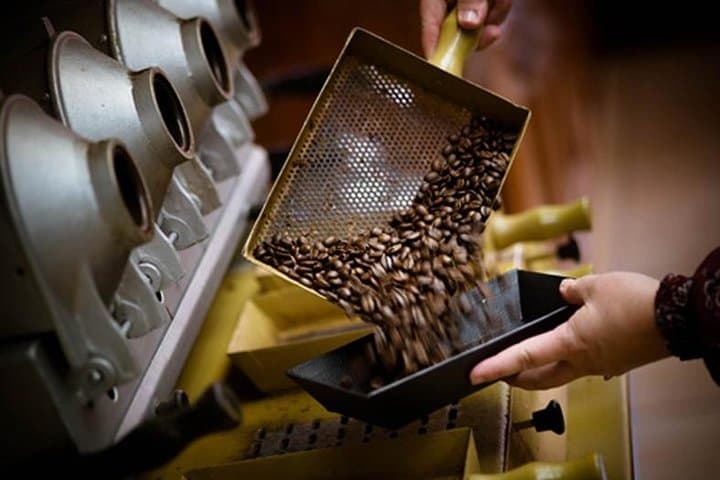
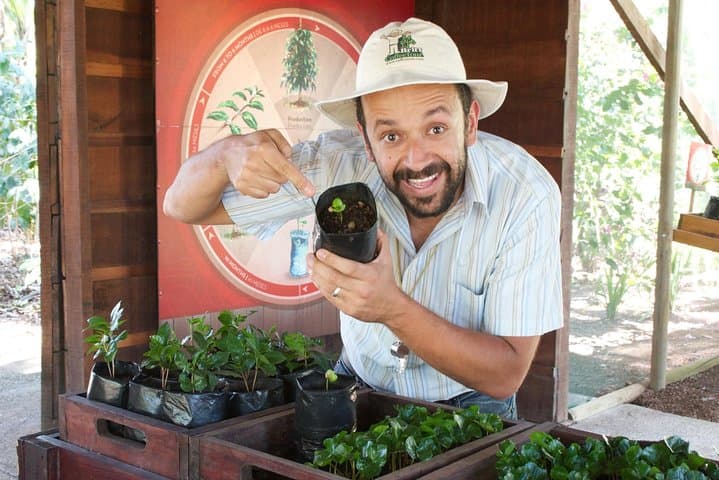
The tour moves from nursery beds to shaded rows, then into the roasting room where guides demonstrate heat, airflow and timing; you’ll roast a sample, watch color changes and finish seated for a guided cupping. The tasting sharpens sensory language — acidity, body, finish — and is paired with chocolate to reveal contrasts.
Practically: the walk is gentle but includes uneven plantation tracks and brief steps. Expect a mix of covered amphitheater time and open-air movement. Morning visits avoid the hottest sun and maximize bird activity; wear closed-toe shoes, bring insect repellent and a light rain layer during the wet months. The tour includes hotel transport from San José, tasting, lunch and a guided experience suitable for most travelers. For anyone curious about origin-to-cup craft, Britt provides a compact, sensory-rich primer on Costa Rican coffee.
easy.
2 hours.
Light to moderate — able to stand and walk on uneven ground for up to two hours
Yes — hotel pickup and drop-off from San José hotels is included in the tour price.
The experience runs about two hours and includes a tasting session plus lunch as listed in the tour inclusions.
Children can join but the tour involves standing and walking; infant seats are available for transport but check minimum participant rules.
The amphitheater and roaster exhibit are accessible, but plantation paths may be uneven — contact the operator in advance for specific assistance.
Coffee transformed Costa Rica’s Central Valley economy in the 19th and 20th centuries; Britt began offering public tours in the late 20th century to connect consumers with origin stories.
Britt emphasizes sustainable plantation practices, shade-grown plots and community-focused water and land stewardship to reduce environmental impact.
Destination Services Costa Rica operates guided outdoor trips and adventures with an emphasis on safety, stewardship, and memorable experiences.

You arrive through a ribbon of manicured gardens where leaves still hold beads of morning mist and the air presses the scent of green coffee toward you. Hummingbirds flit like punctuation and the plantation slope underfoot seems to lean into the work of the day; this is where bean meets people — and where stories of Costa Rica’s coffee economy are written leaf by leaf.
You arrive through a ribbon of manicured gardens where leaves still hold beads of morning mist and the air presses the scent of green coffee toward you. Hummingbirds flit like punctuation and the plantation slope underfoot seems to lean into the work of the day; this is where bean meets people — and where stories of Costa Rica’s coffee economy are written leaf by leaf.
Coffee in Costa Rica shaped towns and trade routes from the 19th century onward; Britt, opening its doors to visitors in the late 20th century, packages that long arc into a two-hour, hands-on introduction. Geologically the Central Valley’s volcanic soils lend minerals and drainage that favor Arabica varieties; culturally, coffee is both livelihood and ritual, threaded into festivals, kitchens and family remittances.
The tour moves from nursery beds to shaded rows, then into the roasting room where guides demonstrate heat, airflow and timing; you’ll roast a sample, watch color changes and finish seated for a guided cupping. The tasting sharpens sensory language — acidity, body, finish — and is paired with chocolate to reveal contrasts.
Practically: the walk is gentle but includes uneven plantation tracks and brief steps. Expect a mix of covered amphitheater time and open-air movement. Morning visits avoid the hottest sun and maximize bird activity; wear closed-toe shoes, bring insect repellent and a light rain layer during the wet months. The tour includes hotel transport from San José, tasting, lunch and a guided experience suitable for most travelers. For anyone curious about origin-to-cup craft, Britt provides a compact, sensory-rich primer on Costa Rican coffee.