THE ADVENTURE COLLECTIVE® · Independent discovery and booking for outdoor travel

Explore the British Museum with a private guide in a focused three-hour itinerary that covers the Rosetta Stone, Parthenon marbles and hidden gems. This tour balances close-looking with context—ideal for first-time visitors or repeat guests wanting depth.
Explore the British Museum with a private guide in a focused three-hour itinerary that covers the Rosetta Stone, Parthenon marbles and hidden gems. This tour balances close-looking with context—ideal for first-time visitors or repeat guests wanting depth.
You step through the Rear Entrance on Montague Place and the hum of London falls away—stone steps, echoing galleries and objects that have crossed oceans and centuries. The British Museum unfolds in planes of light and shadow: the Rosetta Stone under careful glare, Parthenon marbles perched like fragments of an Athenian skyline, and cases of Chinese ceramics that glint with time.
Verified experiences and guided adventures in the surrounding area.
Operated by ArtGuides · London, England
You step through the Rear Entrance on Montague Place and the hum of London falls away—stone steps, echoing galleries and objects that have crossed oceans and centuries. The British Museum unfolds in planes of light and shadow: the Rosetta Stone under careful glare, Parthenon marbles perched like fragments of an Athenian skyline, and cases of Chinese ceramics that glint with time.
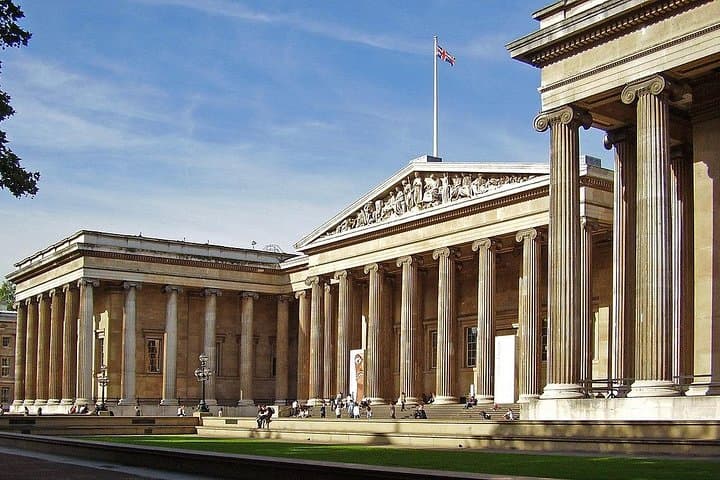
Founded in 1753, the Museum maps the long sweep of human culture, from prehistoric carvings to modern artifacts. Its Greek Revival façade and central Great Court are architectural markers; many of the marble sculptures were carved from Pentelic and Parian marbles, materials that give the galleries a cool, tactile geology. The collections reflect centuries of collecting practices and Britain’s global connections—expect conversations about provenance alongside object histories.
Walk at a measured pace: the Enlightenment Room rewards reflection, the Sutton Hoo treasures draw close inspection, and lesser-known holdings like the Waddesdon Bequest reveal decorative ingenuity. Local life presses in at the edges—Russell Square’s plane trees and nearby Bloomsbury cafés make good bookends to a long visit.
Practical guidance: a three-hour private tour lets a guide tailor highlights to your interests—history, sculpture, Egyptology—so tell them your priorities when booking. Wear comfortable shoes for flat but extensive walking, bring a refillable bottle, and allow time afterward for the Great Court and the museum shop. Photography rules vary by gallery; follow signage and your guide’s directions.
easy.
3 hours.
Suitable for most visitors; requires light mobility and the ability to stand and walk on flat surfaces for extended periods.
Yes—this private tour includes admission to the British Museum as stated in the booking details.
Meet at the Rear Entrance on Montague Place; your booking confirmation will reiterate the exact meeting point and time.
Yes—the British Museum has step-free access and facilities for visitors with mobility needs; inform the operator of any requirements when booking.
Absolutely—the guide will customize the three-hour itinerary to focus on areas like Egypt, Greece, Asia, or decorative arts based on your preferences.
Established by an Act of Parliament in 1753, the British Museum was one of the first public national museums and grew from private collections into a global repository.
The Museum follows strict conservation protocols and public rules to protect artifacts; be mindful of signage, avoid touching objects, and support ethical collecting conversations.
ArtGuides operates guided outdoor trips and adventures with an emphasis on safety, stewardship, and memorable experiences.
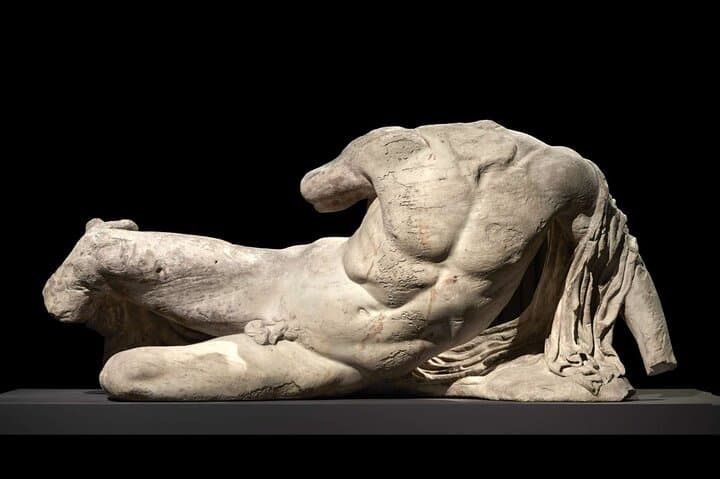
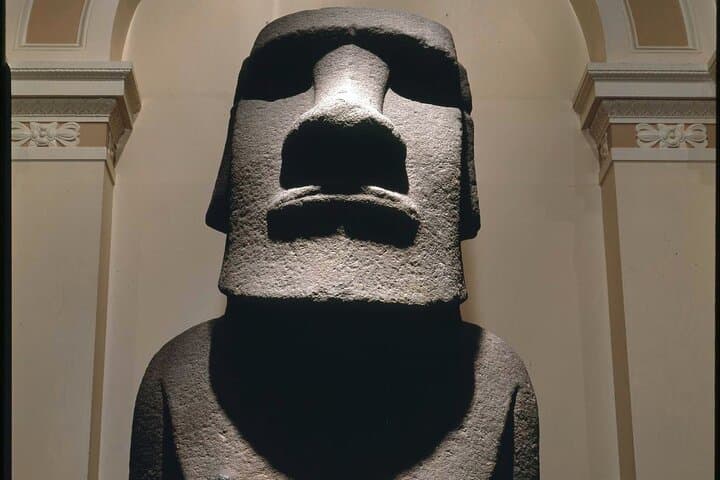
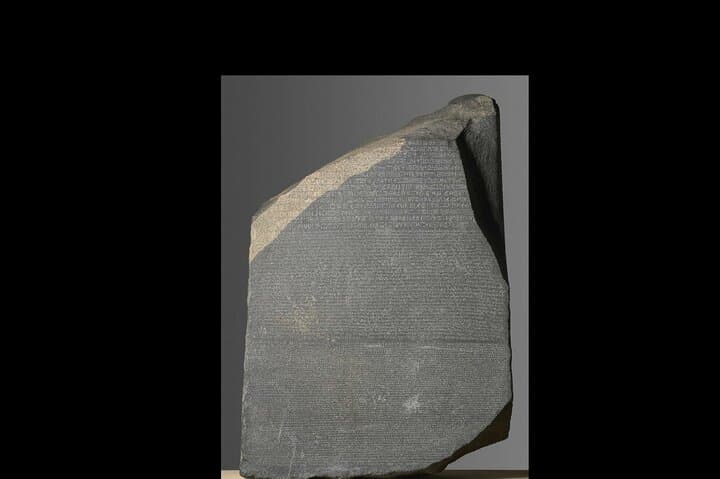
You step through the Rear Entrance on Montague Place and the hum of London falls away—stone steps, echoing galleries and objects that have crossed oceans and centuries. The British Museum unfolds in planes of light and shadow: the Rosetta Stone under careful glare, Parthenon marbles perched like fragments of an Athenian skyline, and cases of Chinese ceramics that glint with time.
You step through the Rear Entrance on Montague Place and the hum of London falls away—stone steps, echoing galleries and objects that have crossed oceans and centuries. The British Museum unfolds in planes of light and shadow: the Rosetta Stone under careful glare, Parthenon marbles perched like fragments of an Athenian skyline, and cases of Chinese ceramics that glint with time.
Founded in 1753, the Museum maps the long sweep of human culture, from prehistoric carvings to modern artifacts. Its Greek Revival façade and central Great Court are architectural markers; many of the marble sculptures were carved from Pentelic and Parian marbles, materials that give the galleries a cool, tactile geology. The collections reflect centuries of collecting practices and Britain’s global connections—expect conversations about provenance alongside object histories.
Walk at a measured pace: the Enlightenment Room rewards reflection, the Sutton Hoo treasures draw close inspection, and lesser-known holdings like the Waddesdon Bequest reveal decorative ingenuity. Local life presses in at the edges—Russell Square’s plane trees and nearby Bloomsbury cafés make good bookends to a long visit.
Practical guidance: a three-hour private tour lets a guide tailor highlights to your interests—history, sculpture, Egyptology—so tell them your priorities when booking. Wear comfortable shoes for flat but extensive walking, bring a refillable bottle, and allow time afterward for the Great Court and the museum shop. Photography rules vary by gallery; follow signage and your guide’s directions.