THE ADVENTURE COLLECTIVE® · Independent discovery and booking for outdoor travel

Explore the British Museum’s greatest hits with a private guide in a focused three-hour walk through Great Court, the Rosetta Stone, and the Parthenon friezes. This tour balances close-looking with practical pacing—ideal for first-time visitors who want context without overwhelm.
Explore the British Museum’s greatest hits with a private guide in a focused three-hour walk through Great Court, the Rosetta Stone, and the Parthenon friezes. This tour balances close-looking with practical pacing—ideal for first-time visitors who want context without overwhelm.
You step through the arched entrance of Lord Foster’s Great Court and the space opens like a quiet city square beneath a glass roof—shifting light, voices softened by stone. The tour moves deliberately: first the Rosetta Stone’s engraved lines that forced a new way of reading history, then the hulking presence of Ramesses II’s statue, and finally the carved marble fragments that once wrapped the Acropolis.
Verified experiences and guided adventures in the surrounding area.
Operated by Tourope UK · London, England
You step through the arched entrance of Lord Foster’s Great Court and the space opens like a quiet city square beneath a glass roof—shifting light, voices softened by stone. The tour moves deliberately: first the Rosetta Stone’s engraved lines that forced a new way of reading history, then the hulking presence of Ramesses II’s statue, and finally the carved marble fragments that once wrapped the Acropolis.
Founded by Act of Parliament in 1753 from Sir Hans Sloane’s collection, the British Museum charts human exchange across continents. The galleries read like a geology of culture: basalt inscriptions from Egypt, Parian marble friezes from Greece, and glazed porcelain that traces trade routes to East Asia. Bloomsbury’s streets—linens of university life and bookshops—frame the visit, offering cafés and quiet benches to digest what you’ve seen.
Practical rhythm matters. Expect three hours of mostly flat walking with pauses at key exhibits; the best pace is steady and intentional rather than rushed. Midweek mornings are least crowded; late afternoons can be noisy. Photography is allowed in many rooms but flash and tripods are often restricted—follow your guide. Accessibility is good, with ramps and lifts in many spaces, but some historic staircases remain.
Travel light: a small daypack, comfortable shoes and a rain layer if London weather shifts. Bring a charged phone for notes, and plan a short post-tour stop at a nearby café—artifacts need a human debrief as much as they need preservation.
easy.
3 hours.
Able to stand and walk steadily for up to three hours with short pauses; minimal elevation change.
The museum’s permanent collection has free admission; some special exhibitions may require separate tickets—confirm with your operator.
Tours typically begin in the Great Court beneath the glass roof by the information desk; confirm the exact meeting point with your booking voucher.
Many public areas and galleries are wheelchair accessible and lifts are available, though a few historic staircases may limit access to some rooms—advise your guide of mobility needs when booking.
Non-flash photography is allowed in many galleries, but flash, tripods, and certain rooms are restricted to protect artifacts—follow posted rules and your guide’s instructions.
Established in 1753 from Sir Hans Sloane’s collection, the British Museum was one of the world’s first national public museums and reflects centuries of acquisition and scholarship.
The museum follows strict conservation protocols to protect delicate materials; visitors can help by obeying no-flash rules and not touching displays.
Tourope UK operates guided outdoor trips and adventures with an emphasis on safety, stewardship, and memorable experiences.
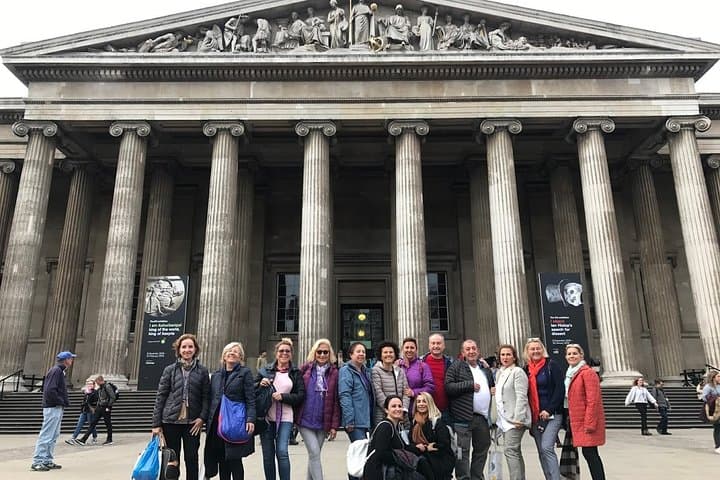
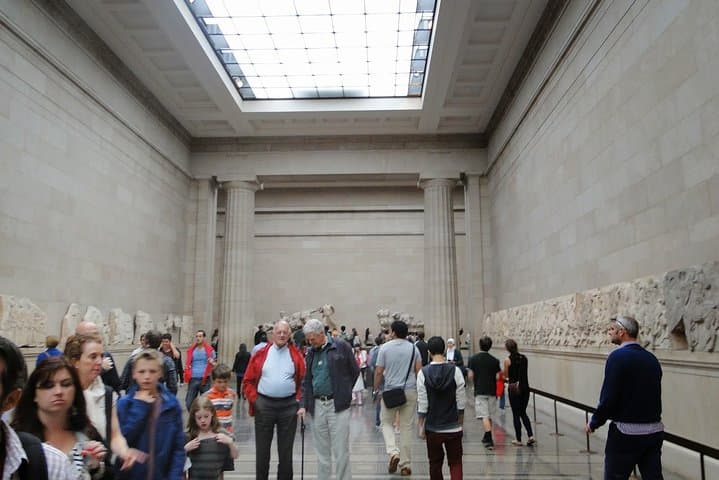
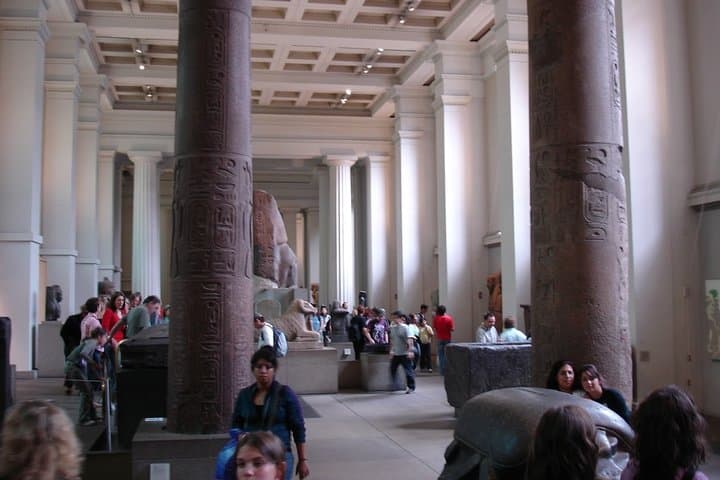
You step through the arched entrance of Lord Foster’s Great Court and the space opens like a quiet city square beneath a glass roof—shifting light, voices softened by stone. The tour moves deliberately: first the Rosetta Stone’s engraved lines that forced a new way of reading history, then the hulking presence of Ramesses II’s statue, and finally the carved marble fragments that once wrapped the Acropolis.
You step through the arched entrance of Lord Foster’s Great Court and the space opens like a quiet city square beneath a glass roof—shifting light, voices softened by stone. The tour moves deliberately: first the Rosetta Stone’s engraved lines that forced a new way of reading history, then the hulking presence of Ramesses II’s statue, and finally the carved marble fragments that once wrapped the Acropolis.
Founded by Act of Parliament in 1753 from Sir Hans Sloane’s collection, the British Museum charts human exchange across continents. The galleries read like a geology of culture: basalt inscriptions from Egypt, Parian marble friezes from Greece, and glazed porcelain that traces trade routes to East Asia. Bloomsbury’s streets—linens of university life and bookshops—frame the visit, offering cafés and quiet benches to digest what you’ve seen.
Practical rhythm matters. Expect three hours of mostly flat walking with pauses at key exhibits; the best pace is steady and intentional rather than rushed. Midweek mornings are least crowded; late afternoons can be noisy. Photography is allowed in many rooms but flash and tripods are often restricted—follow your guide. Accessibility is good, with ramps and lifts in many spaces, but some historic staircases remain.
Travel light: a small daypack, comfortable shoes and a rain layer if London weather shifts. Bring a charged phone for notes, and plan a short post-tour stop at a nearby café—artifacts need a human debrief as much as they need preservation.