THE ADVENTURE COLLECTIVE® · Independent discovery and booking for outdoor travel

Explore the British Museum’s marquee treasures in a focused two-hour guided tour. From the Rosetta Stone to Parthenon sculptures and Egyptian mummies, this walkable introduction pairs historical context with practical visiting tips.
Explore the British Museum’s marquee treasures in a focused two-hour guided tour. From the Rosetta Stone to Parthenon sculptures and Egyptian mummies, this walkable introduction pairs historical context with practical visiting tips.
The tour begins under the glass roof of the Great Court, where light pours across stone and footsteps echo like pages in a library. A guide threads the group through corridors where columns, cases and carved faces hold court; the Rosetta Stone sits like a linguistic cliff that changed how the West read the ancient world.
Verified experiences and guided adventures in the surrounding area.
Operated by MOVE VENEZIA · London, England
The tour begins under the glass roof of the Great Court, where light pours across stone and footsteps echo like pages in a library. A guide threads the group through corridors where columns, cases and carved faces hold court; the Rosetta Stone sits like a linguistic cliff that changed how the West read the ancient world.
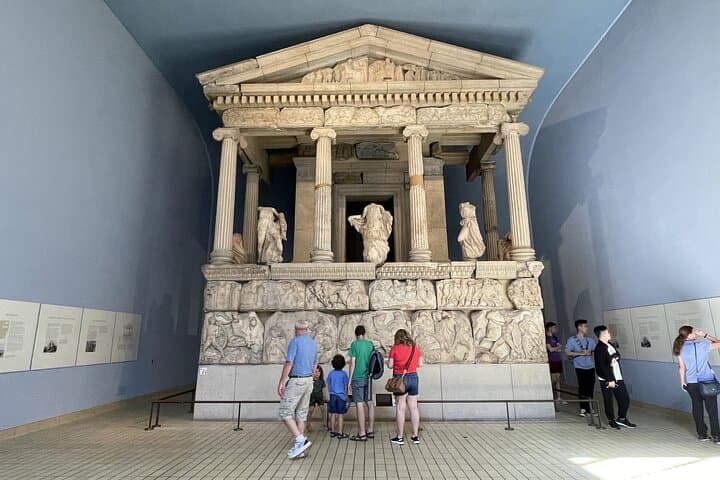
Founded from Sir Hans Sloane’s collection in 1753, the British Museum maps millennia across rooms named for places—Greece, Egypt, Mesopotamia—each object a compact history. The Parthenon sculptures, hewn from Pentelic marble, still argue with the light; the Egyptian galleries arrange sarcophagi and mummies with museum-grade restraint, while the Sutton Hoo treasures whisper of an Anglo-Saxon world that met the sea.
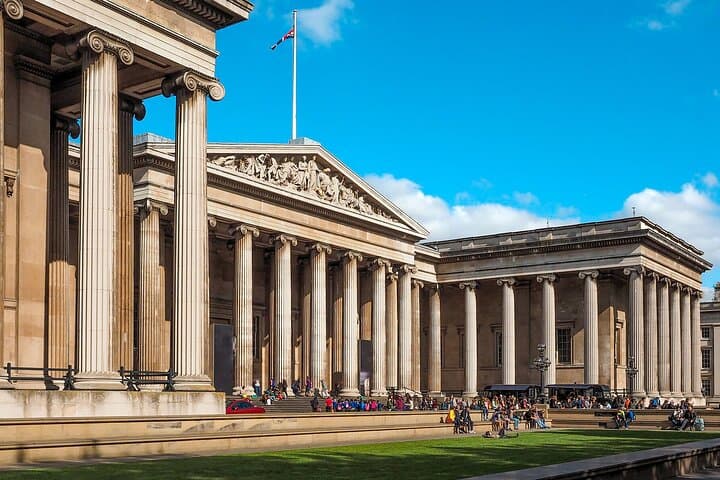
Beyond artifacts, the building itself charts Victorian civic ambition and later conservation debates that continue to shape access and loans. Expect knowledgeable commentary on provenance and the ethics of collecting as well as technical notes on materials and preservation.
Practicalities matter: this tour runs about two hours on foot, so wear comfortable shoes and plan for security screening. Mobile tickets are accepted; arrive 15 minutes early to meet the guide at the main entrance. Photography is generally allowed but follow signage and never use flash near sensitive objects. The route is manageable for most mobility levels, though there are long stretches of standing and walking.
Finish with time in the Great Court café or a quick visit to a quieter gallery recommended by the guide; these short choices make a full museum morning feel both attainable and rich.
easy.
2 hours.
Suitable for most people who can stand and walk for up to two hours with brief pauses.
Yes—book the guided tour in advance to secure your slot; mobile tickets are accepted and recommended.
The tour is family-friendly but involves museum walking and attention; infants must sit on laps per policy.
The British Museum provides step-free access and lifts to most galleries; notify the tour operator of any needs when booking.
Photography is generally allowed without flash, but follow signage—some objects and temporary exhibits restrict photography.
The British Museum was established in 1753 from Sir Hans Sloane’s collection and opened to the public in 1759, evolving into a global repository of antiquities and scholarship.
The museum balances public access with active conservation programs; visitors help by observing barriers, not touching displays, and following photography rules.
MOVE VENEZIA operates guided outdoor trips and adventures with an emphasis on safety, stewardship, and memorable experiences.
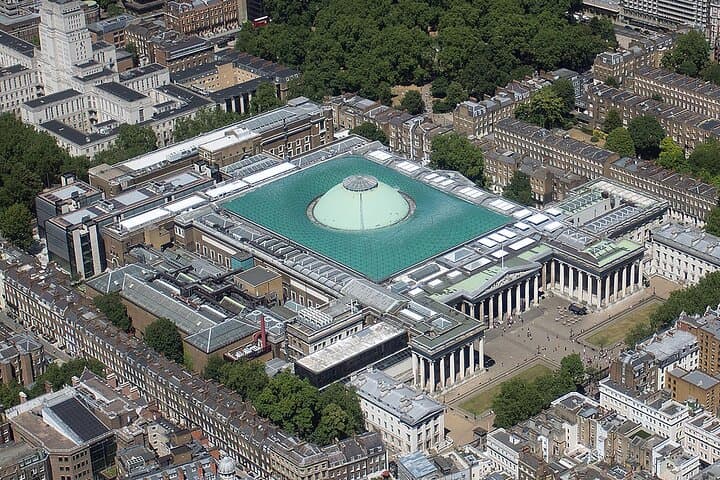
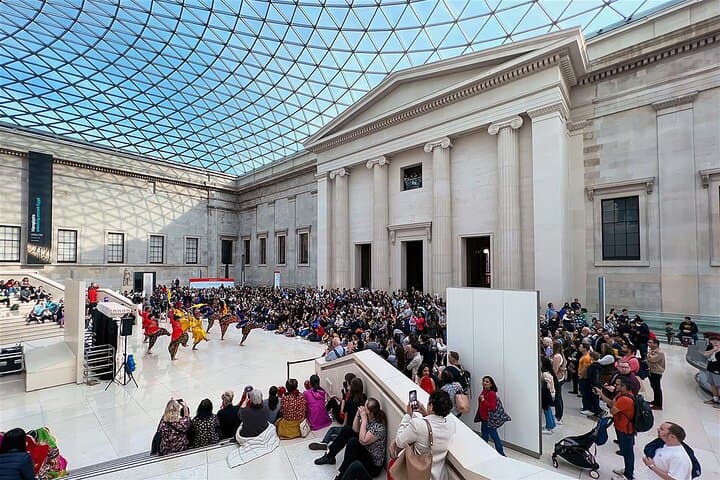
The tour begins under the glass roof of the Great Court, where light pours across stone and footsteps echo like pages in a library. A guide threads the group through corridors where columns, cases and carved faces hold court; the Rosetta Stone sits like a linguistic cliff that changed how the West read the ancient world.
The tour begins under the glass roof of the Great Court, where light pours across stone and footsteps echo like pages in a library. A guide threads the group through corridors where columns, cases and carved faces hold court; the Rosetta Stone sits like a linguistic cliff that changed how the West read the ancient world.
Founded from Sir Hans Sloane’s collection in 1753, the British Museum maps millennia across rooms named for places—Greece, Egypt, Mesopotamia—each object a compact history. The Parthenon sculptures, hewn from Pentelic marble, still argue with the light; the Egyptian galleries arrange sarcophagi and mummies with museum-grade restraint, while the Sutton Hoo treasures whisper of an Anglo-Saxon world that met the sea.
Beyond artifacts, the building itself charts Victorian civic ambition and later conservation debates that continue to shape access and loans. Expect knowledgeable commentary on provenance and the ethics of collecting as well as technical notes on materials and preservation.
Practicalities matter: this tour runs about two hours on foot, so wear comfortable shoes and plan for security screening. Mobile tickets are accepted; arrive 15 minutes early to meet the guide at the main entrance. Photography is generally allowed but follow signage and never use flash near sensitive objects. The route is manageable for most mobility levels, though there are long stretches of standing and walking.
Finish with time in the Great Court café or a quick visit to a quieter gallery recommended by the guide; these short choices make a full museum morning feel both attainable and rich.