THE ADVENTURE COLLECTIVE® · Independent discovery and booking for outdoor travel

See the Rosetta Stone, Parthenon marbles and an Easter Island figure with a private guide in a focused two‑hour tour of the British Museum. Learn where to go, what to expect and how to make the most of a short visit.
See the Rosetta Stone, Parthenon marbles and an Easter Island figure with a private guide in a focused two‑hour tour of the British Museum. Learn where to go, what to expect and how to make the most of a short visit.
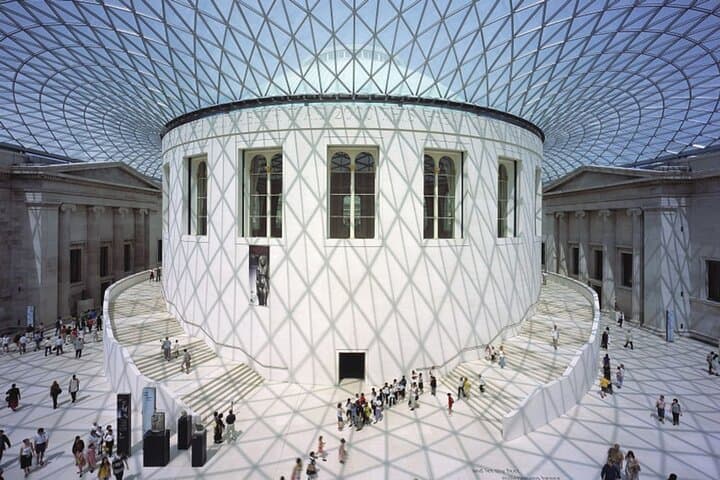
Step off the crowded Tottenham Court Road and into the British Museum’s Great Court, where light pours across an open square of glass and stone, and centuries of human making press close in every gallery.
Verified experiences and guided adventures in the surrounding area.
Operated by ArtGuides · London, Greater London
Step off the crowded Tottenham Court Road and into the British Museum’s Great Court, where light pours across an open square of glass and stone, and centuries of human making press close in every gallery.
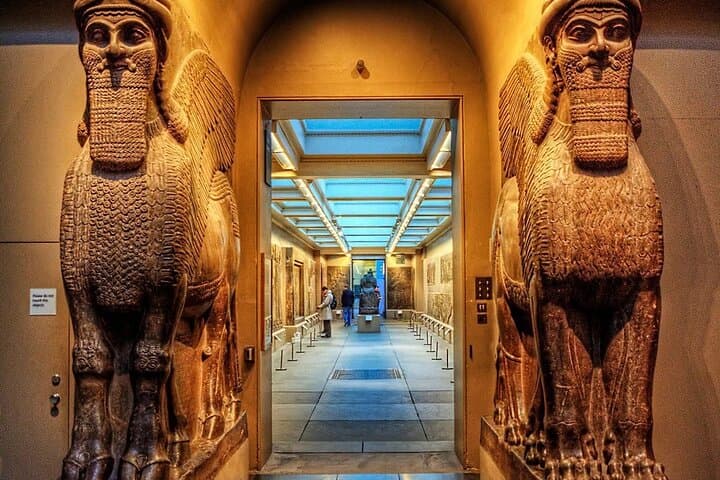
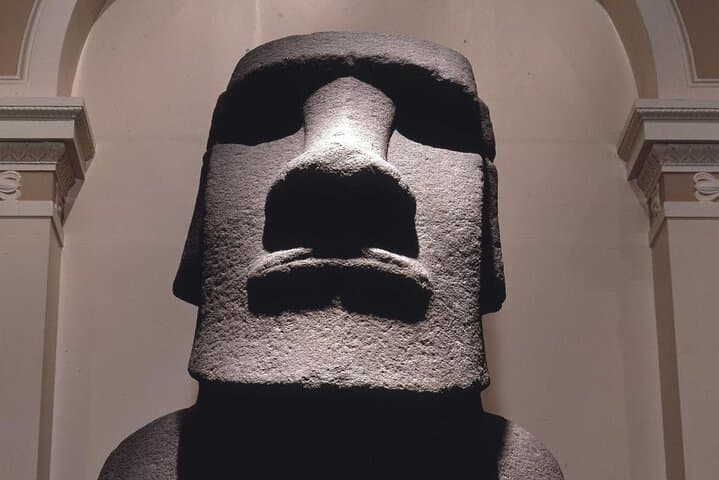
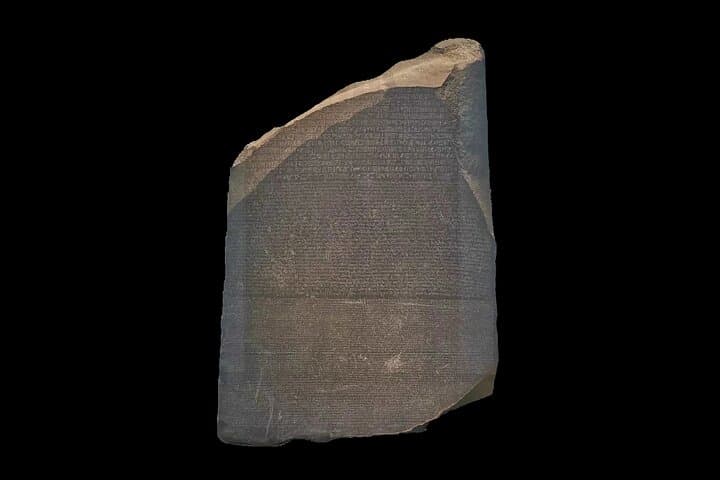
In two hours a private guide threads the museum’s story: the Rosetta Stone that unlocked Egyptian hieroglyphs, the Parthenon marbles carved for ancient Athens, and a towering Easter Island figure whose presence still demands questions about distant seas and societies. The building itself—founded in 1753 from Sir Hans Sloane’s collection—reflects Enlightenment ambitions to gather global objects under one roof.
Geology and craft meet here: carved stones, bronze age axes and ceramic glazes tell technical stories as much as cultural ones. Bloomsbury’s streets outside still echo the 19th‑century scholarly networks that routed artifacts to London; debates about provenance and repatriation are part of visiting today.
Practically, a two‑hour highlights walk is brisk: expect moderate pacing, short stops at major galleries, and a chance to shape the route around your interests—classical sculpture, Egyptian antiquities or non‑European collections. The guide handles tickets and navigation; you handle comfortable shoes, a light jacket for the draughty court, and questions.
Arrive 10–15 minutes early, bring a mobile ticket and minimal baggage (security checks are standard). If you’re visiting peak season, book a morning slot to avoid later crowds and leave time afterward to return to any gallery that caught your eye.
easy.
2 hours.
Minimal walking fitness required; mostly indoor, steady pace with occasional stairs
Admission is included with this private guided tour, so you do not need to purchase a separate ticket.
Yes—the museum and this tour are wheelchair accessible; notify the operator of specific accessibility needs when booking.
Yes—this private tour can be tailored to your interests; indicate preferences when booking or at the start of the tour.
Guides can access most public galleries, but some rooms may be closed for conservation or curatorial reasons; your guide will adjust the route as needed.
Founded in 1753 from Sir Hans Sloane’s collection, the British Museum was among the first national public museums and grew through donations, purchases and collections from around the world.
The museum maintains extensive conservation labs and public programs; conversations about provenance and repatriation are active parts of how the collection is presented.
ArtGuides operates guided outdoor trips and adventures with an emphasis on safety, stewardship, and memorable experiences.
Step off the crowded Tottenham Court Road and into the British Museum’s Great Court, where light pours across an open square of glass and stone, and centuries of human making press close in every gallery.
Step off the crowded Tottenham Court Road and into the British Museum’s Great Court, where light pours across an open square of glass and stone, and centuries of human making press close in every gallery.
In two hours a private guide threads the museum’s story: the Rosetta Stone that unlocked Egyptian hieroglyphs, the Parthenon marbles carved for ancient Athens, and a towering Easter Island figure whose presence still demands questions about distant seas and societies. The building itself—founded in 1753 from Sir Hans Sloane’s collection—reflects Enlightenment ambitions to gather global objects under one roof.
Geology and craft meet here: carved stones, bronze age axes and ceramic glazes tell technical stories as much as cultural ones. Bloomsbury’s streets outside still echo the 19th‑century scholarly networks that routed artifacts to London; debates about provenance and repatriation are part of visiting today.
Practically, a two‑hour highlights walk is brisk: expect moderate pacing, short stops at major galleries, and a chance to shape the route around your interests—classical sculpture, Egyptian antiquities or non‑European collections. The guide handles tickets and navigation; you handle comfortable shoes, a light jacket for the draughty court, and questions.
Arrive 10–15 minutes early, bring a mobile ticket and minimal baggage (security checks are standard). If you’re visiting peak season, book a morning slot to avoid later crowds and leave time afterward to return to any gallery that caught your eye.