THE ADVENTURE COLLECTIVE® · Independent discovery and booking for outdoor travel

Move from Bloomsbury’s streets into the Great Court for a focused two-hour guided walk through Egyptian tomb goods, Assyrian reliefs and Parthenon sculpture. This tour pairs expert commentary with practical pacing—perfect for travelers wanting concentrated context without wandering for a day.
Move from Bloomsbury’s streets into the Great Court for a focused two-hour guided walk through Egyptian tomb goods, Assyrian reliefs and Parthenon sculpture. This tour pairs expert commentary with practical pacing—perfect for travelers wanting concentrated context without wandering for a day.
The guide waits by the museum steps as the city's hum recedes and the Great Court opens like a cool, stone lung. Visitors step from Bloomsbury’s traffic into a vaulted glass canopy where light pools on marble and casts on plaster—this two-hour guided tour moves with purpose through rooms packed with the artifacts that map humanity’s long reach.
Verified experiences and guided adventures in the surrounding area.
Operated by Paseando por Europa · London, England
The guide waits by the museum steps as the city's hum recedes and the Great Court opens like a cool, stone lung. Visitors step from Bloomsbury’s traffic into a vaulted glass canopy where light pools on marble and casts on plaster—this two-hour guided tour moves with purpose through rooms packed with the artifacts that map humanity’s long reach.
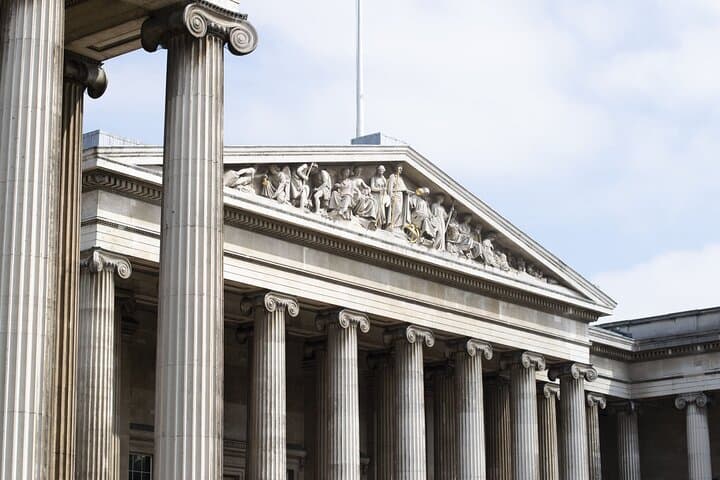
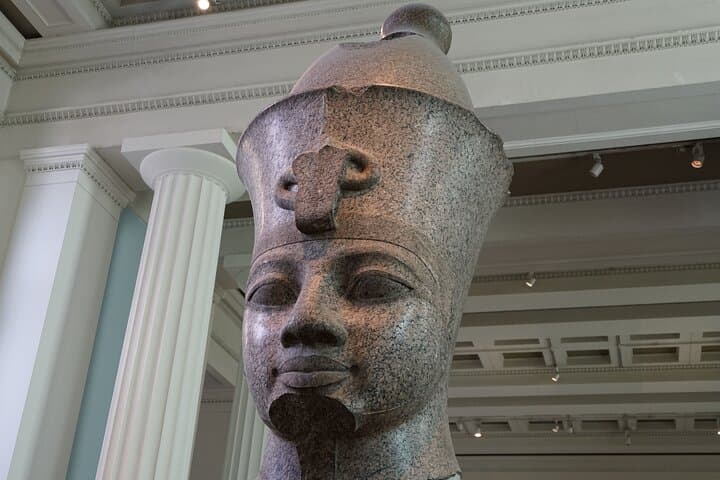
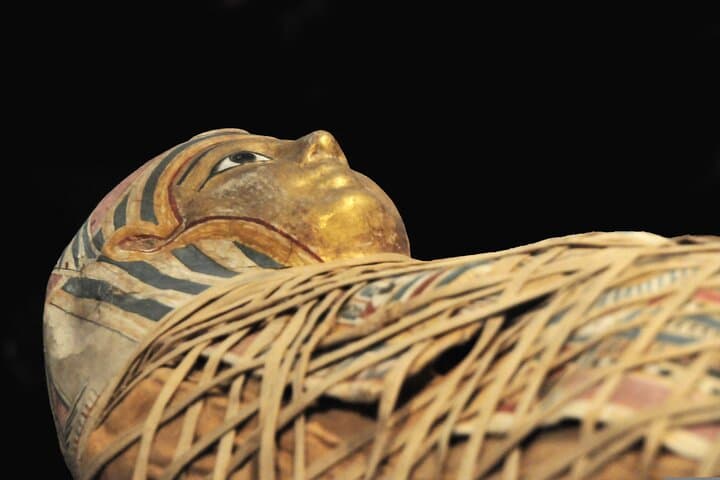
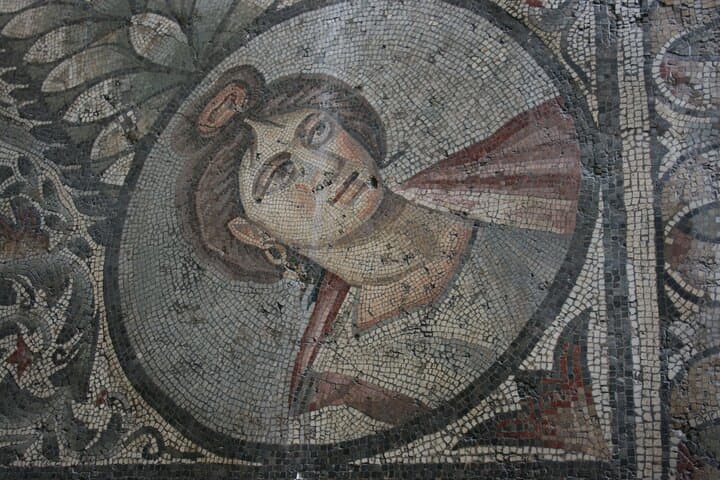
Built from Sir Hans Sloane’s 18th-century collection and opened in 1759, the British Museum was one of the first public museums in the world. Its holdings span Egyptian funerary objects, Assyrian reliefs and the Parthenon marbles—objects that chart trade, conquest and belief across continents. Geologically the collections bring ancient stone, clay and metal into a modern climate-controlled setting; culturally, the rooms reflect changing tastes in collecting and the complex histories of empire and repatriation that accompany many pieces.
The tour typically visits the Enlightenment Gallery, the Egyptian galleries, the Parthenon sculptures and a selection of Mesoamerican pieces, with curated context provided by an expert English-speaking guide. Expect steady walking on stone and tile, close viewing of fragile objects behind glass, and pointed historical commentary rather than a slow, room-by-room browse.
Practical guidance: arrive 15 minutes early to pass security and avoid queues; bring a reusable water bottle (no food in galleries), wear comfortable shoes for two hours on hard floors, and check photography rules for specific rooms. Public transport drops you minutes away; allow extra time during peak tourist months. This is a high-value cultural stop for travelers who want concentrated context and reliable pacing without skipping the museum’s headline works.
easy.
2 hours.
Suitable for all fitness levels; requires standing and walking on hard floors for up to two hours
Entry to the museum is free, but it’s wise to book the tour or reserve a timed entry (when offered) to guarantee space and avoid queues.
Yes—most public areas of the British Museum and the tour route are wheelchair accessible; indicate special requirements when booking.
Non-flash photography is generally allowed in many galleries, but restrictions apply to certain rooms and objects—your guide will clarify location-specific rules.
Shared tours typically limit group size (up to about 15) to maintain commentary quality and allow close viewing of exhibits.
Founded from Sir Hans Sloane’s collection and established by Act of Parliament in 1753, the British Museum opened to the public in 1759 and helped pioneer the concept of a national, publicly accessible collection.
The museum relies on strict climate control, specialized conservation labs and visitor guidelines to protect fragile artifacts; visitors can help by following signage and avoiding flash photography.
Paseando por Europa operates guided outdoor trips and adventures with an emphasis on safety, stewardship, and memorable experiences.
The guide waits by the museum steps as the city's hum recedes and the Great Court opens like a cool, stone lung. Visitors step from Bloomsbury’s traffic into a vaulted glass canopy where light pools on marble and casts on plaster—this two-hour guided tour moves with purpose through rooms packed with the artifacts that map humanity’s long reach.
The guide waits by the museum steps as the city's hum recedes and the Great Court opens like a cool, stone lung. Visitors step from Bloomsbury’s traffic into a vaulted glass canopy where light pools on marble and casts on plaster—this two-hour guided tour moves with purpose through rooms packed with the artifacts that map humanity’s long reach.
Built from Sir Hans Sloane’s 18th-century collection and opened in 1759, the British Museum was one of the first public museums in the world. Its holdings span Egyptian funerary objects, Assyrian reliefs and the Parthenon marbles—objects that chart trade, conquest and belief across continents. Geologically the collections bring ancient stone, clay and metal into a modern climate-controlled setting; culturally, the rooms reflect changing tastes in collecting and the complex histories of empire and repatriation that accompany many pieces.
The tour typically visits the Enlightenment Gallery, the Egyptian galleries, the Parthenon sculptures and a selection of Mesoamerican pieces, with curated context provided by an expert English-speaking guide. Expect steady walking on stone and tile, close viewing of fragile objects behind glass, and pointed historical commentary rather than a slow, room-by-room browse.
Practical guidance: arrive 15 minutes early to pass security and avoid queues; bring a reusable water bottle (no food in galleries), wear comfortable shoes for two hours on hard floors, and check photography rules for specific rooms. Public transport drops you minutes away; allow extra time during peak tourist months. This is a high-value cultural stop for travelers who want concentrated context and reliable pacing without skipping the museum’s headline works.