THE ADVENTURE COLLECTIVE® · Independent discovery and booking for outdoor travel

Spend 2½ hours with a guide through the British Museum’s headline objects — the Rosetta Stone, Elgin Marbles, Sutton Hoo and more — while learning the stories behind the stones and statues. Timed entry and a curated route make the most of a compact visit.
Spend 2½ hours with a guide through the British Museum’s headline objects — the Rosetta Stone, Elgin Marbles, Sutton Hoo and more — while learning the stories behind the stones and statues. Timed entry and a curated route make the most of a compact visit.
You step out of the London drizzle onto Great Russell Street and a pair of red telephone boxes mark the meeting point. The guide is already there, voice steady above the city hum, and within minutes you’re inside the Great Court — a vault of pale stone and glass that funnels light over cases and corridors brimming with history.
Verified experiences and guided adventures in the surrounding area.
Operated by The Great Weekender · London, England
You step out of the London drizzle onto Great Russell Street and a pair of red telephone boxes mark the meeting point. The guide is already there, voice steady above the city hum, and within minutes you’re inside the Great Court — a vault of pale stone and glass that funnels light over cases and corridors brimming with history.
The British Museum began from Sir Hans Sloane’s 18th‑century collection and opened to the public in 1759; its galleries chart human cultures from prehistoric tools to classical marble sculpture. Geology punctuates the collection — the Rosetta Stone’s dark granodiorite, the Parthenon’s Carrara‑like marbles — each material a clue to trade, conquest and craft. Culturally, the museum reflects Britain’s global collecting history and the stories those objects now tell in a modern city.
On a 2½‑hour guided highlights tour you’ll focus on select masterpieces: the Rosetta Stone, Elgin Marbles, Sutton Hoo finds and the Lewis Chessmen, with context and anecdotes from a local guide who adapts the route to your interests. Expect timed entry and an arranged meeting point outside the two phone boxes; groups are up to 15. The route involves a steady walk over hard floors and stairs; the museum is stroller- and wheelchair‑accessible but has security screening and bag checks.
Practicalities: arrive 10–15 minutes early, bring a small bag or none at all, wear comfortable shoes and layer for variable indoor temperatures. Photography rules vary by gallery — your guide will point out restricted rooms. After the tour, the museum’s café and the quieter Enlightenment Gallery are good places to linger and absorb what you’ve just seen.
easy.
2–3 hours.
Requires a moderate level of fitness for walking and standing for extended periods; suitable for most visitors who can manage stairs or request accessible routes.
Timed entry to the museum is included with this tour, so you do not need to purchase a separate general admission ticket.
Yes — the museum and meeting logistics are wheelchair and stroller accessible; notify the operator of any mobility needs when booking.
The guide meets outside the front of the museum between the two red telephone boxes on Great Russell Street; be there 10–15 minutes early.
Photography rules vary by gallery — non‑flash photos are generally allowed in many rooms but flash and tripods are restricted; your guide will advise on site.
Founded from Sir Hans Sloane’s 18th‑century collection, the British Museum opened in 1759 as the world’s first national public museum and now houses millions of objects spanning human history.
The museum operates specialist conservation labs and uses timed entries and visitor guidance to limit wear on fragile objects; visitors help by following photography and touching restrictions.
The Great Weekender operates guided outdoor trips and adventures with an emphasis on safety, stewardship, and memorable experiences.
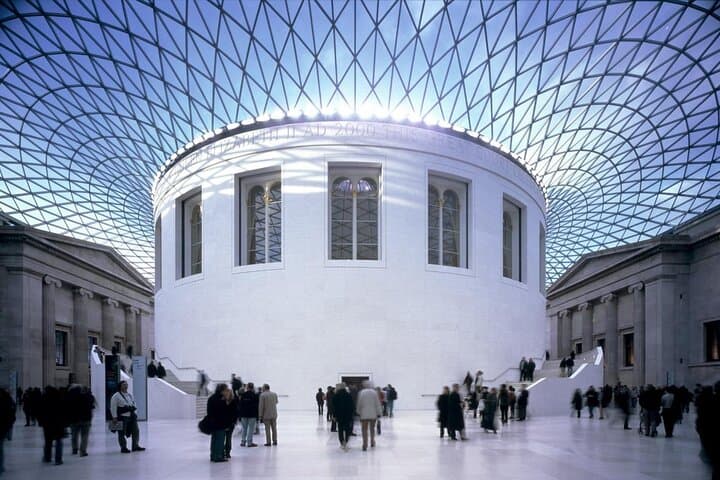
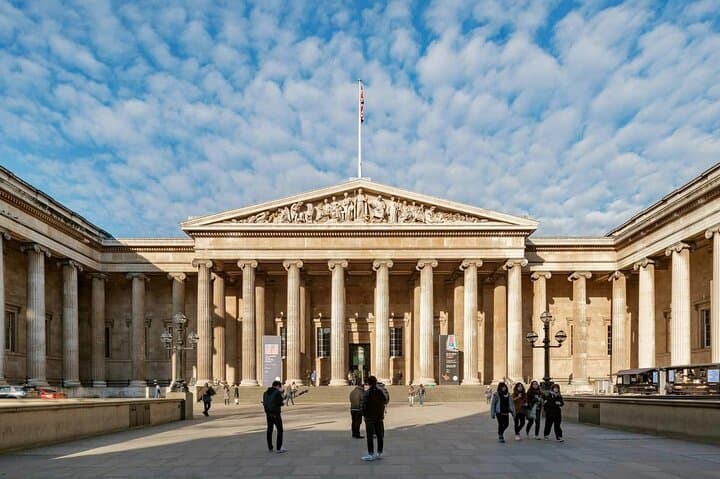
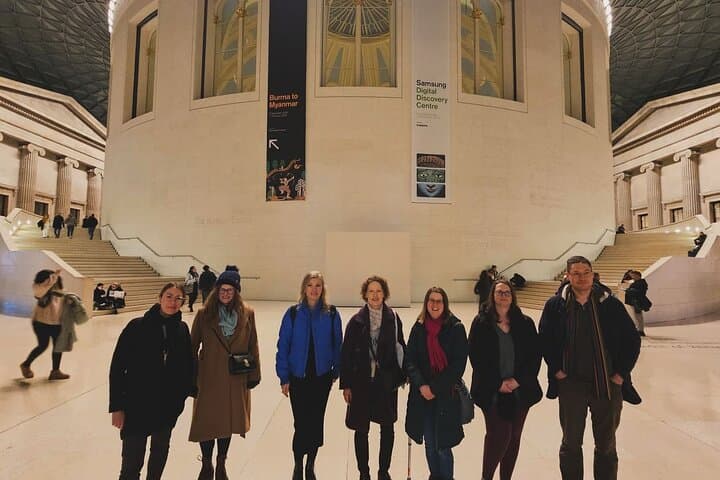
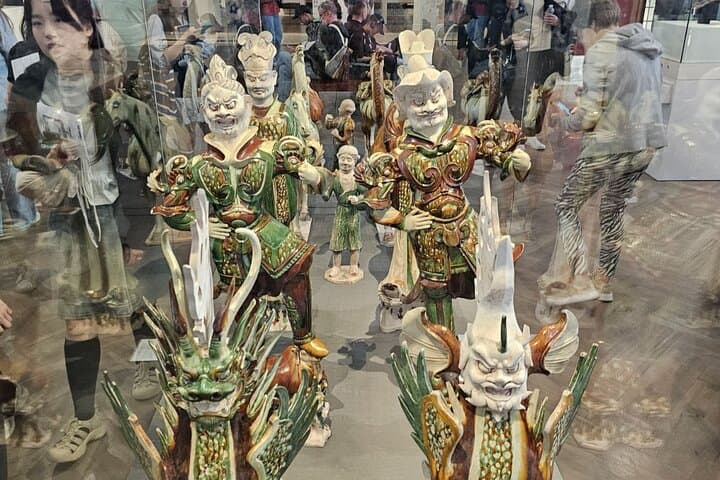
You step out of the London drizzle onto Great Russell Street and a pair of red telephone boxes mark the meeting point. The guide is already there, voice steady above the city hum, and within minutes you’re inside the Great Court — a vault of pale stone and glass that funnels light over cases and corridors brimming with history.
You step out of the London drizzle onto Great Russell Street and a pair of red telephone boxes mark the meeting point. The guide is already there, voice steady above the city hum, and within minutes you’re inside the Great Court — a vault of pale stone and glass that funnels light over cases and corridors brimming with history.
The British Museum began from Sir Hans Sloane’s 18th‑century collection and opened to the public in 1759; its galleries chart human cultures from prehistoric tools to classical marble sculpture. Geology punctuates the collection — the Rosetta Stone’s dark granodiorite, the Parthenon’s Carrara‑like marbles — each material a clue to trade, conquest and craft. Culturally, the museum reflects Britain’s global collecting history and the stories those objects now tell in a modern city.
On a 2½‑hour guided highlights tour you’ll focus on select masterpieces: the Rosetta Stone, Elgin Marbles, Sutton Hoo finds and the Lewis Chessmen, with context and anecdotes from a local guide who adapts the route to your interests. Expect timed entry and an arranged meeting point outside the two phone boxes; groups are up to 15. The route involves a steady walk over hard floors and stairs; the museum is stroller- and wheelchair‑accessible but has security screening and bag checks.
Practicalities: arrive 10–15 minutes early, bring a small bag or none at all, wear comfortable shoes and layer for variable indoor temperatures. Photography rules vary by gallery — your guide will point out restricted rooms. After the tour, the museum’s café and the quieter Enlightenment Gallery are good places to linger and absorb what you’ve just seen.