THE ADVENTURE COLLECTIVE® · Independent discovery and booking for outdoor travel

Reserve free timed entry to the British Museum and explore millennia of human history with a downloadable audio guide. This visitor guide explains what to expect, where to start, and how to make the most of a 2–4 hour visit.
Reserve free timed entry to the British Museum and explore millennia of human history with a downloadable audio guide. This visitor guide explains what to expect, where to start, and how to make the most of a 2–4 hour visit.
Stepping through the British Museum’s Montague Place entrance, the noise of central London softens and a cool, stone hush takes over. Light filters across the Great Court roof and the Rosetta Stone waits under watchful glass; the building feels like an archive that breathes history.
Verified experiences and guided adventures in the surrounding area.
Operated by ParisBillets · London, England
Stepping through the British Museum’s Montague Place entrance, the noise of central London softens and a cool, stone hush takes over. Light filters across the Great Court roof and the Rosetta Stone waits under watchful glass; the building feels like an archive that breathes history.
Founded from Sir Hans Sloane’s 18th-century collection and opened to the public in 1759, the museum charts human creativity from ancient Egyptian granodiorite carvings to the marble fragments of the Parthenon. Geology and craft intersect here — volcanic basalt, Aegean marble, and fired Greek clay sit side by side, each object a physical link to a place and era. The galleries trace empire, trade, religion and daily life, and contemporary interventions — like Grayson Perry’s work — spark conversation about the museum’s role today.
Expect an easy, self-paced visit best enjoyed with the provided audio guide that points out context you might miss in a quick walk-through: why the Rosetta Stone unlocked languages, or how the Ife Head reframes West African artistry. Cultural detail and provenance notes are part of many label stories; staff are available for questions.
Practicalities matter: allow 2–4 hours, use the North (Montague Place) entrance to reduce waiting, and store large bags in the cloakroom (charges apply). Wear comfortable shoes for hard-floored galleries and bring a charged phone for the downloadable audio link. Plan breaks in the Great Court café and check the museum’s website for temporary exhibition schedules and prohibited items before you travel.
easy.
2–4 hours.
Suitable for all fitness levels; expect periods of standing and walking on hard floors.
Yes — this reservation provides a free timed entry ticket; some special exhibitions inside may require an additional paid ticket.
An audio guide link is sent with your ticket; download it before arrival or follow the instructions in your confirmation to stream on-site.
Large bags over 8kg and wheeled luggage are not allowed in galleries; use the cloakroom which accepts items for a fee.
Photography for personal use is generally permitted in permanent galleries but is restricted for some objects and temporary exhibitions — check signage on-site.
The museum opened in 1759 from Sir Hans Sloane’s collections and was the first national public museum in Britain, created to promote knowledge accessible to all.
The British Museum emphasizes collection care and research; visitors are encouraged to use public transport, avoid bringing large bags, and respect exhibit rules to minimize wear on fragile objects.
ParisBillets operates guided outdoor trips and adventures with an emphasis on safety, stewardship, and memorable experiences.
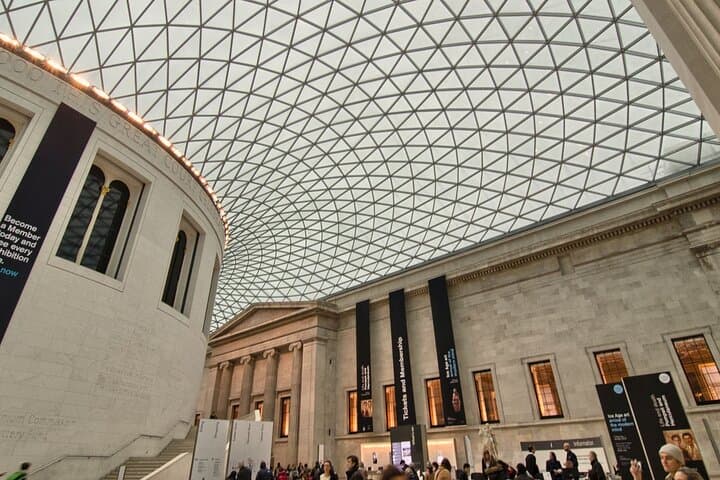
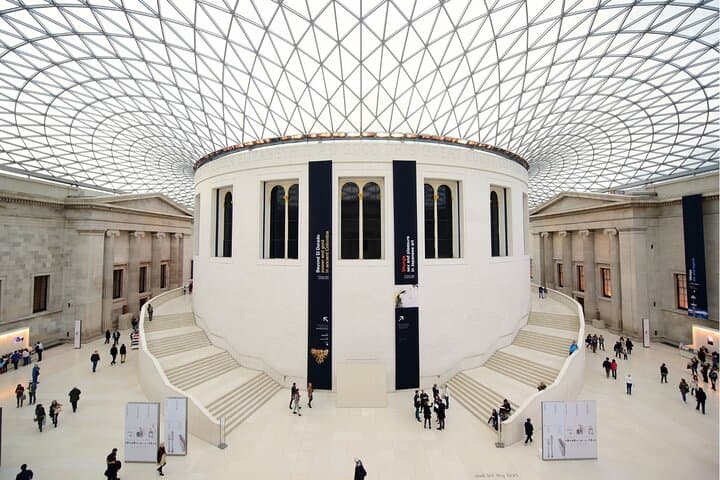
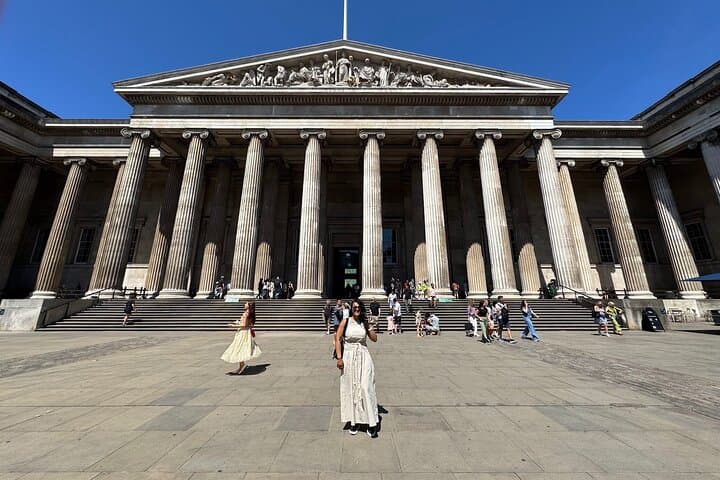
Stepping through the British Museum’s Montague Place entrance, the noise of central London softens and a cool, stone hush takes over. Light filters across the Great Court roof and the Rosetta Stone waits under watchful glass; the building feels like an archive that breathes history.
Stepping through the British Museum’s Montague Place entrance, the noise of central London softens and a cool, stone hush takes over. Light filters across the Great Court roof and the Rosetta Stone waits under watchful glass; the building feels like an archive that breathes history.
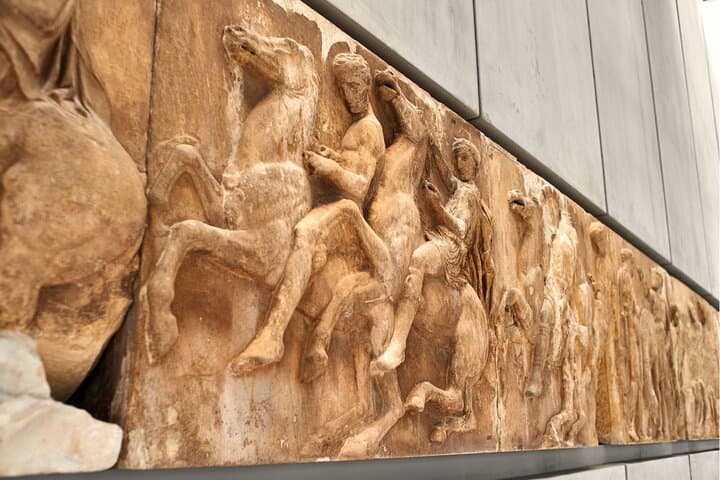
Founded from Sir Hans Sloane’s 18th-century collection and opened to the public in 1759, the museum charts human creativity from ancient Egyptian granodiorite carvings to the marble fragments of the Parthenon. Geology and craft intersect here — volcanic basalt, Aegean marble, and fired Greek clay sit side by side, each object a physical link to a place and era. The galleries trace empire, trade, religion and daily life, and contemporary interventions — like Grayson Perry’s work — spark conversation about the museum’s role today.
Expect an easy, self-paced visit best enjoyed with the provided audio guide that points out context you might miss in a quick walk-through: why the Rosetta Stone unlocked languages, or how the Ife Head reframes West African artistry. Cultural detail and provenance notes are part of many label stories; staff are available for questions.
Practicalities matter: allow 2–4 hours, use the North (Montague Place) entrance to reduce waiting, and store large bags in the cloakroom (charges apply). Wear comfortable shoes for hard-floored galleries and bring a charged phone for the downloadable audio link. Plan breaks in the Great Court café and check the museum’s website for temporary exhibition schedules and prohibited items before you travel.