THE ADVENTURE COLLECTIVE® · Independent discovery and booking for outdoor travel

Secure your British Museum entry ticket and move through centuries in a single day. This practical guide helps you plan timing, routes, and what to prioritize inside one of the world’s most influential museums.
Secure your British Museum entry ticket and move through centuries in a single day. This practical guide helps you plan timing, routes, and what to prioritize inside one of the world’s most influential museums.
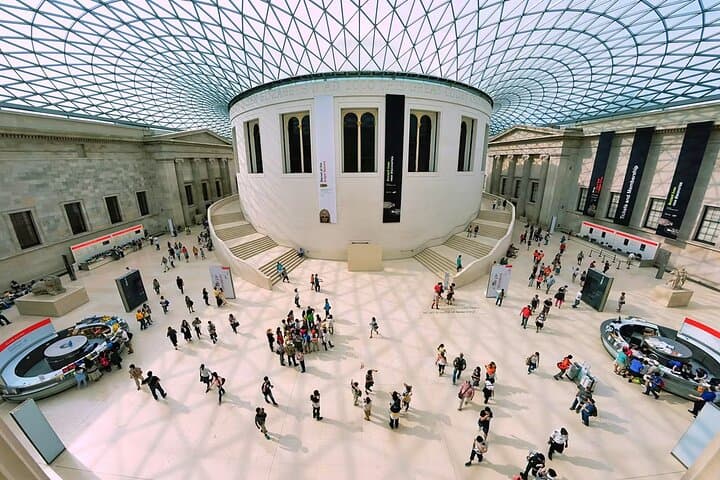
You push through the museum doors on a rain-bright London morning and the air changes: cooler, quieter, pages of human history folded into stone and metal. Light drifts across high galleries; voices become a careful hush as you move from one room to the next. The British Museum’s central courtyard and long corridors draw you inward—this is a place built to be read.
Verified experiences and guided adventures in the surrounding area.
Operated by Nobel Trip · London, England
You push through the museum doors on a rain-bright London morning and the air changes: cooler, quieter, pages of human history folded into stone and metal. Light drifts across high galleries; voices become a careful hush as you move from one room to the next. The British Museum’s central courtyard and long corridors draw you inward—this is a place built to be read.
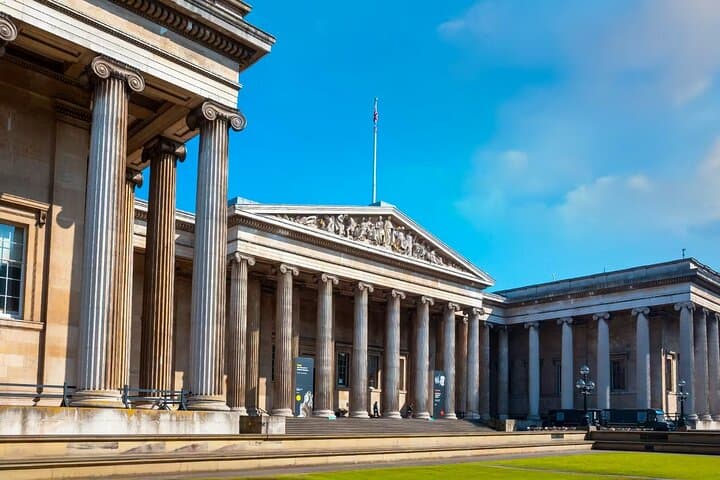
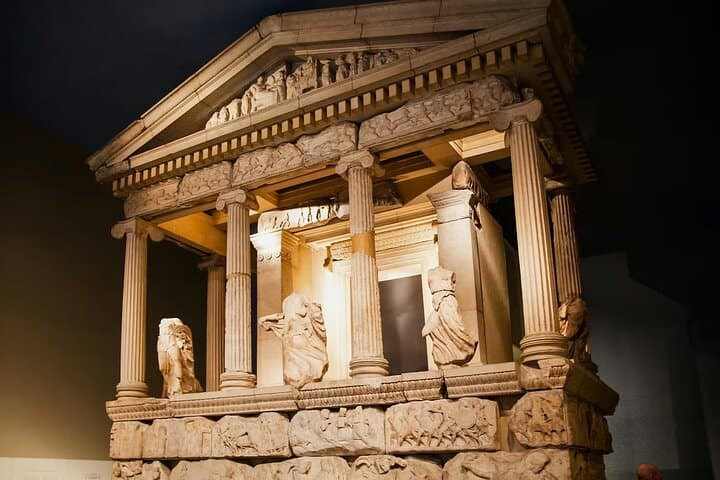
Founded in 1753 from Sir Hans Sloane’s collection, the museum charts imperial networks, scientific curiosity, and artistic exchange across continents. The building itself combines 19th-century neoclassical façades with a modern glass-roofed court; galleries are organized by region and era, from Ancient Egypt to Asian art. Expect to see objects that trace the rise and fall of empires, archaeological finds that changed scholarship, and displays that spark debate about provenance and repatriation.
Practicalities shape the visit: tickets are mobile-friendly and typically timed, security checks are routine, and peak hours cluster late morning through mid-afternoon. Plan pockets of focused exploration—pick two areas (for example, the Enlightenment Gallery and the Egyptian collection) rather than trying to race through every room. Wear comfortable shoes; gallery floors are stone and the building covers a lot of ground.
Insider timing helps: early openings and late afternoons are calmer. Photography without flash is generally allowed in permanent galleries but respect signage for temporary exhibitions. Food and drink are limited to designated areas; use breaks to review maps and conserve energy. With modest planning, a single ticket unlocks hours of discovery and enough quiet corners to let history sit with you.
easy.
1–2 hours.
Suitable for all fitness levels; expect standing and walking on hard floors for extended periods
No—mobile tickets are accepted; bring the booking confirmation and a valid ID if requested.
Plan 1–2 hours for a focused visit or half a day to see multiple major galleries at a relaxed pace.
Photography without flash is generally permitted in permanent galleries, but follow signage—temporary exhibitions may restrict images.
Large suitcases are not practical in galleries; use station left-luggage services or travel light—security checks may refuse oversized bags.
Opened in 1759 from the Sloane collections, the British Museum was one of the first public museums and helped define modern museum practice.
The museum emphasizes conservation and careful environmental controls for fragile materials; visitors are asked to avoid touching objects and to follow exhibit guidance to protect collections.
Nobel Trip operates guided outdoor trips and adventures with an emphasis on safety, stewardship, and memorable experiences.
You push through the museum doors on a rain-bright London morning and the air changes: cooler, quieter, pages of human history folded into stone and metal. Light drifts across high galleries; voices become a careful hush as you move from one room to the next. The British Museum’s central courtyard and long corridors draw you inward—this is a place built to be read.
You push through the museum doors on a rain-bright London morning and the air changes: cooler, quieter, pages of human history folded into stone and metal. Light drifts across high galleries; voices become a careful hush as you move from one room to the next. The British Museum’s central courtyard and long corridors draw you inward—this is a place built to be read.
Founded in 1753 from Sir Hans Sloane’s collection, the museum charts imperial networks, scientific curiosity, and artistic exchange across continents. The building itself combines 19th-century neoclassical façades with a modern glass-roofed court; galleries are organized by region and era, from Ancient Egypt to Asian art. Expect to see objects that trace the rise and fall of empires, archaeological finds that changed scholarship, and displays that spark debate about provenance and repatriation.
Practicalities shape the visit: tickets are mobile-friendly and typically timed, security checks are routine, and peak hours cluster late morning through mid-afternoon. Plan pockets of focused exploration—pick two areas (for example, the Enlightenment Gallery and the Egyptian collection) rather than trying to race through every room. Wear comfortable shoes; gallery floors are stone and the building covers a lot of ground.
Insider timing helps: early openings and late afternoons are calmer. Photography without flash is generally allowed in permanent galleries but respect signage for temporary exhibitions. Food and drink are limited to designated areas; use breaks to review maps and conserve energy. With modest planning, a single ticket unlocks hours of discovery and enough quiet corners to let history sit with you.