THE ADVENTURE COLLECTIVE® · Independent discovery and booking for outdoor travel

Walk the streets where Brisbane became an Allied command center. This intimate 2.8 km, 2.5-hour tour connects Queen's Wharf, MacArthur's HQ site, the Battle of Brisbane intersection, and ANZAC Square with expert narration and local context.
Walk the streets where Brisbane became an Allied command center. This intimate 2.8 km, 2.5-hour tour connects Queen's Wharf, MacArthur's HQ site, the Battle of Brisbane intersection, and ANZAC Square with expert narration and local context.
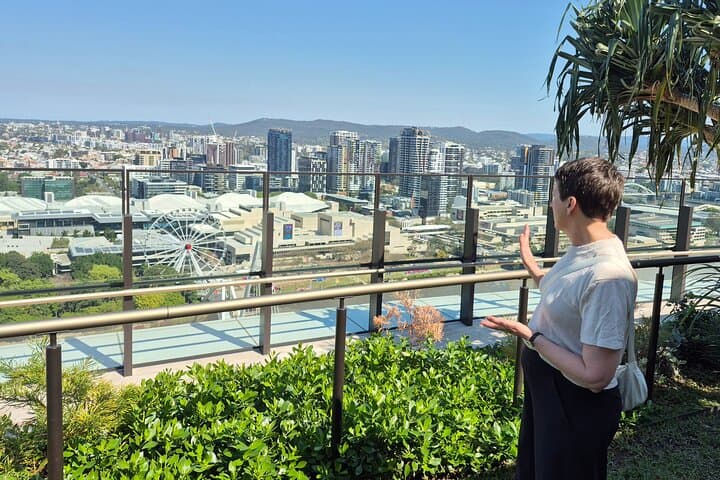
Morning light slides off the Brisbane River as a small group gathers at Queen's Wharf, the city humming beneath the footsteps of history. On this 2.8 km route through the CBD, the guide threads wartime stories into the stone and street grid: blackout regulations, US servicemen on leave, and the sharp commands that once flowed from a general's office.
Verified experiences and guided adventures in the surrounding area.
Operated by Brisbane Unexpected · Brisbane, Queensland
Morning light slides off the Brisbane River as a small group gathers at Queen's Wharf, the city humming beneath the footsteps of history. On this 2.8 km route through the CBD, the guide threads wartime stories into the stone and street grid: blackout regulations, US servicemen on leave, and the sharp commands that once flowed from a general's office.
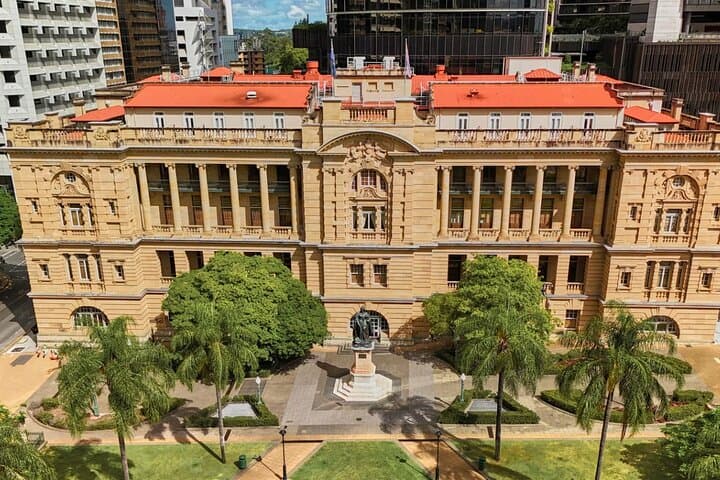
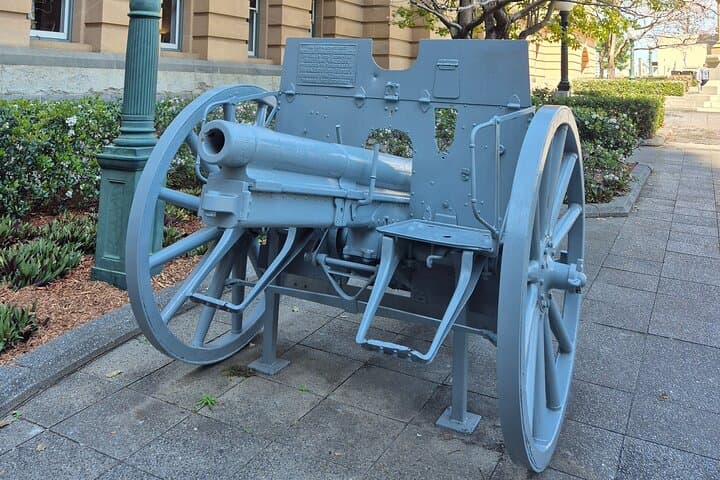
Brisbane's war role is concrete and local. In 1942 the city became an Allied logistics and command hub, hosting General Douglas MacArthur and tens of thousands of troops. The walk passes places tied to that history — City Hall's civil defence planning, the site of MacArthur's headquarters, and the intersection remembered as the Battle of Brisbane — each marker set against the city's geology of Brisbane tuff and layered sandstone beneath modern pavement.
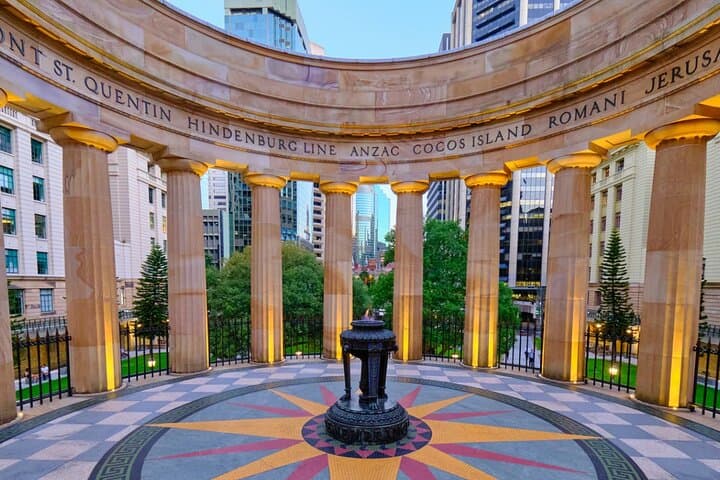
Culturally the tour highlights the uneasy proximity of Australian and American forces and the social life that sprang up in pubs, churches, and makeshift cinemas. It finishes at ANZAC Square, where memorial galleries invite reflection.
Practically, expect 2–3 hours of gentle urban walking with some steps and standing; the route suits participants with moderate fitness and a curiosity for social history. Small-group size (maximum 8) makes questions welcome and photos unobtrusive. Wear supportive shoes, bring water and sun protection, and allow time after the tour to visit the ANZAC galleries or a riverside cafe. The guide will point out plaques and lesser-known corners of the CBD, turning familiar streets into a lived wartime map.
moderate.
2–3 hours.
Moderate fitness; able to walk 2.8 km and stand for short outdoor talks
The tour lasts about 2.5 hours and covers approximately 2.8 kilometres through Brisbane CBD with several short stops.
Yes for most; the route uses paved city streets and includes some steps—moderate mobility is recommended. Contact the operator about accessibility needs.
No entry fees are required; the tour visits public sites and exterior landmarks. ANZAC Square Memorial Galleries can be explored after the tour and may have separate access rules.
Tours may be cancelled in severe weather. Light rain usually proceeds—bring a rain jacket. Check cancellation policy for refunds if the operator cancels.
During WWII Brisbane served as a major Allied command and logistics hub; General MacArthur used the city as his Pacific headquarters and tensions culminated in the 1942 Battle of Brisbane between US and Australian troops.
Respect memorials and heritage façades by staying on designated paths and refraining from touching or climbing on monuments; minimizing litter preserves historical sites and public spaces.
Brisbane Unexpected operates guided outdoor trips and adventures with an emphasis on safety, stewardship, and memorable experiences.
Morning light slides off the Brisbane River as a small group gathers at Queen's Wharf, the city humming beneath the footsteps of history. On this 2.8 km route through the CBD, the guide threads wartime stories into the stone and street grid: blackout regulations, US servicemen on leave, and the sharp commands that once flowed from a general's office.
Morning light slides off the Brisbane River as a small group gathers at Queen's Wharf, the city humming beneath the footsteps of history. On this 2.8 km route through the CBD, the guide threads wartime stories into the stone and street grid: blackout regulations, US servicemen on leave, and the sharp commands that once flowed from a general's office.
Brisbane's war role is concrete and local. In 1942 the city became an Allied logistics and command hub, hosting General Douglas MacArthur and tens of thousands of troops. The walk passes places tied to that history — City Hall's civil defence planning, the site of MacArthur's headquarters, and the intersection remembered as the Battle of Brisbane — each marker set against the city's geology of Brisbane tuff and layered sandstone beneath modern pavement.
Culturally the tour highlights the uneasy proximity of Australian and American forces and the social life that sprang up in pubs, churches, and makeshift cinemas. It finishes at ANZAC Square, where memorial galleries invite reflection.
Practically, expect 2–3 hours of gentle urban walking with some steps and standing; the route suits participants with moderate fitness and a curiosity for social history. Small-group size (maximum 8) makes questions welcome and photos unobtrusive. Wear supportive shoes, bring water and sun protection, and allow time after the tour to visit the ANZAC galleries or a riverside cafe. The guide will point out plaques and lesser-known corners of the CBD, turning familiar streets into a lived wartime map.