THE ADVENTURE COLLECTIVE® · Independent discovery and booking for outdoor travel

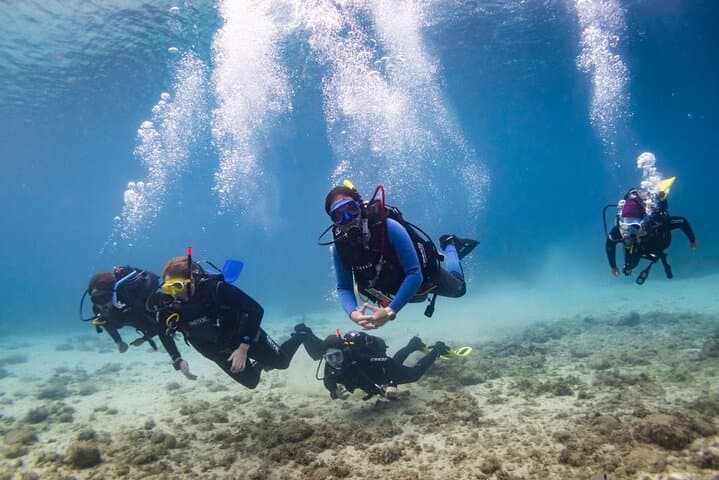
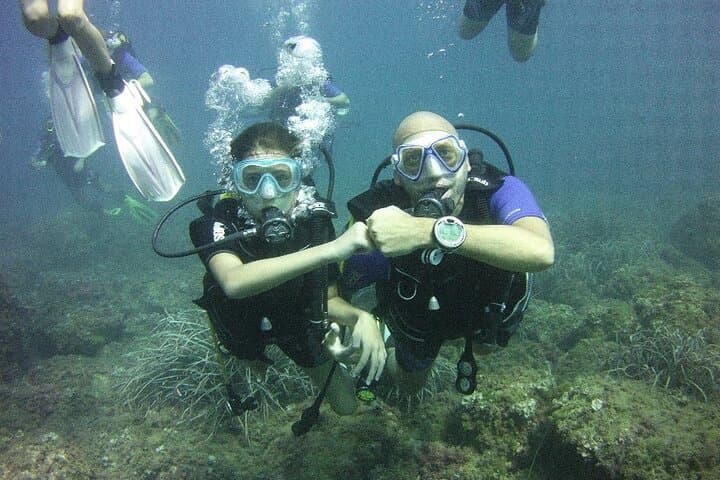
Explore Brindisi Bay on a two-hour guided scuba dive for certified divers—quiet seagrass meadows, rocky outcrops and close encounters with octopus and groupers. Perfect for certified divers seeking easy, guided Mediterranean dives with local knowledge and low-impact practices.
Explore Brindisi Bay on a two-hour guided scuba dive for certified divers—quiet seagrass meadows, rocky outcrops and close encounters with octopus and groupers. Perfect for certified divers seeking easy, guided Mediterranean dives with local knowledge and low-impact practices.
You step off the quay into the salt-washed morning and the boat cuts a low wake across Brindisi’s shallow bay. A guide runs through equipment while the shoreline—Roman stonework, low cliffs and scrub—slides past; beneath the surface, Posidonia meadows and rocky outcrops promise close encounters with octopus, groupers and colorful nudibranchs.
Verified experiences and guided adventures in the surrounding area.
Operated by Apulia Multiadventure · Brindisi, Apulia
You step off the quay into the salt-washed morning and the boat cuts a low wake across Brindisi’s shallow bay. A guide runs through equipment while the shoreline—Roman stonework, low cliffs and scrub—slides past; beneath the surface, Posidonia meadows and rocky outcrops promise close encounters with octopus, groupers and colorful nudibranchs.
This coast has been a maritime gateway since antiquity: Roman anchors and trading routes shaped the harbor while the Apulian limestone shelves and submerged ledges create predictable currents and sheltered pockets where marine life congregates. Geologically simple but biologically rich, the seabeds here alternate between seagrass plains and short vertical walls covered in sponges and small corals, reflecting centuries of human use and a modern turn toward conservation.
Local culture leans on the sea—fishermen still haul nets at dawn and seaside trattorie serve fresh catch—so divers move with a respectful, local rhythm: slow, observant, deliberate. Guides focus on low-impact approaches and pointing out micro-ecosystems rather than chasing big pelagics.
Practical note: sessions run about two hours including briefing and surface transit; dive depths typically range from 10–30 meters depending on the chosen site. Certification card and a short medical confirmation are required; equipment use is included but bring a well-fitted mask and your logbook. Expect calm mornings with best visibility; plan for a wetsuit based on season, carry surface signaling devices and hydrate before you go. The experience is straightforward for any certified open water diver who wants attentive guidance through one of the Adriatic’s quietly rewarding dive areas.
moderate.
2 hours.
Suitable for divers in average cardiovascular fitness; able to handle boat transfers and basic equalization.
Yes — this activity is for certified divers; you must present your certification card at check-in.
Yes — use of basic scuba equipment is included, though many divers prefer to use their own mask or computer.
Dive sites in Brindisi bay commonly range 10–30 meters; visibility varies seasonally but often runs 10–25 meters on calm days.
Not recommended for pregnant travelers or those with significant cardiovascular problems; operators will ask health and weight questions during booking.
Brindisi has been an eastern Mediterranean gateway since Roman times; its harbor shaped trade and naval routes that still influence local maritime culture.
Posidonia seagrass beds are protected and sensitive—avoid finning over them, don’t touch or take marine life, and follow your guide’s low-impact practices to reduce disturbance.
Apulia Multiadventure operates guided outdoor trips and adventures with an emphasis on safety, stewardship, and memorable experiences.
You step off the quay into the salt-washed morning and the boat cuts a low wake across Brindisi’s shallow bay. A guide runs through equipment while the shoreline—Roman stonework, low cliffs and scrub—slides past; beneath the surface, Posidonia meadows and rocky outcrops promise close encounters with octopus, groupers and colorful nudibranchs.
You step off the quay into the salt-washed morning and the boat cuts a low wake across Brindisi’s shallow bay. A guide runs through equipment while the shoreline—Roman stonework, low cliffs and scrub—slides past; beneath the surface, Posidonia meadows and rocky outcrops promise close encounters with octopus, groupers and colorful nudibranchs.
This coast has been a maritime gateway since antiquity: Roman anchors and trading routes shaped the harbor while the Apulian limestone shelves and submerged ledges create predictable currents and sheltered pockets where marine life congregates. Geologically simple but biologically rich, the seabeds here alternate between seagrass plains and short vertical walls covered in sponges and small corals, reflecting centuries of human use and a modern turn toward conservation.
Local culture leans on the sea—fishermen still haul nets at dawn and seaside trattorie serve fresh catch—so divers move with a respectful, local rhythm: slow, observant, deliberate. Guides focus on low-impact approaches and pointing out micro-ecosystems rather than chasing big pelagics.
Practical note: sessions run about two hours including briefing and surface transit; dive depths typically range from 10–30 meters depending on the chosen site. Certification card and a short medical confirmation are required; equipment use is included but bring a well-fitted mask and your logbook. Expect calm mornings with best visibility; plan for a wetsuit based on season, carry surface signaling devices and hydrate before you go. The experience is straightforward for any certified open water diver who wants attentive guidance through one of the Adriatic’s quietly rewarding dive areas.