THE ADVENTURE COLLECTIVE® · Independent discovery and booking for outdoor travel

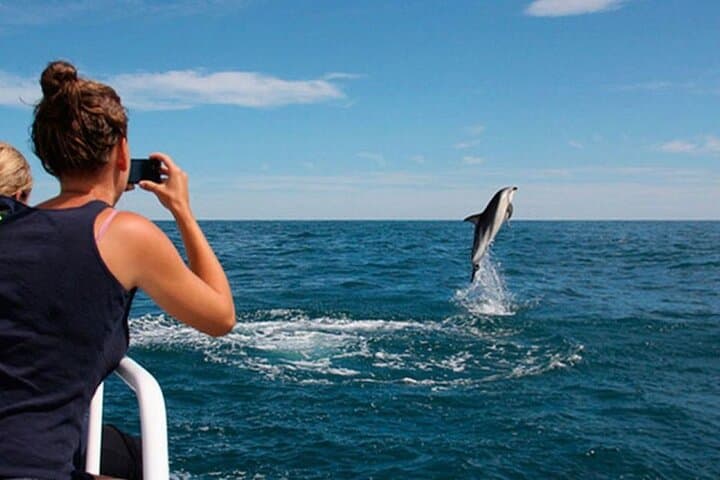
Cruise from Pula to Brijuni National Park for a guided island circuit, lunch, and a long beach stop on St. Jerolim. Watch for bottlenose dolphins, explore Roman and 20th-century sites, and swim in sheltered Adriatic coves.
Cruise from Pula to Brijuni National Park for a guided island circuit, lunch, and a long beach stop on St. Jerolim. Watch for bottlenose dolphins, explore Roman and 20th-century sites, and swim in sheltered Adriatic coves.
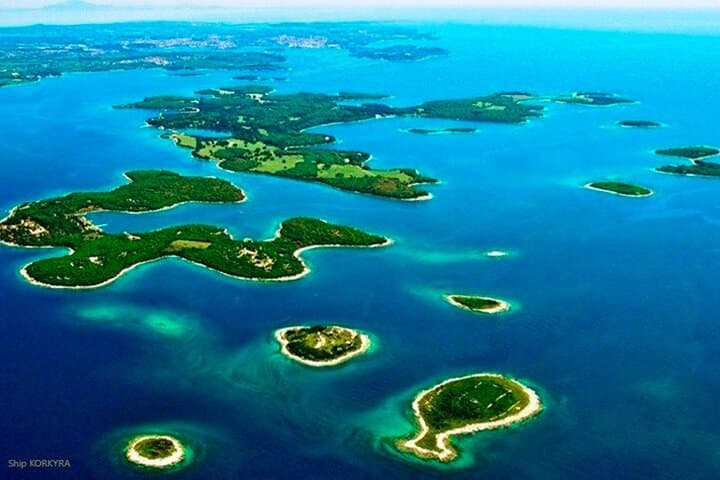
The morning slips out of Pula harbor with the thud of a boat cleaving Adriatic glass; gulls wheel and the coastline of Istria slides astern. Onboard, the guide sketches the itinerary as the captain trims for the channel toward the Brijuni archipelago — a cluster of low limestone islands where pine-scented wind and open sea meet.
Verified experiences and guided adventures in the surrounding area.
Operated by PECO TOURS · Pula, Istria
The morning slips out of Pula harbor with the thud of a boat cleaving Adriatic glass; gulls wheel and the coastline of Istria slides astern. Onboard, the guide sketches the itinerary as the captain trims for the channel toward the Brijuni archipelago — a cluster of low limestone islands where pine-scented wind and open sea meet.
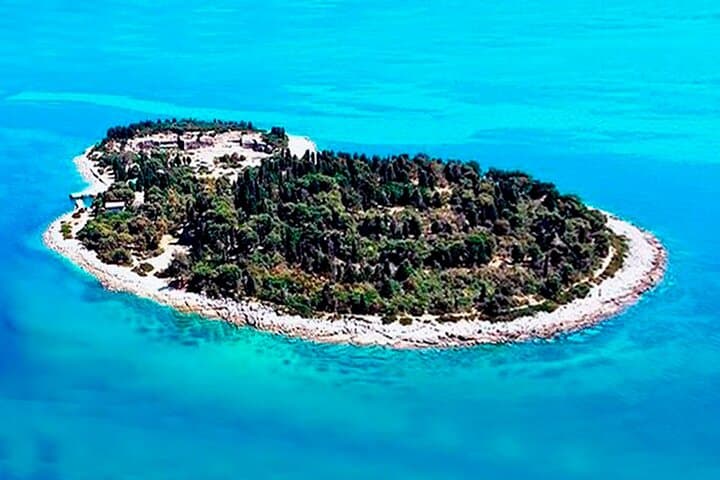
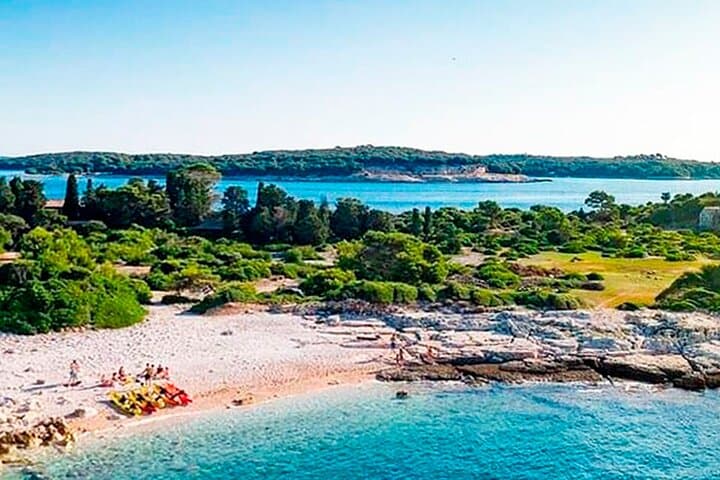
Brijuni’s islands carry layers of human history: Roman villas and mosaics, Austro-Hungarian seaside estates, and the mid-20th-century traces of Josip Broz Tito’s summer estate. Geologically the isles are karstic limestone, sculpted into small coves and shallow reefs that draw fish — and, often, pods of bottlenose dolphins that follow feeding grounds close to passing boats. The islands have been a protected park since the 1980s, and visitors move between maritime viewpoints, the safari park, and small beaches like St. Jerolim’s pebble bays.
The day includes a shipboard Mediterranean lunch of grilled fish or meat, unlimited soft drinks and white wine, a guided circumnavigation of the archipelago, and a 2.5-hour stop on St. Jerolim to swim and sun. Expect easy walking on uneven paths where shaded pines meet exposed rock; sun and wind are active players, and the sea often offers a cooling counterpoint.
Practical tips: book morning departures for calmer seas and wildlife chances, bring reef-safe sunscreen, and wear shoes with grip for short walks on rocky terrain. If you plan to swim, carry a dry bag and towel; the boat returns to Pula in the late afternoon, often passing the Roman Arena on approach — a final reminder of Istria’s layered coastline.
easy.
5–6 hours.
Suitable for most fitness levels — involves short, easy walks and periods of standing on deck.
Yes — the itinerary includes a 2.5-hour stop at St. Jerolim where you can swim from rocky and pebble beaches; bring swimwear and a towel.
Yes — the tour provides a Mediterranean lunch (fish, meat, or vegetarian) and unlimited soft drinks plus white wine as described in the inclusions.
The operator notes stroller access on board and short walks, but rocky island paths are better navigated with older children or carriers for infants.
The cruise departs from Pula harbor and returns there; the return route often passes the Roman Arena, offering a coastal glimpse of the city.
Brijuni islands have been occupied since Roman times and later became a preferred summer residence for Yugoslav leader Josip Broz Tito, leaving villas and cultural layers to explore.
As a national park, Brijuni restricts anchoring and enforces visitor guidelines to protect marine habitats — stick to marked paths, avoid litter, and choose reef-safe products.
PECO TOURS operates guided outdoor trips and adventures with an emphasis on safety, stewardship, and memorable experiences.
The morning slips out of Pula harbor with the thud of a boat cleaving Adriatic glass; gulls wheel and the coastline of Istria slides astern. Onboard, the guide sketches the itinerary as the captain trims for the channel toward the Brijuni archipelago — a cluster of low limestone islands where pine-scented wind and open sea meet.
The morning slips out of Pula harbor with the thud of a boat cleaving Adriatic glass; gulls wheel and the coastline of Istria slides astern. Onboard, the guide sketches the itinerary as the captain trims for the channel toward the Brijuni archipelago — a cluster of low limestone islands where pine-scented wind and open sea meet.
Brijuni’s islands carry layers of human history: Roman villas and mosaics, Austro-Hungarian seaside estates, and the mid-20th-century traces of Josip Broz Tito’s summer estate. Geologically the isles are karstic limestone, sculpted into small coves and shallow reefs that draw fish — and, often, pods of bottlenose dolphins that follow feeding grounds close to passing boats. The islands have been a protected park since the 1980s, and visitors move between maritime viewpoints, the safari park, and small beaches like St. Jerolim’s pebble bays.
The day includes a shipboard Mediterranean lunch of grilled fish or meat, unlimited soft drinks and white wine, a guided circumnavigation of the archipelago, and a 2.5-hour stop on St. Jerolim to swim and sun. Expect easy walking on uneven paths where shaded pines meet exposed rock; sun and wind are active players, and the sea often offers a cooling counterpoint.
Practical tips: book morning departures for calmer seas and wildlife chances, bring reef-safe sunscreen, and wear shoes with grip for short walks on rocky terrain. If you plan to swim, carry a dry bag and towel; the boat returns to Pula in the late afternoon, often passing the Roman Arena on approach — a final reminder of Istria’s layered coastline.