THE ADVENTURE COLLECTIVE® · Independent discovery and booking for outdoor travel

Descend into Brihuega’s hand-dug Arab tunnels, stroll seasonal lavender fields, and take in hilltop fortresses on this full-day private trip from Madrid. Practical tips and seasonal timing help you choose the best day to go.
Descend into Brihuega’s hand-dug Arab tunnels, stroll seasonal lavender fields, and take in hilltop fortresses on this full-day private trip from Madrid. Practical tips and seasonal timing help you choose the best day to go.
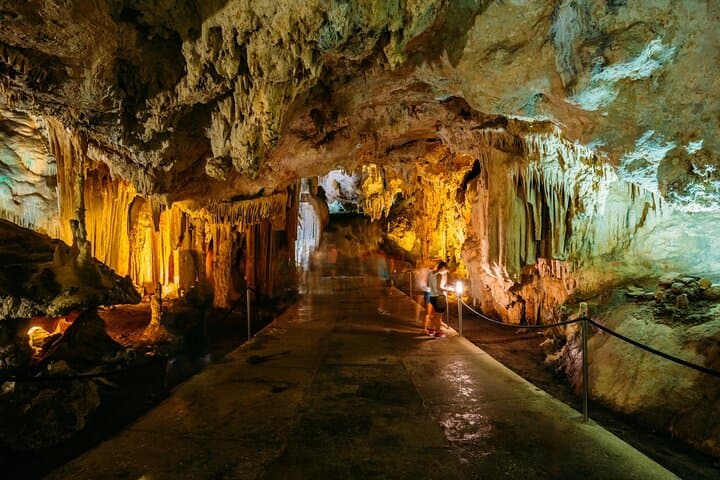
You step off the coach into a cool, 12°C breath of stone: the entrance to Brihuega’s Arab tunnels, where hand-dug galleries stretch beneath the town like a quiet city of memory. Light filters along timeworn walls; the air tastes faintly of earth and old wine cellars. Above, the Alcarria plains roll toward serrated castle silhouettes.
Verified experiences and guided adventures in the surrounding area.
Operated by BARCELONA LANDS · Brihuega, Guadalajara
You step off the coach into a cool, 12°C breath of stone: the entrance to Brihuega’s Arab tunnels, where hand-dug galleries stretch beneath the town like a quiet city of memory. Light filters along timeworn walls; the air tastes faintly of earth and old wine cellars. Above, the Alcarria plains roll toward serrated castle silhouettes.
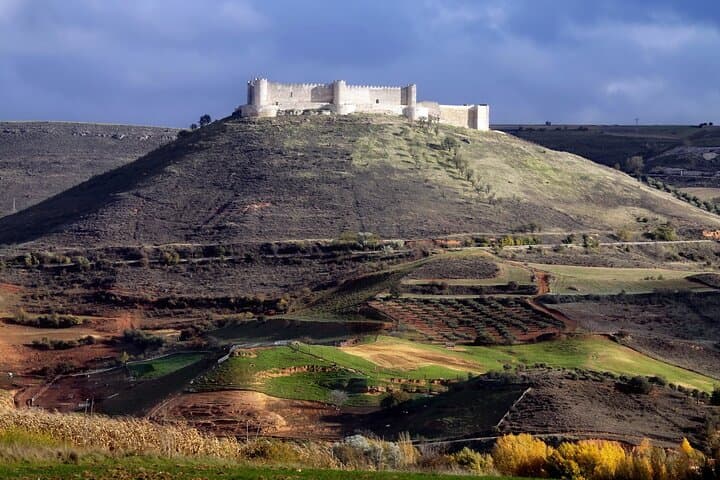
The tunnels date from the 10th–11th centuries, built for refuge and storage during Islamic rule. The region’s geology—limestone plateaus and river-cut valleys—made both caves and hilltop fortresses practical defensive features. Later, 15th-century strongholds in Jadraque and Torija asserted control over the Henares valley; today their crenellations read as straightforward military logic rather than romance.
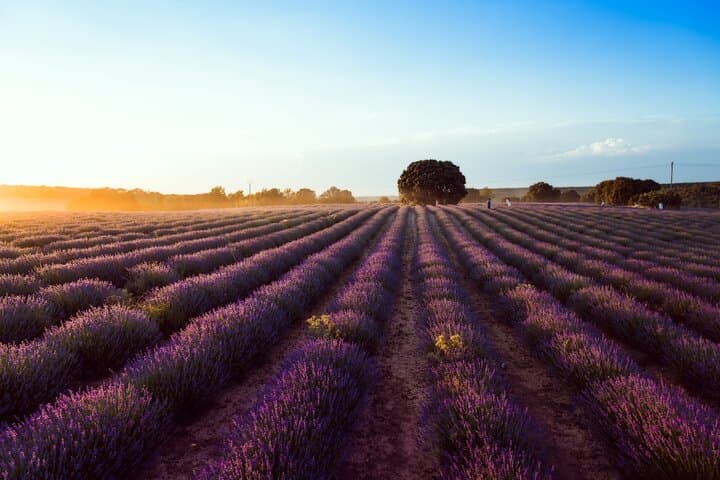
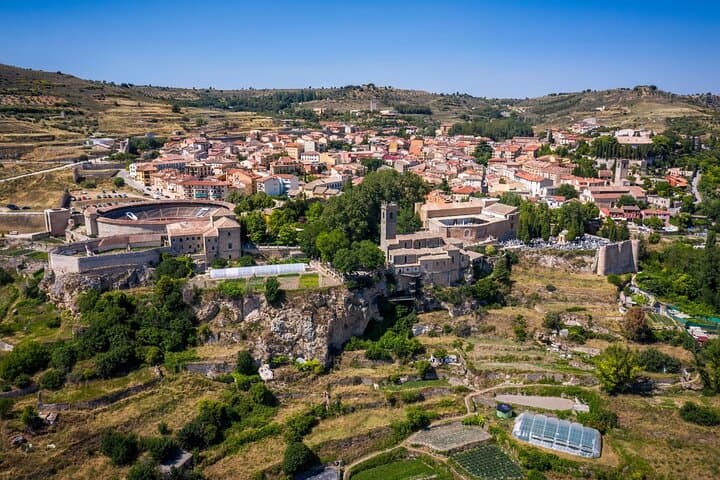
Seasonally, Brihuega’s lavender fields interrupt the stone palette with a broad violet thumbprint, drawing photographers and beekeepers alike. Civica, carved along the Tajuña River, shows how people adapted homes to rock and spring lines: semi-troglodyte dwellings, springs, and small bridges demand slow stepping and attentive eyes.
Practical guidance: this is a full-day private tour (≈10 hours) with private transfers from Madrid—expect roughly 1–1.5 hours driving each way. The underground sections are cool and uneven; wear closed-toe shoes and a light layer. Bring water, sun protection for field stops, and a camera with a stabilizer for low-light tunnel photos. Lavender is best in bloom late June–early July; if that’s your aim, book early.
The route balances short walks with seated transfers, making it accessible for most fitness levels while delivering concentrated slices of Spain’s interior history and landscape.
easy.
10 hours.
Suitable for most fitness levels; involves short walks and standing during site visits, minimal elevation gain.
Lavender typically blooms from late June through early July; exact timing varies with season and rainfall—check local updates before booking.
The underground galleries include uneven steps and narrow passages; short children with good mobility can participate, but strollers won’t fit the tunnels—carry children where needed.
The tour itinerary includes guided visits to the Arab tunnels and some castles; check your booking details for specific admission inclusions.
Expect about 1 to 1.5 hours each way depending on traffic; the full experience is a roughly 10-hour day trip with several stops.
Brihuega’s Arab tunnels were hand-excavated in the 10th–11th centuries for refuge and storage; nearby castles were rebuilt in the 15th century to control valley routes.
Respect flowering fields by staying on designated paths during bloom to protect roots and avoid trampling; support local producers to sustain traditional land uses.
BARCELONA LANDS operates guided outdoor trips and adventures with an emphasis on safety, stewardship, and memorable experiences.
You step off the coach into a cool, 12°C breath of stone: the entrance to Brihuega’s Arab tunnels, where hand-dug galleries stretch beneath the town like a quiet city of memory. Light filters along timeworn walls; the air tastes faintly of earth and old wine cellars. Above, the Alcarria plains roll toward serrated castle silhouettes.
You step off the coach into a cool, 12°C breath of stone: the entrance to Brihuega’s Arab tunnels, where hand-dug galleries stretch beneath the town like a quiet city of memory. Light filters along timeworn walls; the air tastes faintly of earth and old wine cellars. Above, the Alcarria plains roll toward serrated castle silhouettes.
The tunnels date from the 10th–11th centuries, built for refuge and storage during Islamic rule. The region’s geology—limestone plateaus and river-cut valleys—made both caves and hilltop fortresses practical defensive features. Later, 15th-century strongholds in Jadraque and Torija asserted control over the Henares valley; today their crenellations read as straightforward military logic rather than romance.
Seasonally, Brihuega’s lavender fields interrupt the stone palette with a broad violet thumbprint, drawing photographers and beekeepers alike. Civica, carved along the Tajuña River, shows how people adapted homes to rock and spring lines: semi-troglodyte dwellings, springs, and small bridges demand slow stepping and attentive eyes.
Practical guidance: this is a full-day private tour (≈10 hours) with private transfers from Madrid—expect roughly 1–1.5 hours driving each way. The underground sections are cool and uneven; wear closed-toe shoes and a light layer. Bring water, sun protection for field stops, and a camera with a stabilizer for low-light tunnel photos. Lavender is best in bloom late June–early July; if that’s your aim, book early.
The route balances short walks with seated transfers, making it accessible for most fitness levels while delivering concentrated slices of Spain’s interior history and landscape.