THE ADVENTURE COLLECTIVE® · Independent discovery and booking for outdoor travel

Explore Brighton from Victorian station façades to the Royal Pavilion’s onion domes on a 60–90 minute self-guided audio walk. Discover how a fishing village became a center of Regency spectacle and Mod-era rebellion while moving at your own pace.
Explore Brighton from Victorian station façades to the Royal Pavilion’s onion domes on a 60–90 minute self-guided audio walk. Discover how a fishing village became a center of Regency spectacle and Mod-era rebellion while moving at your own pace.
You step out of Brighton Station into a line of Victorian ironwork and the tang of salt on the air—train smoke replaced by the distant hiss of the Channel daring you toward the seafront. The route threads through North Laine’s jam-packed lanes where painted shopfronts and record stores jostle for attention, then opens onto the onion domes and gilt interiors of the Royal Pavilion, a flash of imperial excess in a compact seaside city.
Verified experiences and guided adventures in the surrounding area.
Operated by VoiceMap Audio Tours · Brighton, East Sussex
You step out of Brighton Station into a line of Victorian ironwork and the tang of salt on the air—train smoke replaced by the distant hiss of the Channel daring you toward the seafront. The route threads through North Laine’s jam-packed lanes where painted shopfronts and record stores jostle for attention, then opens onto the onion domes and gilt interiors of the Royal Pavilion, a flash of imperial excess in a compact seaside city.
Brighton’s story moves fast: a fishing village called Brighthelmstone, a Georgian resort refashioned by the Prince Regent, then a swinging 1960s hub that inspired Quadrophenia. Geologically the pebble beach and chalk cliffs of the Sussex coast have shaped trade, leisure, and the town’s silhouette; culture here prizes eccentricity, live music, and independent retail.
Practical guidance is simple. The self-guided audio app provides geodata and offline maps—follow the waypoints at your own pace, expect 60–90 minutes on largely flat pavements, and allow extra time for coffee and galleries. Wear cushioning shoes for cobbles, bring a light waterproof—sea spray and sudden showers are common—and a charged phone for GPS playback. Peak summer afternoons fill the promenade and The Lanes; early morning or late afternoon offers clearer light and fewer crowds.
This walk balances history with street-level culture: read plaques at the West Pier remains, pause for a seaside view, then dive into North Laine’s independent scene. It’s an accessible, richly textured introduction to Brighton for first-time visitors and returning city wanderers alike.
easy.
60–90 minutes.
Suitable for most fitness levels; requires mobility for standing and short walking bursts.
Plan 60–90 minutes for the base route; allow extra time for museums, cafés, or shopping detours.
It begins at Brighton Station and finishes near the West Pier remains on the seafront; the audio app provides exact start-point directions.
Most streets and the seafront are accessible, though some narrow lanes and cobbles can be uneven—strollers and wheelchairs should be manageable but expect occasional bumps.
No—download the app’s offline audio and maps in advance to run the tour without mobile data.
Brighton expanded rapidly in the late 18th–19th centuries after the Prince Regent popularized sea-bathing; the Royal Pavilion encapsulates that era’s taste for exotic architecture.
Coastal infrastructure and the West Pier remains are sensitive—stay on designated paths, avoid climbing historic ruins, and follow local litter and recycling rules to reduce visitor impact.
VoiceMap Audio Tours operates guided outdoor trips and adventures with an emphasis on safety, stewardship, and memorable experiences.
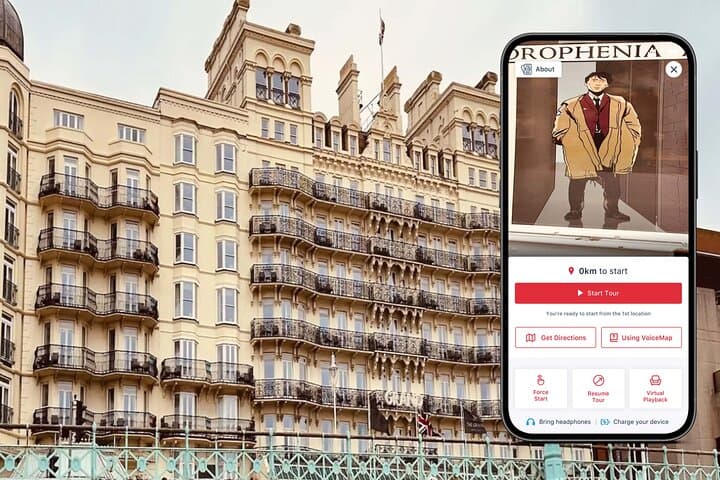
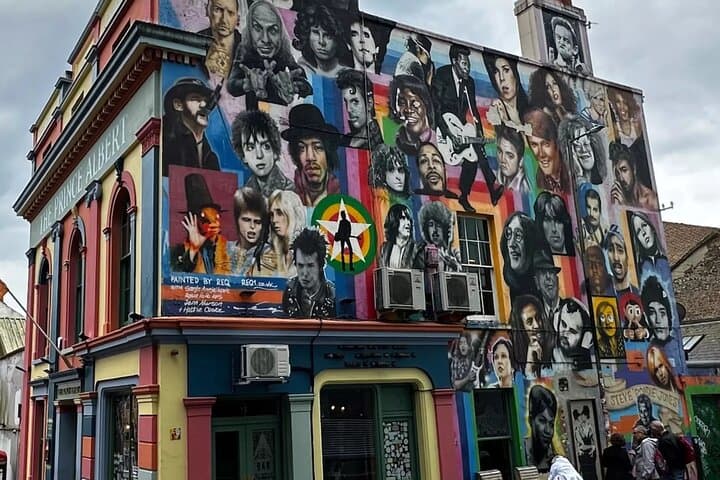
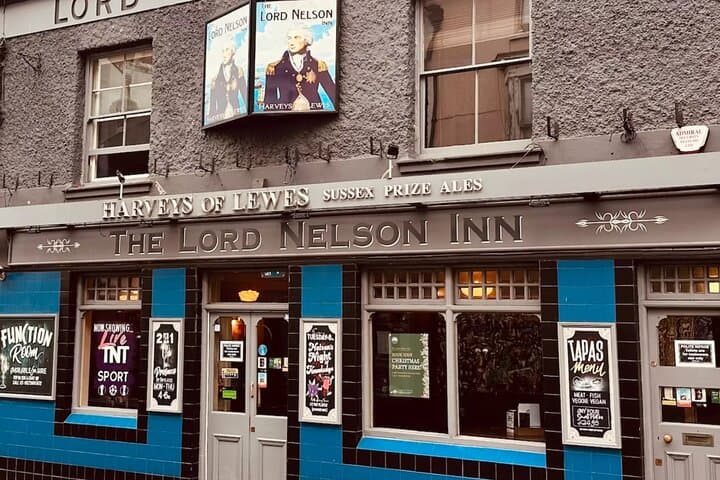
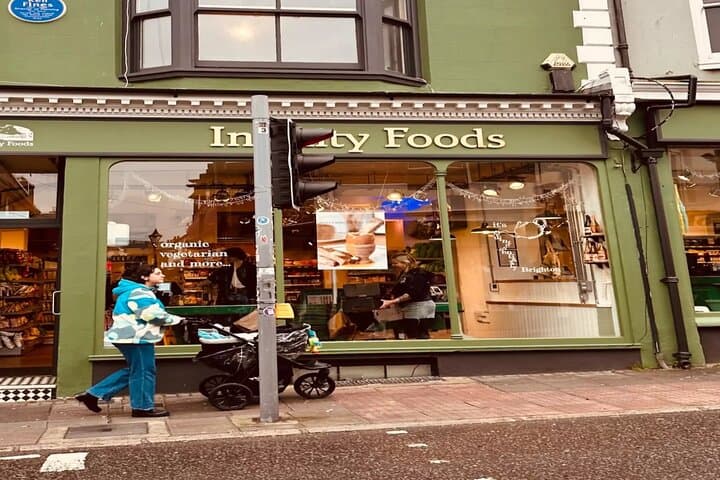
You step out of Brighton Station into a line of Victorian ironwork and the tang of salt on the air—train smoke replaced by the distant hiss of the Channel daring you toward the seafront. The route threads through North Laine’s jam-packed lanes where painted shopfronts and record stores jostle for attention, then opens onto the onion domes and gilt interiors of the Royal Pavilion, a flash of imperial excess in a compact seaside city.
You step out of Brighton Station into a line of Victorian ironwork and the tang of salt on the air—train smoke replaced by the distant hiss of the Channel daring you toward the seafront. The route threads through North Laine’s jam-packed lanes where painted shopfronts and record stores jostle for attention, then opens onto the onion domes and gilt interiors of the Royal Pavilion, a flash of imperial excess in a compact seaside city.
Brighton’s story moves fast: a fishing village called Brighthelmstone, a Georgian resort refashioned by the Prince Regent, then a swinging 1960s hub that inspired Quadrophenia. Geologically the pebble beach and chalk cliffs of the Sussex coast have shaped trade, leisure, and the town’s silhouette; culture here prizes eccentricity, live music, and independent retail.
Practical guidance is simple. The self-guided audio app provides geodata and offline maps—follow the waypoints at your own pace, expect 60–90 minutes on largely flat pavements, and allow extra time for coffee and galleries. Wear cushioning shoes for cobbles, bring a light waterproof—sea spray and sudden showers are common—and a charged phone for GPS playback. Peak summer afternoons fill the promenade and The Lanes; early morning or late afternoon offers clearer light and fewer crowds.
This walk balances history with street-level culture: read plaques at the West Pier remains, pause for a seaside view, then dive into North Laine’s independent scene. It’s an accessible, richly textured introduction to Brighton for first-time visitors and returning city wanderers alike.