THE ADVENTURE COLLECTIVE® · Independent discovery and booking for outdoor travel

Explore Brighton with a local who adapts the route to your interests—Regency architecture, tucked-away lanes, pebble beaches, and seaside culture. Choose 2–6 hours to match your curiosity and discover parts of the city many visitors miss.
Explore Brighton with a local who adapts the route to your interests—Regency architecture, tucked-away lanes, pebble beaches, and seaside culture. Choose 2–6 hours to match your curiosity and discover parts of the city many visitors miss.
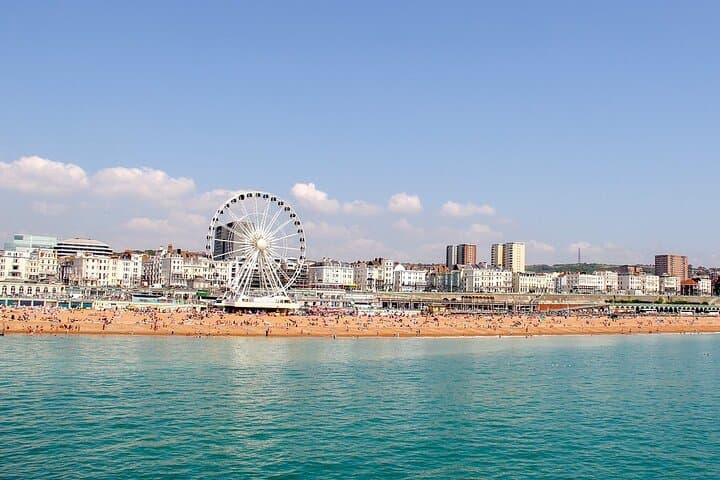
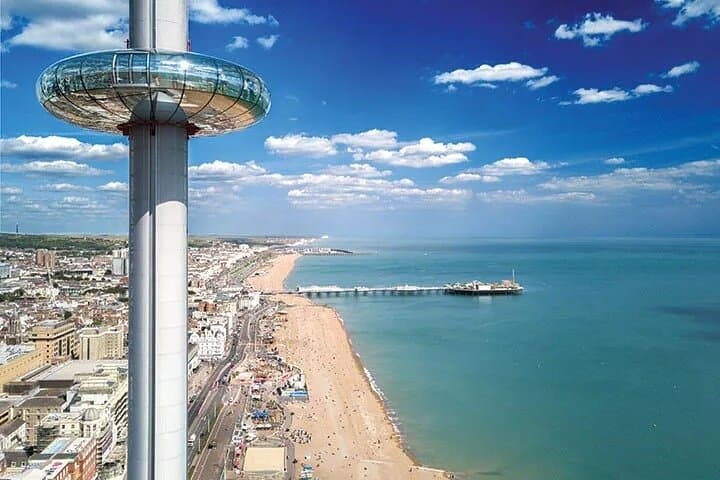
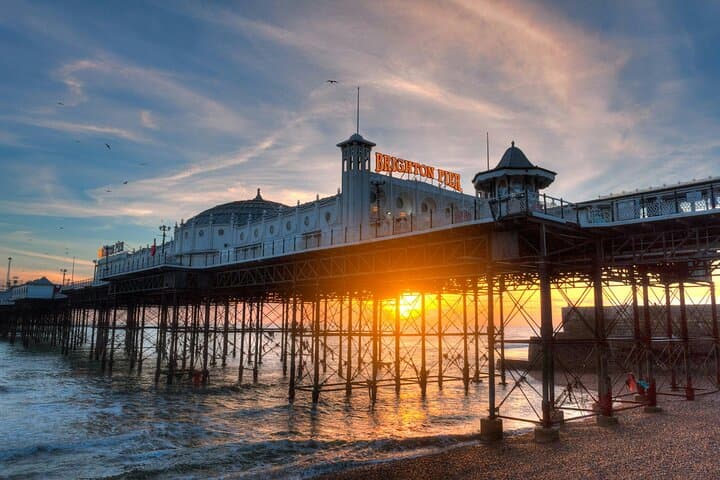
The sea breeze hits first—briny and sharp—pulling you toward a pebble shore where the skeleton of the West Pier juts into view. From here a local guide threads you through the city: past Regency façades, through tight lanes of independent shops, and along promenades where carousel music and gull calls compete for attention.
Verified experiences and guided adventures in the surrounding area.
Operated by Humrahe · Brighton, East Sussex
The sea breeze hits first—briny and sharp—pulling you toward a pebble shore where the skeleton of the West Pier juts into view. From here a local guide threads you through the city: past Regency façades, through tight lanes of independent shops, and along promenades where carousel music and gull calls compete for attention.
Brighton grew from a fishing village into a fashionable Georgian escape after the Prince Regent popularized sea-bathing in the early 1800s; the Royal Pavilion’s onion domes and exotic interiors are a visible legacy of that era. Geologically the town sits at the edge of the South Downs chalk escarpment, its shoreline defined by flint and rounded pebbles rather than sand.
Culture in Brighton is lively and diverse—street musicians in the Lanes, a prominent LGBTQ+ scene around Kemptown, and a thriving independent arts community. Your private walk can focus on architecture and history, coastal views and marine life, or offbeat culture and food—your guide tailors the route to your interests.
Practical guidance: choose 2–6 hours depending on how deep you want to go; most urban walking sections are flat but pebble beaches and pier access can be uneven. Comfortable, waterproof footwear and a light layer for windy days are sensible. Morning walks avoid crowds and catch soft light on the Pavilion; late afternoon brings sunset over the English Channel. The tour is wheelchair- and stroller-friendly on many sections, but check with your provider about pier access and specific streets. Bring a reusable water bottle, an Oyster or contactless card for transport if arriving by train, and a charged phone for photos and local recommendations.
easy.
2-6 hours.
Suitable for most ability levels; requires standing and walking up to several miles with short stops.
The tour is flexible—typically 2 to 6 hours depending on your chosen itinerary and pace.
Many sections including the seafront and major streets are accessible, but check with the operator about specific stops and pier access.
Yes—this private tour is tailored to your interests, whether architecture, food, history, or a coastal walk.
Language availability varies by guide—confirm when booking to ensure your preferred language is offered.
Brighton expanded rapidly in the late 18th and early 19th centuries as seaside bathing and Regency fashion turned it into a resort; the Royal Pavilion reflects that royal patronage and exotic tastes.
Coastal erosion and beach management are active concerns; visitors are encouraged to minimize litter, avoid disturbing wildlife, and use refill stations to reduce single-use plastics.
Humrahe operates guided outdoor trips and adventures with an emphasis on safety, stewardship, and memorable experiences.
The sea breeze hits first—briny and sharp—pulling you toward a pebble shore where the skeleton of the West Pier juts into view. From here a local guide threads you through the city: past Regency façades, through tight lanes of independent shops, and along promenades where carousel music and gull calls compete for attention.
The sea breeze hits first—briny and sharp—pulling you toward a pebble shore where the skeleton of the West Pier juts into view. From here a local guide threads you through the city: past Regency façades, through tight lanes of independent shops, and along promenades where carousel music and gull calls compete for attention.
Brighton grew from a fishing village into a fashionable Georgian escape after the Prince Regent popularized sea-bathing in the early 1800s; the Royal Pavilion’s onion domes and exotic interiors are a visible legacy of that era. Geologically the town sits at the edge of the South Downs chalk escarpment, its shoreline defined by flint and rounded pebbles rather than sand.
Culture in Brighton is lively and diverse—street musicians in the Lanes, a prominent LGBTQ+ scene around Kemptown, and a thriving independent arts community. Your private walk can focus on architecture and history, coastal views and marine life, or offbeat culture and food—your guide tailors the route to your interests.
Practical guidance: choose 2–6 hours depending on how deep you want to go; most urban walking sections are flat but pebble beaches and pier access can be uneven. Comfortable, waterproof footwear and a light layer for windy days are sensible. Morning walks avoid crowds and catch soft light on the Pavilion; late afternoon brings sunset over the English Channel. The tour is wheelchair- and stroller-friendly on many sections, but check with your provider about pier access and specific streets. Bring a reusable water bottle, an Oyster or contactless card for transport if arriving by train, and a charged phone for photos and local recommendations.