THE ADVENTURE COLLECTIVE® · Independent discovery and booking for outdoor travel

Walk the 30-acre Garrison Savannah and explore Barbados’ best-preserved military sites on a two-hour guided tour. See rare iron cannons, the Main Guard and the Barbados Museum while learning about the site's colonial role and surprising limestone tunnels.
Walk the 30-acre Garrison Savannah and explore Barbados’ best-preserved military sites on a two-hour guided tour. See rare iron cannons, the Main Guard and the Barbados Museum while learning about the site's colonial role and surprising limestone tunnels.
The tour opens on the broad sweep of the Garrison Savannah, the warm Atlantic light cutting across 30 acres of grass where horses once trained and soldiers drilled. You step under the shade of Fustic trees, the breeze from Carlisle Bay nudging the guide’s commentary forward, and the past begins to speak through stone and iron.
Verified experiences and guided adventures in the surrounding area.
Operated by Ruthann Discovery Tours · Bridgetown, Saint Michael
The tour opens on the broad sweep of the Garrison Savannah, the warm Atlantic light cutting across 30 acres of grass where horses once trained and soldiers drilled. You step under the shade of Fustic trees, the breeze from Carlisle Bay nudging the guide’s commentary forward, and the past begins to speak through stone and iron.
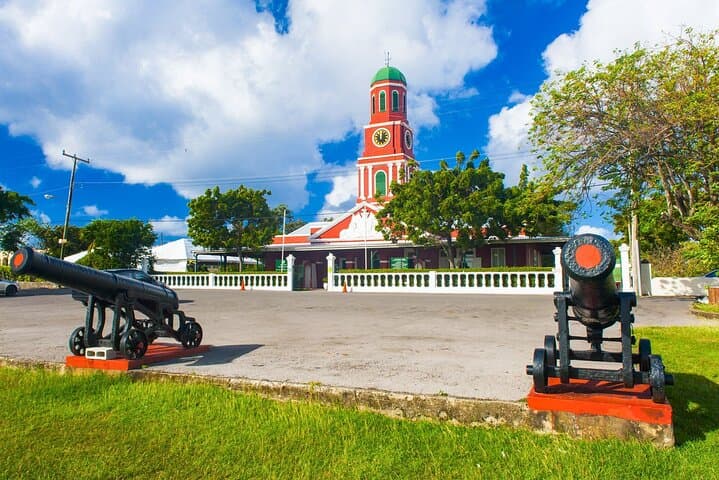
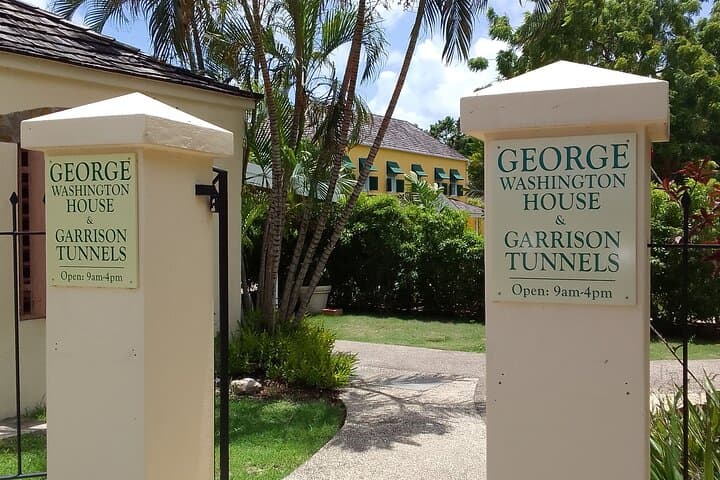
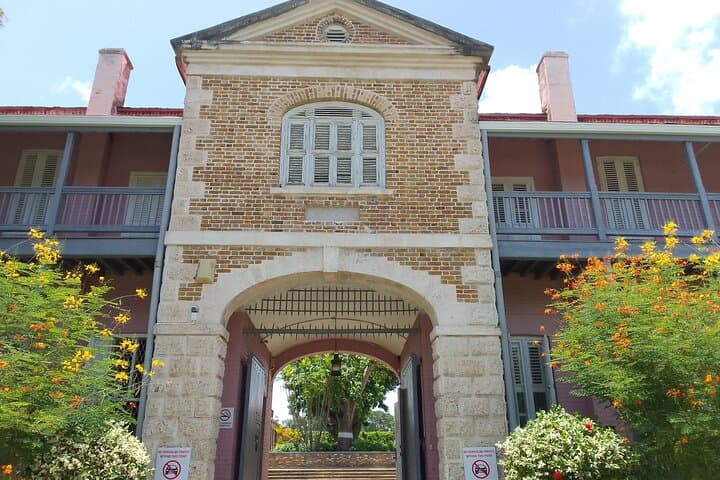
This UNESCO-designated precinct carried the British West Indies Regiment through the 18th and 19th centuries; the Main Guard (1804), Drill Hall (1700) and rows of iron cannons still point to an era of strategic importance. The brick former military prison now houses the Barbados Museum, where a reconstructed cell and curated displays outline life in colonial Barbados. The George Washington House nearby recalls an 18th-century visit by the future American leader. Limestone here tells its own story — caves and tunnels cut through ancient beds and, in 2011, revealed a network beneath the garrison that hints at defensive and service uses.
Practical guidance: this is a mostly flat, urban walking tour of about two hours with short stops for photos and optional paid entries. Wear sturdy walking shoes, bring sun protection, and carry water even if bottled water is provided. Expect paved paths, grassy paddocks, and some uneven stone surfaces in and around museum buildings. Midday heat is strongest from late morning to mid-afternoon; schedule mornings for cooler temperatures and fuller light for photographs.
Respect the site: stay on marked paths, avoid climbing on cannon emplacements, and support local guides who keep the history alive.
easy.
2 hours.
Moderate - comfortable walking ability, able to stand for short periods and manage stairs in museum areas.
The guided tour runs about two hours with short stops; optional paid entries may extend time on site.
The guide visits the George Washington House exterior and offers context; entry is optional and may have a separate admission fee.
The tunnels were discovered relatively recently and may be accessed optionally; check ahead for availability and any extra charges.
Infants and small children in strollers are accommodated on most paved sections, but some museum areas and tunnels have steps or uneven flooring.
The Garrison was the principal British military base in Barbados through the 18th–19th centuries and hosted regiments of the British West Indies; George Washington stayed nearby in 1751.
Preservation focuses on limiting foot traffic over fragile masonry and protecting landscaped grounds; visitors are asked not to climb historic structures and to follow marked routes.
Ruthann Discovery Tours operates guided outdoor trips and adventures with an emphasis on safety, stewardship, and memorable experiences.
The tour opens on the broad sweep of the Garrison Savannah, the warm Atlantic light cutting across 30 acres of grass where horses once trained and soldiers drilled. You step under the shade of Fustic trees, the breeze from Carlisle Bay nudging the guide’s commentary forward, and the past begins to speak through stone and iron.
The tour opens on the broad sweep of the Garrison Savannah, the warm Atlantic light cutting across 30 acres of grass where horses once trained and soldiers drilled. You step under the shade of Fustic trees, the breeze from Carlisle Bay nudging the guide’s commentary forward, and the past begins to speak through stone and iron.
This UNESCO-designated precinct carried the British West Indies Regiment through the 18th and 19th centuries; the Main Guard (1804), Drill Hall (1700) and rows of iron cannons still point to an era of strategic importance. The brick former military prison now houses the Barbados Museum, where a reconstructed cell and curated displays outline life in colonial Barbados. The George Washington House nearby recalls an 18th-century visit by the future American leader. Limestone here tells its own story — caves and tunnels cut through ancient beds and, in 2011, revealed a network beneath the garrison that hints at defensive and service uses.
Practical guidance: this is a mostly flat, urban walking tour of about two hours with short stops for photos and optional paid entries. Wear sturdy walking shoes, bring sun protection, and carry water even if bottled water is provided. Expect paved paths, grassy paddocks, and some uneven stone surfaces in and around museum buildings. Midday heat is strongest from late morning to mid-afternoon; schedule mornings for cooler temperatures and fuller light for photographs.
Respect the site: stay on marked paths, avoid climbing on cannon emplacements, and support local guides who keep the history alive.