THE ADVENTURE COLLECTIVE® · Independent discovery and booking for outdoor travel

A brisk self-guided audio walk that stitches together Brick Lane’s street art, markets and immigrant histories. Start at Spitalfields Market and let the lane’s walls, smells and stories map a compact East London adventure.
A brisk self-guided audio walk that stitches together Brick Lane’s street art, markets and immigrant histories. Start at Spitalfields Market and let the lane’s walls, smells and stories map a compact East London adventure.
You turn a corner and the wall answers: paste-ups, stencils and new murals crowd the bricks like a running conversation. Morning traders set out tables of spices and samosas; the air folds in cardamom and frying oil. This walk threads through the beating edge of Shoreditch and Spitalfields, where lanes narrow, markets spill over, and history sits in plain sight.
Verified experiences and guided adventures in the surrounding area.
Operated by VoiceMap Audio Tours · London, England
You turn a corner and the wall answers: paste-ups, stencils and new murals crowd the bricks like a running conversation. Morning traders set out tables of spices and samosas; the air folds in cardamom and frying oil. This walk threads through the beating edge of Shoreditch and Spitalfields, where lanes narrow, markets spill over, and history sits in plain sight.
Brick Lane began as a rural lane on London’s clay floodplain and became a factory spine during the 18th and 19th centuries, driven by Huguenot weavers. Later waves of Jewish and Bangladeshi immigrants remade the streets into market stalls, curry houses and tailor shops—each community leaving a visible layer. Beneath it all runs the memory of the buried Walbrook river; above, Georgian terraces and Victorian pubs keep chapter marks of the East End’s working past.
Expect a mix of cobbles, shopping alleys and wide market streets. Highlights include Spitalfields Market’s covered stalls, Ten Bells’ famously creaky barfront, Truman Markets’ food halls and ever-changing murals where Banksy-era pieces share space with new artists.
Practical: the self-guided audio lasts roughly 35–60 minutes but allows stops; start at Spitalfields Market (Aldgate East/Liverpool Street transport links). Wear comfortable shoes for uneven pavement, carry headphones and a charged phone for offline audio, and visit early weekend mornings to avoid crowds. Respect working businesses and private property when photographing art, and budget time for food — Brick Lane’s curry houses are part of the itinerary. With good timing, the route is accessible for strollers and most mobility needs, though some cobbles and busy junctions require care.
easy.
35–60 minutes.
Suitable for most fitness levels—short urban walking with occasional standing at market stalls.
The audio route runs about 35–60 minutes; it’s self-guided so you can pause, linger at markets, or skip sections.
Many streets and Spitalfields Market are accessible, but expect cobbles and some uneven surfaces—check specific sections for slope or step access.
The tour provides offline access to audio, maps and geodata via the app, but download before you arrive to avoid data use.
No admissions are required; the route points out recommended eateries and markets where you can choose to stop and buy food independently.
Brick Lane evolved from rural track to a textile hub for Huguenot weavers, later becoming a center for Jewish and Bangladeshi communities; each wave reshaped markets and cuisine.
Street art here is ephemeral—photograph responsibly, avoid damaging murals, and support local businesses to keep the neighborhood thriving.
VoiceMap Audio Tours operates guided outdoor trips and adventures with an emphasis on safety, stewardship, and memorable experiences.
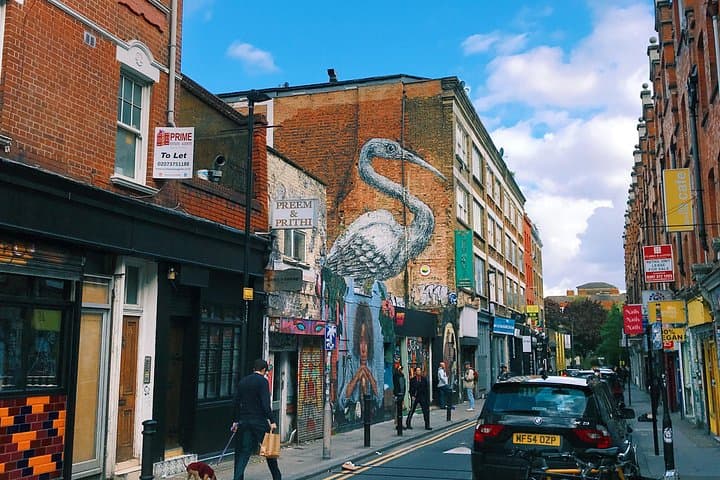
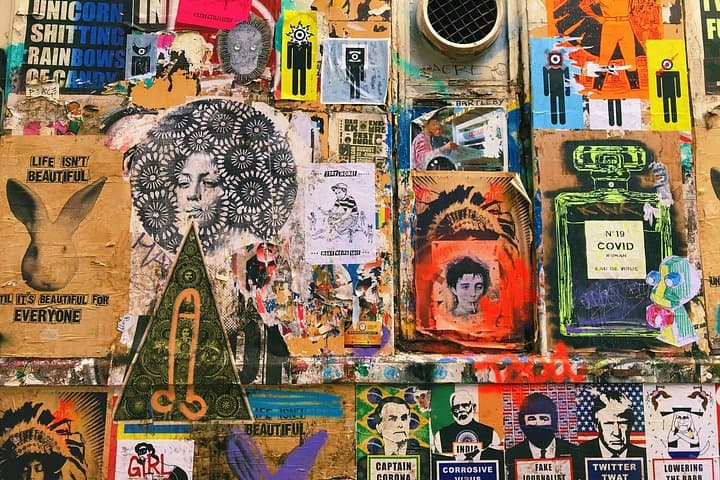
You turn a corner and the wall answers: paste-ups, stencils and new murals crowd the bricks like a running conversation. Morning traders set out tables of spices and samosas; the air folds in cardamom and frying oil. This walk threads through the beating edge of Shoreditch and Spitalfields, where lanes narrow, markets spill over, and history sits in plain sight.
You turn a corner and the wall answers: paste-ups, stencils and new murals crowd the bricks like a running conversation. Morning traders set out tables of spices and samosas; the air folds in cardamom and frying oil. This walk threads through the beating edge of Shoreditch and Spitalfields, where lanes narrow, markets spill over, and history sits in plain sight.
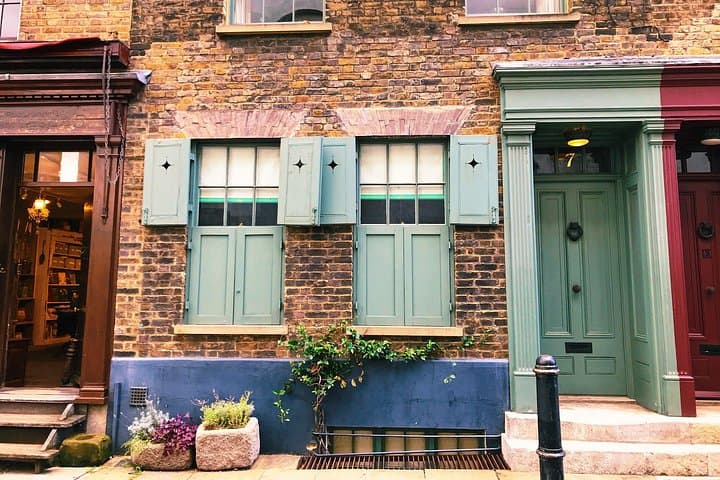
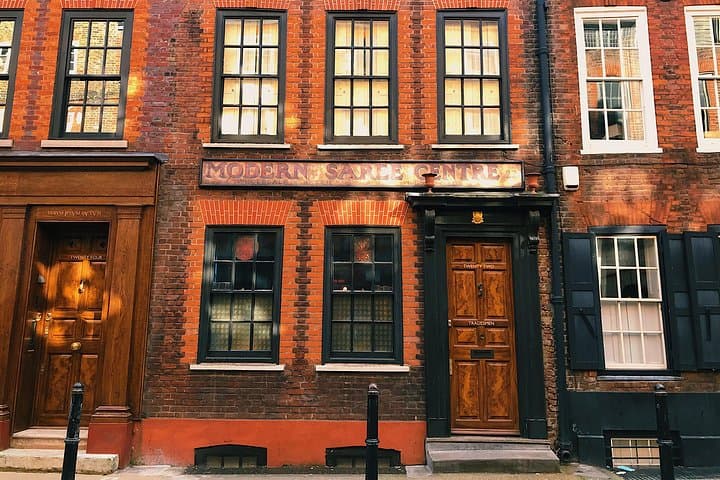
Brick Lane began as a rural lane on London’s clay floodplain and became a factory spine during the 18th and 19th centuries, driven by Huguenot weavers. Later waves of Jewish and Bangladeshi immigrants remade the streets into market stalls, curry houses and tailor shops—each community leaving a visible layer. Beneath it all runs the memory of the buried Walbrook river; above, Georgian terraces and Victorian pubs keep chapter marks of the East End’s working past.
Expect a mix of cobbles, shopping alleys and wide market streets. Highlights include Spitalfields Market’s covered stalls, Ten Bells’ famously creaky barfront, Truman Markets’ food halls and ever-changing murals where Banksy-era pieces share space with new artists.
Practical: the self-guided audio lasts roughly 35–60 minutes but allows stops; start at Spitalfields Market (Aldgate East/Liverpool Street transport links). Wear comfortable shoes for uneven pavement, carry headphones and a charged phone for offline audio, and visit early weekend mornings to avoid crowds. Respect working businesses and private property when photographing art, and budget time for food — Brick Lane’s curry houses are part of the itinerary. With good timing, the route is accessible for strollers and most mobility needs, though some cobbles and busy junctions require care.