THE ADVENTURE COLLECTIVE® · Independent discovery and booking for outdoor travel

Experience a Bribri family’s cacao rituals, taste fresh chocolate made by hand, and cool off beneath a mountain waterfall near Puerto Viejo. This half-day immersion pairs Indigenous cultural learning with a short, scenic swim in the Talamanca foothills.
Experience a Bribri family’s cacao rituals, taste fresh chocolate made by hand, and cool off beneath a mountain waterfall near Puerto Viejo. This half-day immersion pairs Indigenous cultural learning with a short, scenic swim in the Talamanca foothills.
A dusting of morning mist lifts as the van eases out of Puerto Viejo and the road climbs toward Talamanca’s green flank. Guests arrive at a Bribri family compound under a high canopy where the air smells of wet earth and fresh cacao; children’s laughter and the soft percussive beat of mortar and pestle punctuate the lesson.
Verified experiences and guided adventures in the surrounding area.
Operated by Braulio Isaac Vanegas Rojas · Puerto Viejo de Talamanca, Limón
A dusting of morning mist lifts as the van eases out of Puerto Viejo and the road climbs toward Talamanca’s green flank. Guests arrive at a Bribri family compound under a high canopy where the air smells of wet earth and fresh cacao; children’s laughter and the soft percussive beat of mortar and pestle punctuate the lesson.
The Bribri are one of Costa Rica’s Indigenous peoples with deep botanical knowledge and a continuity of cacao cultivation going back centuries. Geologically, the Talamanca range is composed of ancient uplifted rocks that give way to fast, steep streams carving narrow valleys — the same channels that feed mountain waterfalls where guests cool off after the cultural visit.
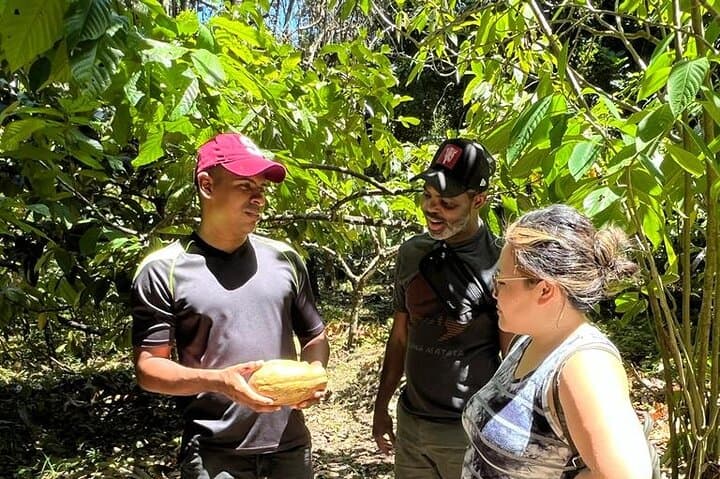
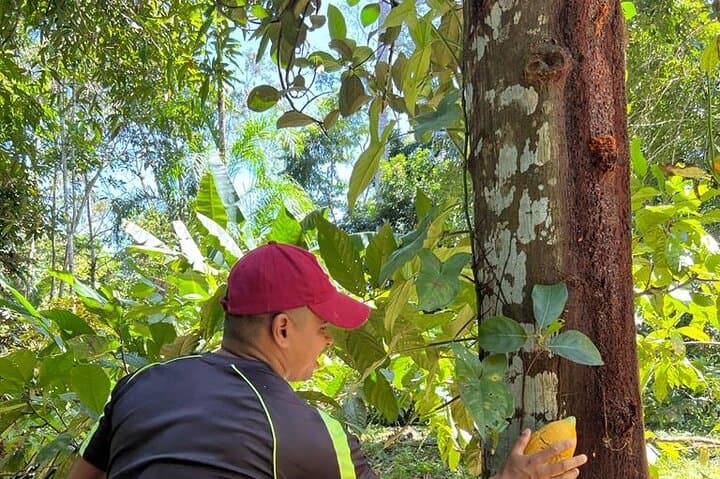
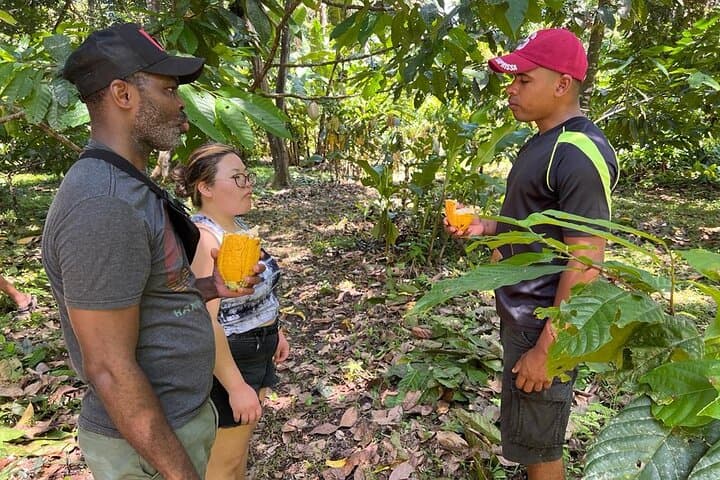
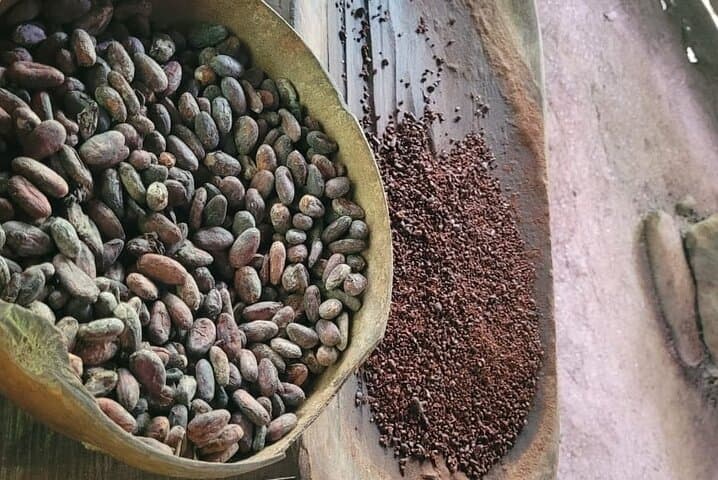
Participants tour a permaculture garden, sample ripe cacao pulp straight from the pod, and join a hands-on session turning beans into traditional chocolate using ancestral methods. The guide frames recipes with stories of medicinal plants and clan practices; the rhythm is practical and communal rather than theatrical.
On the return, the group stops at a nearby waterfall for a swim in a natural pool. The water is brisk — the current playful and insistent — so swimmers should pick their footing and follow local guidance.
Practical tips: arrive with water-resistant shoes and a light rain layer, carry biodegradable sunscreen and insect repellent, and be ready to support small-scale Indigenous enterprise by asking about customs and buying directly if offered. The experience typically lasts 4–5 hours and is accessible for a wide range of fitness levels, blending cultural education with a short, refreshing nature break.
moderate.
4–5 hours.
Suitable for most travelers with basic mobility; participants should be comfortable walking short, uneven trails and swimming in a natural pool.
The experience runs about 4–5 hours, including transport from Puerto Viejo, the cultural visit, and the waterfall stop.
Yes; the itinerary is designed to be accessible for a broad range of ages and fitness levels, though some short uneven walking is required.
Usually yes — most stops include a supervised swim in a natural pool, but the guide will assess conditions and may restrict swimming after heavy rain.
Guides typically explain ingredients and can note common allergens; mention special dietary needs when booking to allow hosts to prepare accordingly.
The Bribri people have cultivated cacao and medicinal plants in the Talamanca foothills for generations; chocolate preparation is woven into ritual and domestic life rather than a recent tourist invention.
Visits support small Indigenous enterprises; guests should minimize waste, avoid single-use plastics, and follow local rules to reduce impact on waterways and sensitive forest patches.
Braulio Isaac Vanegas Rojas operates guided outdoor trips and adventures with an emphasis on safety, stewardship, and memorable experiences.
A dusting of morning mist lifts as the van eases out of Puerto Viejo and the road climbs toward Talamanca’s green flank. Guests arrive at a Bribri family compound under a high canopy where the air smells of wet earth and fresh cacao; children’s laughter and the soft percussive beat of mortar and pestle punctuate the lesson.
A dusting of morning mist lifts as the van eases out of Puerto Viejo and the road climbs toward Talamanca’s green flank. Guests arrive at a Bribri family compound under a high canopy where the air smells of wet earth and fresh cacao; children’s laughter and the soft percussive beat of mortar and pestle punctuate the lesson.
The Bribri are one of Costa Rica’s Indigenous peoples with deep botanical knowledge and a continuity of cacao cultivation going back centuries. Geologically, the Talamanca range is composed of ancient uplifted rocks that give way to fast, steep streams carving narrow valleys — the same channels that feed mountain waterfalls where guests cool off after the cultural visit.
Participants tour a permaculture garden, sample ripe cacao pulp straight from the pod, and join a hands-on session turning beans into traditional chocolate using ancestral methods. The guide frames recipes with stories of medicinal plants and clan practices; the rhythm is practical and communal rather than theatrical.
On the return, the group stops at a nearby waterfall for a swim in a natural pool. The water is brisk — the current playful and insistent — so swimmers should pick their footing and follow local guidance.
Practical tips: arrive with water-resistant shoes and a light rain layer, carry biodegradable sunscreen and insect repellent, and be ready to support small-scale Indigenous enterprise by asking about customs and buying directly if offered. The experience typically lasts 4–5 hours and is accessible for a wide range of fitness levels, blending cultural education with a short, refreshing nature break.