THE ADVENTURE COLLECTIVE® · Independent discovery and booking for outdoor travel

Spend a half-day with the Bribri in Watsi: grind cacao by hand, share an indigenous-style lunch, then cool off beneath a 17‑meter waterfall. This immersive tour blends hands-on culture with accessible rainforest trails.
Spend a half-day with the Bribri in Watsi: grind cacao by hand, share an indigenous-style lunch, then cool off beneath a 17‑meter waterfall. This immersive tour blends hands-on culture with accessible rainforest trails.
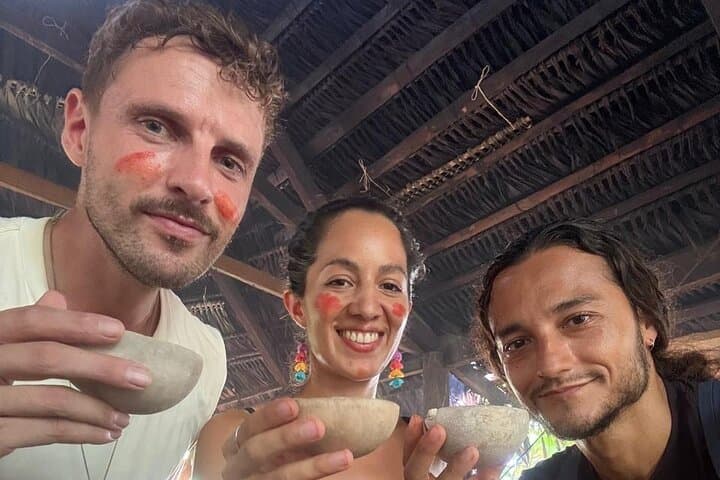
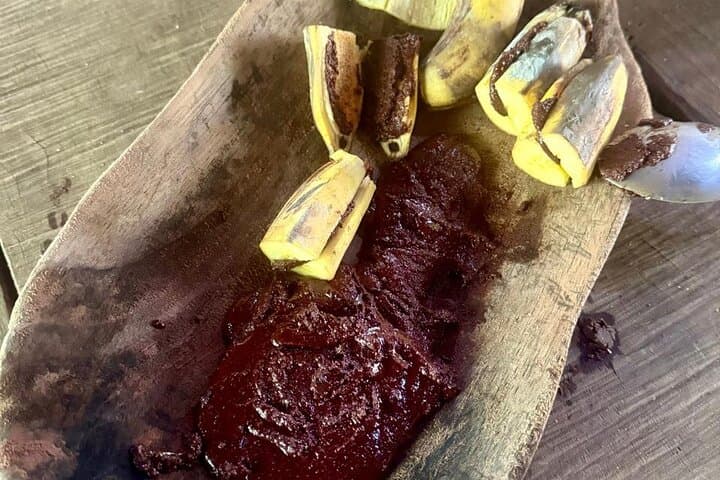
You arrive on a humid country road as the rainforest leans in and the scent of damp earth rises — this is Bribri territory, where the trees almost seem to watch. The day opens at a family property in Watsi: women grind roasted cocoa by hand, the stone murmuring under the wooden pestle while the air fills with bitter-sweet steam. Conversation moves between explanation and demonstration; you taste a freshly ground chocolate with Creole bananas and feel the rhythm of a living tradition.
Verified experiences and guided adventures in the surrounding area.
Operated by Yara Caribe Tours · Puerto Viejo de Talamanca, Limón
You arrive on a humid country road as the rainforest leans in and the scent of damp earth rises — this is Bribri territory, where the trees almost seem to watch. The day opens at a family property in Watsi: women grind roasted cocoa by hand, the stone murmuring under the wooden pestle while the air fills with bitter-sweet steam. Conversation moves between explanation and demonstration; you taste a freshly ground chocolate with Creole bananas and feel the rhythm of a living tradition.
The Bribri are one of Costa Rica’s Indigenous nations with deep botanical knowledge and an economy historically tied to cacao. The landscape here is lowland rainforest carved by streams that created the 17-meter waterfall you’ll visit later — a curtain of water that provides natural massages in small plunge pools. The geology is young volcanic soils and steep river cuts; fauna includes bright poison-dart frogs and a chorus of tropical birds.
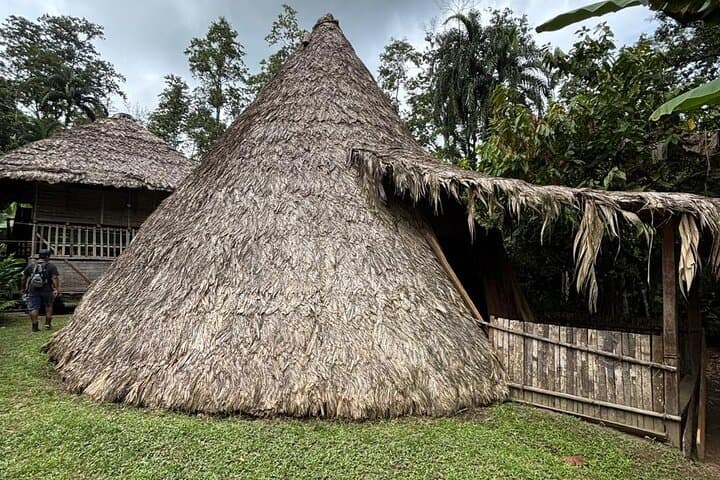
Practical guide: the visit combines light walking on uneven dirt and leaf-littered paths with brief time in the holy Usure house (observe local customs and photography rules). Expect warm, humid conditions and possible short rains year-round. Bring closed-toe shoes for the short hike to the falls, insect repellent, and a refillable water bottle. Plan for a roughly five-to-six-hour outing that includes hands-on cacao work, a leaf-served lunch, and a waterfall swim.
This is a cultural immersion as much as a nature stop — move respectfully, listen more than speak, and leave with a clearer sense of how place, plant, and people remain intertwined.
easy.
5–6 hours.
Light physical condition required; able to walk short uneven trails and swim in shallow pools.
Yes — the itinerary is family-friendly with light walking and hands-on activities, though supervise children during the waterfall swim and near slippery rocks.
Guides typically speak Spanish and often English; confirm language availability at booking if you require translation.
The itinerary notes travel by car from the Cocles/Puerto Viejo area; confirm pickup details with the operator when you book.
Basic restroom facilities are available at family properties; notify the operator of dietary restrictions ahead of time for the indigenous-style lunch.
The Bribri people maintain ancestral practices around cacao cultivation, medicinal plants, and community rituals that predate colonial borders in southern Costa Rica.
Visitors enter indigenous territory with limited infrastructure; follow leave-no-trace principles, avoid single-use plastics, and support local guides and family enterprises directly.
Yara Caribe Tours operates guided outdoor trips and adventures with an emphasis on safety, stewardship, and memorable experiences.

You arrive on a humid country road as the rainforest leans in and the scent of damp earth rises — this is Bribri territory, where the trees almost seem to watch. The day opens at a family property in Watsi: women grind roasted cocoa by hand, the stone murmuring under the wooden pestle while the air fills with bitter-sweet steam. Conversation moves between explanation and demonstration; you taste a freshly ground chocolate with Creole bananas and feel the rhythm of a living tradition.
You arrive on a humid country road as the rainforest leans in and the scent of damp earth rises — this is Bribri territory, where the trees almost seem to watch. The day opens at a family property in Watsi: women grind roasted cocoa by hand, the stone murmuring under the wooden pestle while the air fills with bitter-sweet steam. Conversation moves between explanation and demonstration; you taste a freshly ground chocolate with Creole bananas and feel the rhythm of a living tradition.
The Bribri are one of Costa Rica’s Indigenous nations with deep botanical knowledge and an economy historically tied to cacao. The landscape here is lowland rainforest carved by streams that created the 17-meter waterfall you’ll visit later — a curtain of water that provides natural massages in small plunge pools. The geology is young volcanic soils and steep river cuts; fauna includes bright poison-dart frogs and a chorus of tropical birds.
Practical guide: the visit combines light walking on uneven dirt and leaf-littered paths with brief time in the holy Usure house (observe local customs and photography rules). Expect warm, humid conditions and possible short rains year-round. Bring closed-toe shoes for the short hike to the falls, insect repellent, and a refillable water bottle. Plan for a roughly five-to-six-hour outing that includes hands-on cacao work, a leaf-served lunch, and a waterfall swim.
This is a cultural immersion as much as a nature stop — move respectfully, listen more than speak, and leave with a clearer sense of how place, plant, and people remain intertwined.