THE ADVENTURE COLLECTIVE® · Independent discovery and booking for outdoor travel

Craft beer hums in the background as you knead semolina dough and shape lemon-ricotta ravioli at a local Baltimore brewery. This two-hour hands-on class pairs practical technique with tasting tips for a social, skill-building evening.
Craft beer hums in the background as you knead semolina dough and shape lemon-ricotta ravioli at a local Baltimore brewery. This two-hour hands-on class pairs practical technique with tasting tips for a social, skill-building evening.
The smell of warm semolina and yeast meets the low din of conversation in a bright brewery room — stainless steel tanks glint through a window, and long communal tables invite hands-on work. You press dough under a wooden rolling pin, coax lemon-scented ricotta into soft pillows, then watch boiling water pull the pasta to life while a local pale ale waits at the bar.
Verified experiences and guided adventures in the surrounding area.
Operated by Classpop! · Baltimore, Maryland
The smell of warm semolina and yeast meets the low din of conversation in a bright brewery room — stainless steel tanks glint through a window, and long communal tables invite hands-on work. You press dough under a wooden rolling pin, coax lemon-scented ricotta into soft pillows, then watch boiling water pull the pasta to life while a local pale ale waits at the bar.
Baltimore’s food scene reflects waves of immigrants and industry: Italian families shaped Little Italy’s pasta traditions while nearby waterfronts and the Patapsco River estuary fed breweries and taverns for two centuries. The brewery setting links that working-class brewing history to modern craft fermentation; the city’s geology — a tidal plain that meets the Chesapeake Bay — shaped ports, trade routes and the local palate for beer and seafood.
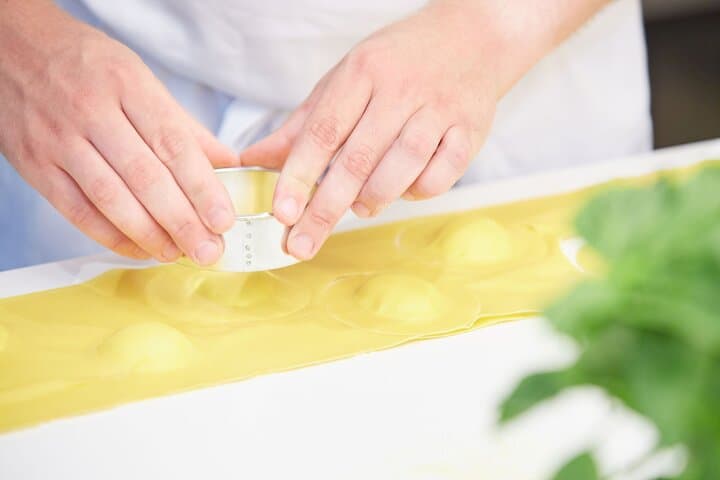
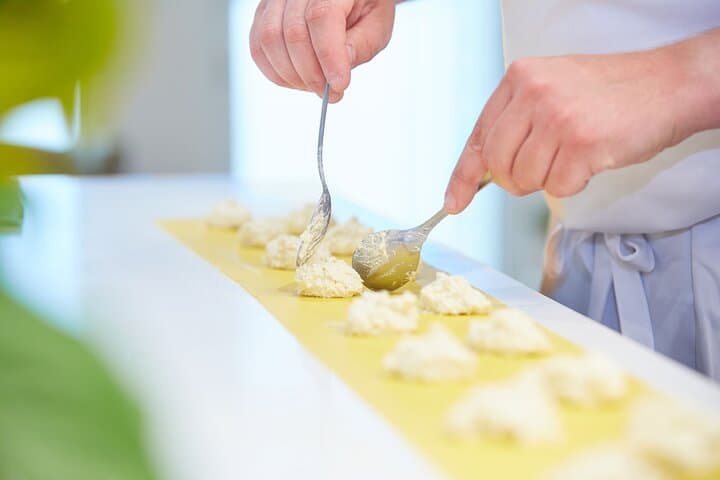
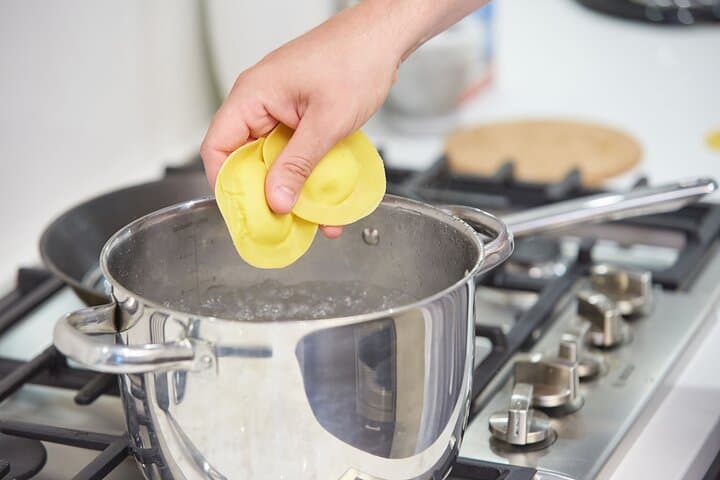
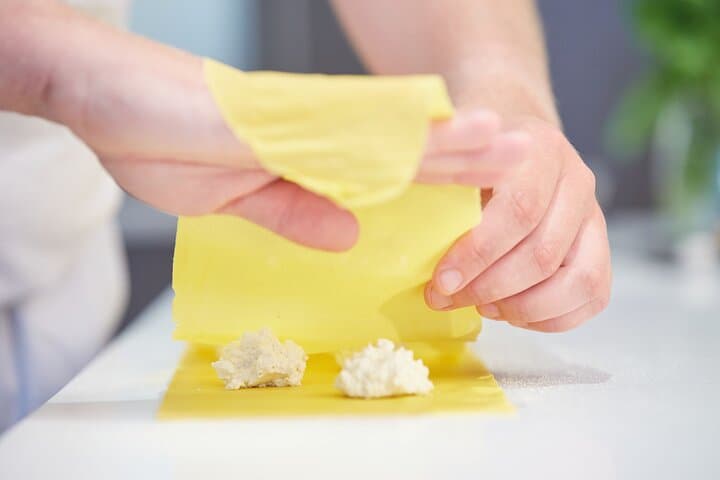
This two-hour class is social and practical. Chef-led instruction covers dough ratios, kneading rhythm, rolling to thinness, and sealing techniques for lemon-ricotta ravioli; you cook and plate your own portion. Expect hands-on time, paired tasting suggestions from the on-site beer list, and tips you can repeat at home.
Plan to arrive with comfortable shoes and sleeves rolled up; classes accommodate dietary needs if notified ahead. The room is wheelchair accessible and well-lit for detailed work. Bring a notebook if you like technique notes, and budget time afterward to explore nearby Fells Point or Little Italy for espresso or waterfront views. This is a low-impact, high-skill evening that leaves you with both a recipe and a souvenir appetite.
easy.
2 hours.
Light physical activity: standing, kneading and fine motor skills for about 120 minutes; no special fitness required
No—this is a beginner-friendly, hands-on class; the chef walks participants through each step and adapts instruction to different skill levels.
Beer is typically available for purchase at the brewery; the class fee covers instruction, ingredients, and the meal you prepare.
Yes — the listing notes wheelchair-accessible surfaces and transportation; contact the operator before booking for specific accommodations.
Yes — the class is designed to handle various dietary needs when notified in advance; indicate restrictions during booking.
Baltimore’s Little Italy and waterfront neighborhoods were shaped by 19th- and 20th-century immigrants and industrial trade; local breweries have roots in that working-port culture.
Many Baltimore breweries focus on landfill diversion and local sourcing; bringing reusable containers for leftovers and minimizing food waste helps support local sustainability efforts.
Classpop! operates guided outdoor trips and adventures with an emphasis on safety, stewardship, and memorable experiences.
The smell of warm semolina and yeast meets the low din of conversation in a bright brewery room — stainless steel tanks glint through a window, and long communal tables invite hands-on work. You press dough under a wooden rolling pin, coax lemon-scented ricotta into soft pillows, then watch boiling water pull the pasta to life while a local pale ale waits at the bar.
The smell of warm semolina and yeast meets the low din of conversation in a bright brewery room — stainless steel tanks glint through a window, and long communal tables invite hands-on work. You press dough under a wooden rolling pin, coax lemon-scented ricotta into soft pillows, then watch boiling water pull the pasta to life while a local pale ale waits at the bar.
Baltimore’s food scene reflects waves of immigrants and industry: Italian families shaped Little Italy’s pasta traditions while nearby waterfronts and the Patapsco River estuary fed breweries and taverns for two centuries. The brewery setting links that working-class brewing history to modern craft fermentation; the city’s geology — a tidal plain that meets the Chesapeake Bay — shaped ports, trade routes and the local palate for beer and seafood.
This two-hour class is social and practical. Chef-led instruction covers dough ratios, kneading rhythm, rolling to thinness, and sealing techniques for lemon-ricotta ravioli; you cook and plate your own portion. Expect hands-on time, paired tasting suggestions from the on-site beer list, and tips you can repeat at home.
Plan to arrive with comfortable shoes and sleeves rolled up; classes accommodate dietary needs if notified ahead. The room is wheelchair accessible and well-lit for detailed work. Bring a notebook if you like technique notes, and budget time afterward to explore nearby Fells Point or Little Italy for espresso or waterfront views. This is a low-impact, high-skill evening that leaves you with both a recipe and a souvenir appetite.