THE ADVENTURE COLLECTIVE® · Independent discovery and booking for outdoor travel

Cross Lerwick Harbour to Bressay for a four-hour guided tour of crofts, sheep breeds, Bronze Age archaeology and a Stevenson lighthouse viewpoint. Learn island life from a resident crofter-archaeologist while experiencing Shetland’s coastal geology and wildlife.
Cross Lerwick Harbour to Bressay for a four-hour guided tour of crofts, sheep breeds, Bronze Age archaeology and a Stevenson lighthouse viewpoint. Learn island life from a resident crofter-archaeologist while experiencing Shetland’s coastal geology and wildlife.
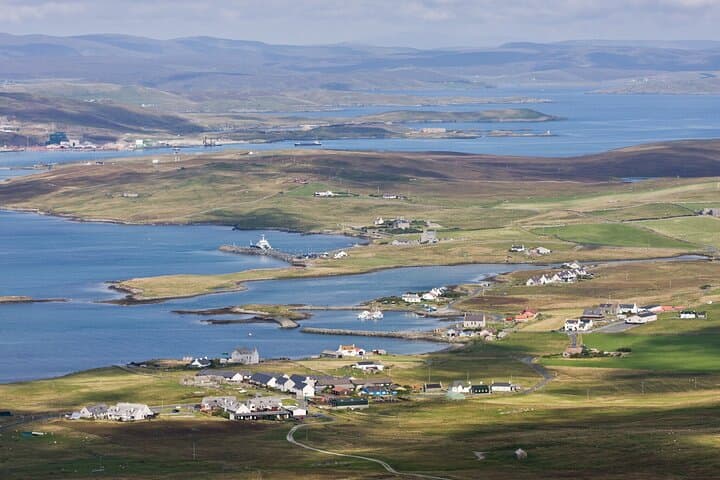
You feel the ferry’s short roll before Bressay appears: low grassy slopes, a ribbon of road and compact stone buildings framing a busy crofter’s life. The crossing is seven minutes but long enough for the sea to set the tone—salt air that dares you to slow down and look closely.
Verified experiences and guided adventures in the surrounding area.
Operated by Robertson's Tours & Holidays · Lerwick, Shetland Islands
You feel the ferry’s short roll before Bressay appears: low grassy slopes, a ribbon of road and compact stone buildings framing a busy crofter’s life. The crossing is seven minutes but long enough for the sea to set the tone—salt air that dares you to slow down and look closely.
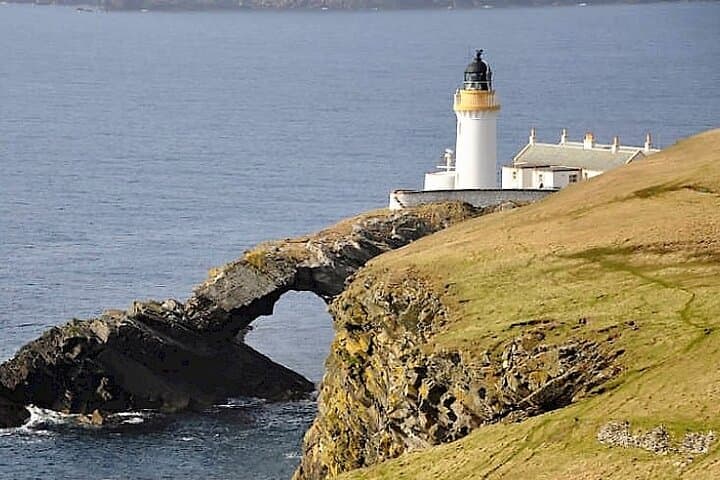
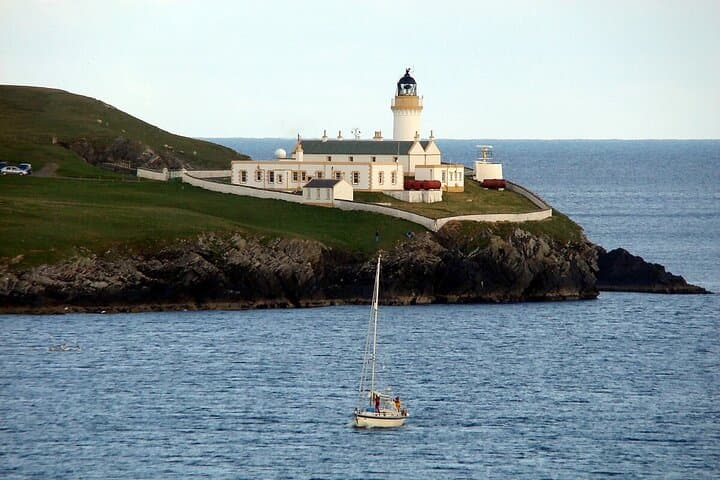
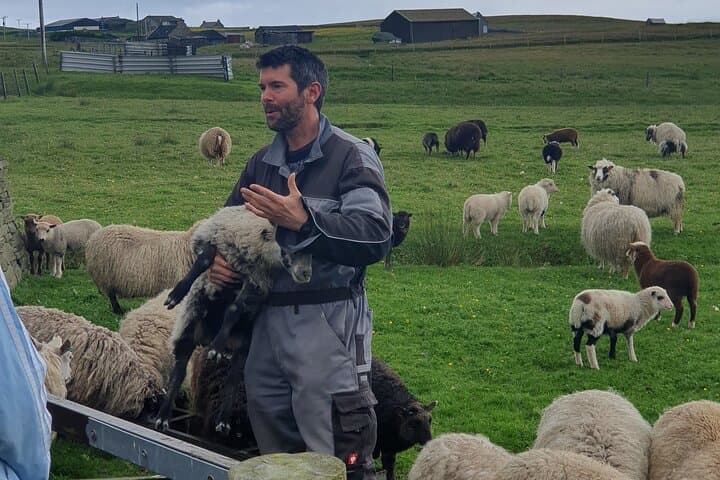
On arrival a local guide—often a crofter and archaeologist—leads the group through living crofts where coloured Shetland sheep cluster in small fields and old tools hang on weathered walls. The island chronicles 6,000 years of human occupation: Neolithic turf dykes, Viking house traces, and a Bronze Age burnt mound rescued from the cliff edge. At the southern tip a Stevenson-built lighthouse watches the shipping lanes; you view it from the headland, not from inside.
Bressay’s geology is granite and metamorphosed sediments—rock and peat that shape low, wind-swept moors and sheltered woodland pockets. Culture here is practical and public-facing: small cafés like Speldiburn, the Bressay Heritage Centre on Saturdays, and crofters open about daily routines and sustainable practices.
Practicalities: the tour runs about four hours, uses the inter-island ferry (included), and involves short walks across uneven ground. Wear waterproof layers, sturdy shoes and expect wind-driven weather even on calm days. Bring cash or card for café purchases and binoculars for seabirds and seals offshore. The itinerary suits travelers in moderate fitness; mobility-impaired guests should check in advance. End back in Lerwick with time to explore the town’s maritime museums and knitwear shops.
moderate.
4 hours.
Moderate — able to walk short distances over uneven terrain and stand during explanations
The inter-island ferry takes about seven minutes from Lerwick to Bressay and is included in the tour.
No — the 1858 Stevenson lighthouse is visible from the headland but not open to the public.
Visitors may handle fleeces and see everyday tools; interaction with animals is at the guide’s discretion and depends on farm routines.
Children who can manage short walks are welcome; the tour requires moderate mobility and is not recommended for guests with significant mobility limitations—check when booking.
Bressay’s recorded history spans millennia: Neolithic turf dykes, Viking-age settlements, and 19th-century maritime improvements like the Stevenson lighthouses.
Local crofting practices prioritize mixed agriculture and biodiversity; visitors should stick to paths, avoid disturbing livestock, and take all litter home to minimize impact.
Robertson's Tours & Holidays operates guided outdoor trips and adventures with an emphasis on safety, stewardship, and memorable experiences.
You feel the ferry’s short roll before Bressay appears: low grassy slopes, a ribbon of road and compact stone buildings framing a busy crofter’s life. The crossing is seven minutes but long enough for the sea to set the tone—salt air that dares you to slow down and look closely.
You feel the ferry’s short roll before Bressay appears: low grassy slopes, a ribbon of road and compact stone buildings framing a busy crofter’s life. The crossing is seven minutes but long enough for the sea to set the tone—salt air that dares you to slow down and look closely.
On arrival a local guide—often a crofter and archaeologist—leads the group through living crofts where coloured Shetland sheep cluster in small fields and old tools hang on weathered walls. The island chronicles 6,000 years of human occupation: Neolithic turf dykes, Viking house traces, and a Bronze Age burnt mound rescued from the cliff edge. At the southern tip a Stevenson-built lighthouse watches the shipping lanes; you view it from the headland, not from inside.
Bressay’s geology is granite and metamorphosed sediments—rock and peat that shape low, wind-swept moors and sheltered woodland pockets. Culture here is practical and public-facing: small cafés like Speldiburn, the Bressay Heritage Centre on Saturdays, and crofters open about daily routines and sustainable practices.
Practicalities: the tour runs about four hours, uses the inter-island ferry (included), and involves short walks across uneven ground. Wear waterproof layers, sturdy shoes and expect wind-driven weather even on calm days. Bring cash or card for café purchases and binoculars for seabirds and seals offshore. The itinerary suits travelers in moderate fitness; mobility-impaired guests should check in advance. End back in Lerwick with time to explore the town’s maritime museums and knitwear shops.