THE ADVENTURE COLLECTIVE® · Independent discovery and booking for outdoor travel

Head offshore from Albany for a full-day expedition into Bremer Canyon, where nutrient-rich waters concentrate prey and produce reliable killer whale encounters. Expect long decktime, expert narration from a marine biologist and a day focused on marine life observation.
Head offshore from Albany for a full-day expedition into Bremer Canyon, where nutrient-rich waters concentrate prey and produce reliable killer whale encounters. Expect long decktime, expert narration from a marine biologist and a day focused on marine life observation.
The morning air tastes of salt and diesel as the catamaran cuts away from Albany, the coastline shrinking into a line of cliffs and farmed paddocks. Out on the Southern Ocean, the sea takes over—wide, dark, and restless—pushing the vessel toward Bremer Canyon, one of Australia’s deepest submarine gorges and the only place on the continent where orcas are reliably found.
Verified experiences and guided adventures in the surrounding area.
Operated by Naturaliste Charters · Albany, Western Australia
The morning air tastes of salt and diesel as the catamaran cuts away from Albany, the coastline shrinking into a line of cliffs and farmed paddocks. Out on the Southern Ocean, the sea takes over—wide, dark, and restless—pushing the vessel toward Bremer Canyon, one of Australia’s deepest submarine gorges and the only place on the continent where orcas are reliably found.
Geology and oceanography here create a feeding funnel: steep canyon walls channel cold, nutrient-rich water to the surface, attracting squid, sunfish and the large predators that hunt them. The human history of the region ranges from Noongar maritime knowledge to modern commercial fishing and scientific expeditions; today small-boat operators work with marine biologists to read the signs of the sea.
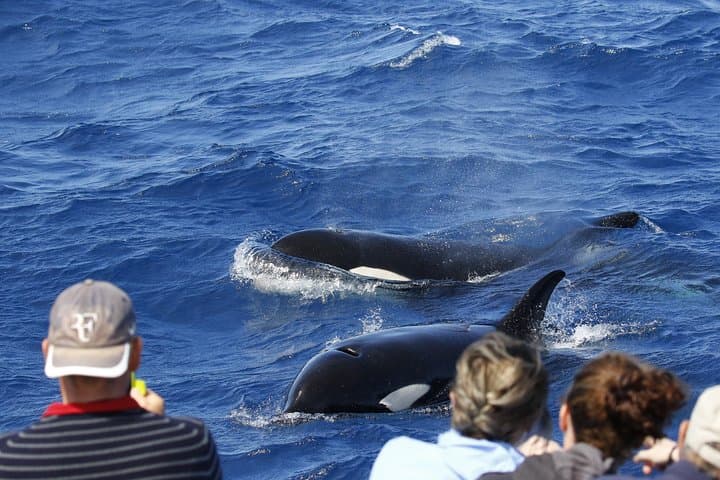
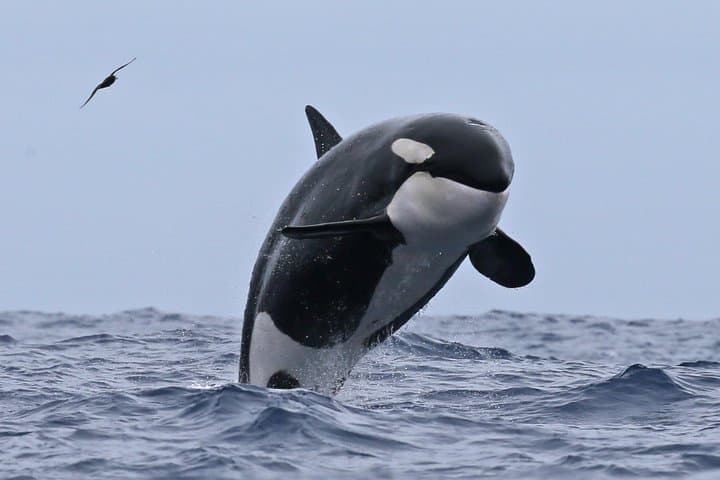
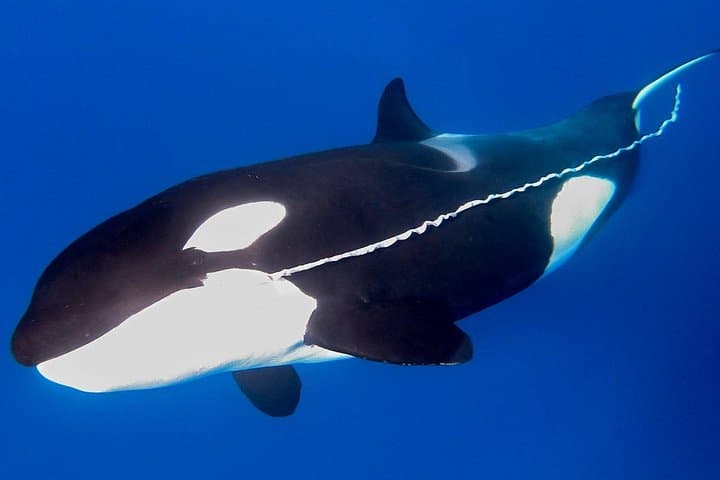
On deck you’ll watch albatrosses wheel and dolphins race the bow. The orcas, when present, are purposeful—curious and efficient—sometimes revealed by a fin slicing the swell, sometimes by scattered debris of a recent hunt. A qualified marine biologist narrates behavior and identification; an onboard photographer captures moments you’ll later receive by email.
Practical notes: departures are early and the day runs about eight hours. Dress in layers for wind and spray, bring motion-sickness remedies if you’re prone, and keep a charged camera and binoculars within reach. Catering is provided—morning tea, lunch and afternoon tea—but pack a refillable water bottle and sun protection.
This is a full-day ocean expedition: expect long stretches on deck, potentially rough seas, and the rare thrill of watching apex predators at work. Timing your trip between December and April increases the chances of orca encounters and larger whale sightings.
easy.
8 hours.
Suitable for most fitness levels; requires getting on/off a vessel and standing on deck for extended periods
The tour is a full-day expedition of about eight hours, including transit to and from Bremer Canyon and time on site.
Operators target the canyon during the season when orcas are reliably sighted (typically December–April), but wildlife sightings can never be guaranteed.
The trip is advertised as suitable for most fitness levels, but boarding and moving around the vessel require basic mobility; it’s not recommended for those with serious spinal injuries or pregnancy.
Yes—morning tea, a catered lunch (special diets accommodated with notice) and afternoon tea are included.
Bremer Canyon lies off the traditional Noongar seafaring areas and has long been a productive fishing ground; scientific interest has grown as the canyon’s role in pelagic ecology became clearer.
Operators follow code-of-conduct guidelines to minimize disturbance; choose providers who share sightings data with researchers and limit close approaches to wildlife.
Naturaliste Charters operates guided outdoor trips and adventures with an emphasis on safety, stewardship, and memorable experiences.
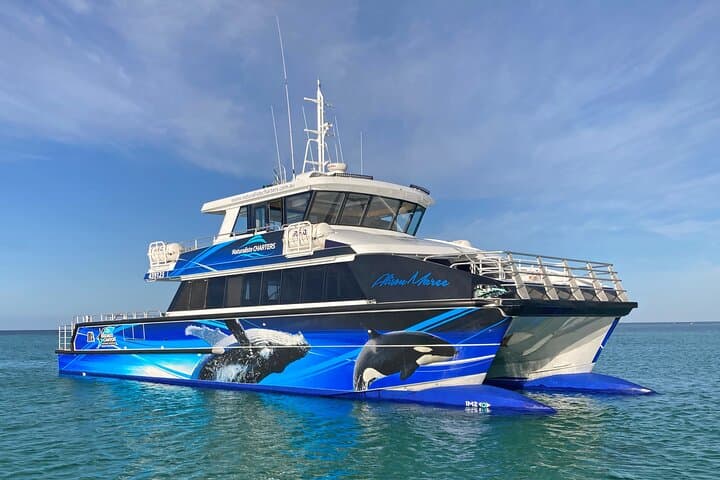
The morning air tastes of salt and diesel as the catamaran cuts away from Albany, the coastline shrinking into a line of cliffs and farmed paddocks. Out on the Southern Ocean, the sea takes over—wide, dark, and restless—pushing the vessel toward Bremer Canyon, one of Australia’s deepest submarine gorges and the only place on the continent where orcas are reliably found.
The morning air tastes of salt and diesel as the catamaran cuts away from Albany, the coastline shrinking into a line of cliffs and farmed paddocks. Out on the Southern Ocean, the sea takes over—wide, dark, and restless—pushing the vessel toward Bremer Canyon, one of Australia’s deepest submarine gorges and the only place on the continent where orcas are reliably found.
Geology and oceanography here create a feeding funnel: steep canyon walls channel cold, nutrient-rich water to the surface, attracting squid, sunfish and the large predators that hunt them. The human history of the region ranges from Noongar maritime knowledge to modern commercial fishing and scientific expeditions; today small-boat operators work with marine biologists to read the signs of the sea.
On deck you’ll watch albatrosses wheel and dolphins race the bow. The orcas, when present, are purposeful—curious and efficient—sometimes revealed by a fin slicing the swell, sometimes by scattered debris of a recent hunt. A qualified marine biologist narrates behavior and identification; an onboard photographer captures moments you’ll later receive by email.
Practical notes: departures are early and the day runs about eight hours. Dress in layers for wind and spray, bring motion-sickness remedies if you’re prone, and keep a charged camera and binoculars within reach. Catering is provided—morning tea, lunch and afternoon tea—but pack a refillable water bottle and sun protection.
This is a full-day ocean expedition: expect long stretches on deck, potentially rough seas, and the rare thrill of watching apex predators at work. Timing your trip between December and April increases the chances of orca encounters and larger whale sightings.