THE ADVENTURE COLLECTIVE® · Independent discovery and booking for outdoor travel

Board a purpose-built cruiser at Bremer Bay and head 19 nautical miles to the Bremer Canyon, where orca, sperm whales and other deep-ocean species congregate. This full-day wildlife cruise mixes fast transit, expert commentary and strict viewing practices for an up-close ocean experience.
Board a purpose-built cruiser at Bremer Bay and head 19 nautical miles to the Bremer Canyon, where orca, sperm whales and other deep-ocean species congregate. This full-day wildlife cruise mixes fast transit, expert commentary and strict viewing practices for an up-close ocean experience.
You step on deck as the shore of Bremer Bay shrinks to a ragged line and the boat noses toward the edge of the continental shelf—19 nautical miles of deep blue where currents meet sunlit shallows and life gathers. Wind picks up, the ocean tests your balance, and the crew scans the horizon; soon a dorsal fin cuts the water like a black flag.
Verified experiences and guided adventures in the surrounding area.
Operated by Whale Watch Western Australia · Bremer Bay, Western Australia
You step on deck as the shore of Bremer Bay shrinks to a ragged line and the boat noses toward the edge of the continental shelf—19 nautical miles of deep blue where currents meet sunlit shallows and life gathers. Wind picks up, the ocean tests your balance, and the crew scans the horizon; soon a dorsal fin cuts the water like a black flag.
The Bremer Canyon is the geological engine here: a deep submarine canyon carved over millennia that channels nutrient-rich upwellings and draws squid, fish and the predators that follow. Local Nyungar people have long known these seas; modern observation and family-run operators have logged years of encounters with orca, sperm whales, pilot whales and rare beaked whales between January and March.
Onboard, expect guided commentary, a photographer documenting sightings and meals served between scans. The ride is a working wildlife survey—fast where it must be, patient when pods are milling—and the crew follows strict approach rules to minimize disturbance.
Practical guidance: trips run up to eight hours and can be choppy—bring seasickness medication and layered, windproof clothing. Binoculars, a telephoto lens and a waterproof case for electronics will make sightings count. Book in January–March for the highest orca probability but check weather cancellations; operators typically offer alternatives or refunds. Respect viewing etiquette: stay quiet near pods, avoid throwing anything overboard, and let the animals lead the encounter.
This is a trip for those who want to meet ocean predators on their terms: raw, educational and governed by the rhythms of the deep.
moderate.
8 hours.
Moderate level of fitness; must be able to board a vessel, stand for periods and move on an unsteady deck.
Peak sightings are typically from January to March when food availability at the Bremer Canyon draws large predators, though sightings can occur outside these months.
Operators report high encounter rates during peak season, but wildlife is never guaranteed; weather and ocean conditions also influence sightings.
Children are permitted but age policies vary—this operator charges child rates for ages 10–17; supervise young children closely and consider motion-sickness risk.
Tours are subject to favourable weather; if canceled you are typically offered an alternative date or a full refund per the operator's policy.
The Bremer Canyon formed as part of the continental shelf’s complex geology; European fisheries later recognized the area as a rich feeding ground, and local family operators have amassed long-term observation records.
Operators follow marine mammal approach rules and emphasize ‘see-but-don’t-touch’ viewing to reduce disturbance; visitors should avoid single-use plastics and follow crew guidance to protect the ecosystem.
Whale Watch Western Australia operates guided outdoor trips and adventures with an emphasis on safety, stewardship, and memorable experiences.
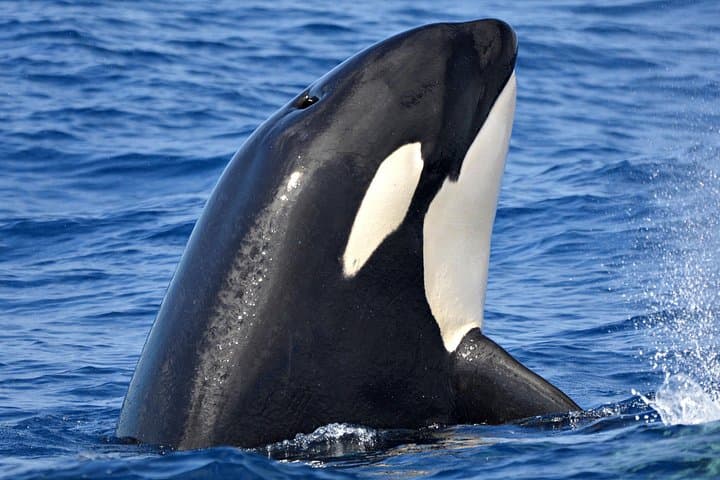
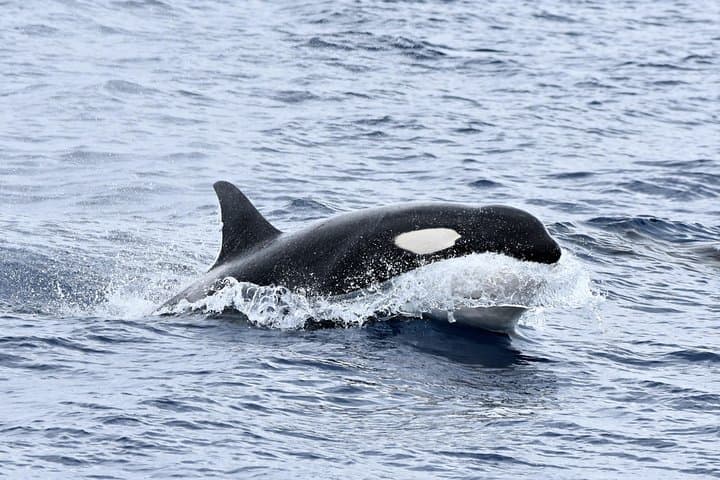
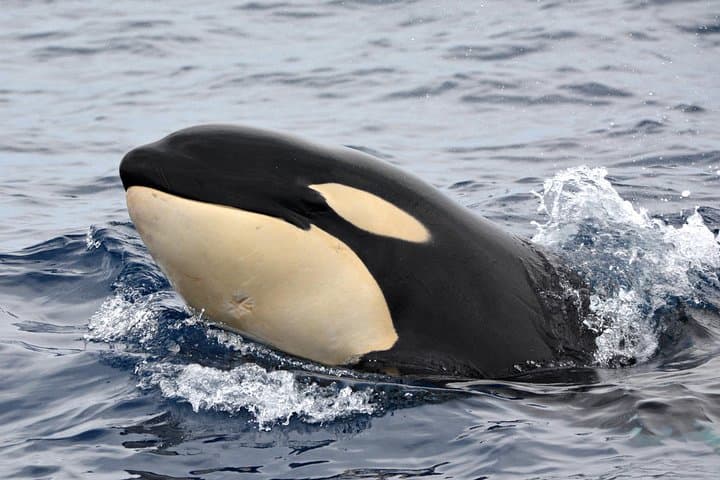
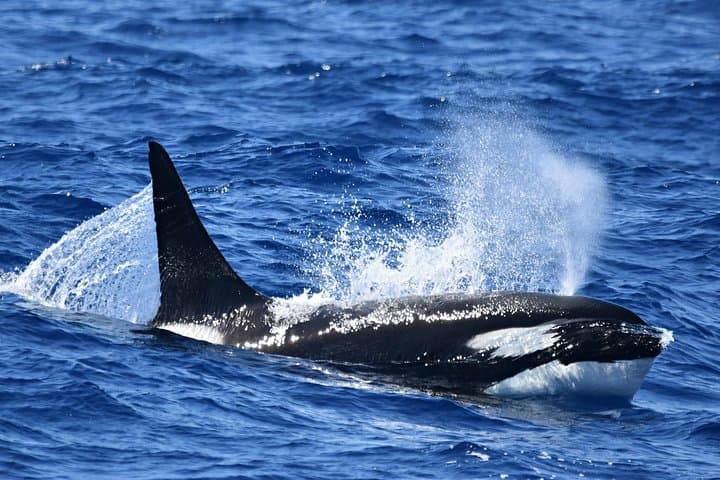
You step on deck as the shore of Bremer Bay shrinks to a ragged line and the boat noses toward the edge of the continental shelf—19 nautical miles of deep blue where currents meet sunlit shallows and life gathers. Wind picks up, the ocean tests your balance, and the crew scans the horizon; soon a dorsal fin cuts the water like a black flag.
You step on deck as the shore of Bremer Bay shrinks to a ragged line and the boat noses toward the edge of the continental shelf—19 nautical miles of deep blue where currents meet sunlit shallows and life gathers. Wind picks up, the ocean tests your balance, and the crew scans the horizon; soon a dorsal fin cuts the water like a black flag.
The Bremer Canyon is the geological engine here: a deep submarine canyon carved over millennia that channels nutrient-rich upwellings and draws squid, fish and the predators that follow. Local Nyungar people have long known these seas; modern observation and family-run operators have logged years of encounters with orca, sperm whales, pilot whales and rare beaked whales between January and March.
Onboard, expect guided commentary, a photographer documenting sightings and meals served between scans. The ride is a working wildlife survey—fast where it must be, patient when pods are milling—and the crew follows strict approach rules to minimize disturbance.
Practical guidance: trips run up to eight hours and can be choppy—bring seasickness medication and layered, windproof clothing. Binoculars, a telephoto lens and a waterproof case for electronics will make sightings count. Book in January–March for the highest orca probability but check weather cancellations; operators typically offer alternatives or refunds. Respect viewing etiquette: stay quiet near pods, avoid throwing anything overboard, and let the animals lead the encounter.
This is a trip for those who want to meet ocean predators on their terms: raw, educational and governed by the rhythms of the deep.