THE ADVENTURE COLLECTIVE® · Independent discovery and booking for outdoor travel

Share breakfast with local hosts, then walk the Giza Plateau with a private guide. This half‑day morning tour pairs authentic Egyptian cuisine with up‑close views of the pyramids and Sphinx.
Share breakfast with local hosts, then walk the Giza Plateau with a private guide. This half‑day morning tour pairs authentic Egyptian cuisine with up‑close views of the pyramids and Sphinx.
Morning light breaks over the dusty sweep of the Giza Plateau, and the day begins with the clatter and warmth of a local breakfast table. Guests move from Cairo’s hotel streets into the quieter alleys of Giza, where hosts lay out ful (fava beans), fresh flatbread, falafel and pickled vegetables — a simple, social ritual that eases visitors into the city’s tempo.
Verified experiences and guided adventures in the surrounding area.
Operated by Egypt Tours Online · Giza, Giza Governorate
Morning light breaks over the dusty sweep of the Giza Plateau, and the day begins with the clatter and warmth of a local breakfast table. Guests move from Cairo’s hotel streets into the quieter alleys of Giza, where hosts lay out ful (fava beans), fresh flatbread, falafel and pickled vegetables — a simple, social ritual that eases visitors into the city’s tempo.
From there the group transfers to the pyramids, where limestone faces rise from a wind-polished plain. Geology here is plain and ancient: quarried Tura limestone caps and massive core blocks laid by Old Kingdom builders; wind and sun have sanded edges but not erased human ambition. Guides place the monuments in context — Khufu’s pyramid as an early Fourth Dynasty engineering project, Khafre’s relationship to the Sphinx, and the Valley Temples’ role in funerary rites.
Culturally, the breakfast is the bridge: conversation with hosts, shared food, and a chance to ask about everyday life in modern Egypt before stepping into four millennia of history. Expect short walks across uneven, sandy ground, viewpoints over causeways and valley temples, and close-up glimpses of carved stone and weathered hieroglyphs.
Practical guidance: start early for cooler temperatures and softer light, carry water and sun protection, bring cash for optional pyramid entry or camel rides, and wear closed-toe shoes for rough surfaces. The tour is a compact, accessible way to pair local life with the plateau’s big landmarks.
easy.
5 hours.
Suitable for most travelers; requires short walks on uneven, sandy terrain and some standing.
Standard tour prices may include some entry fees but not optional pyramid interior tickets or camel rides—check your booking details and bring cash or card as needed.
Camel rides are typically available for an additional fee at the plateau; negotiate price beforehand and confirm safety with your guide.
Yes—this tour is low-impact with short walks, but it’s not recommended for those with serious spinal, heart, or pregnancy-related restrictions; inform the operator of needs in advance.
Pickup and drop-off are normally included—provide your hotel details at booking and confirm the pickup location and time the day before.
The Great Pyramid of Khufu dates to around 2560 BCE and is the largest of the Giza complex; the Sphinx is associated with Khafre’s funerary complex.
Visitor pressure, pollution and erosion threaten the plateau; follow marked paths, avoid touching ancient masonry, and support local conservation fees where applied.
Egypt Tours Online operates guided outdoor trips and adventures with an emphasis on safety, stewardship, and memorable experiences.
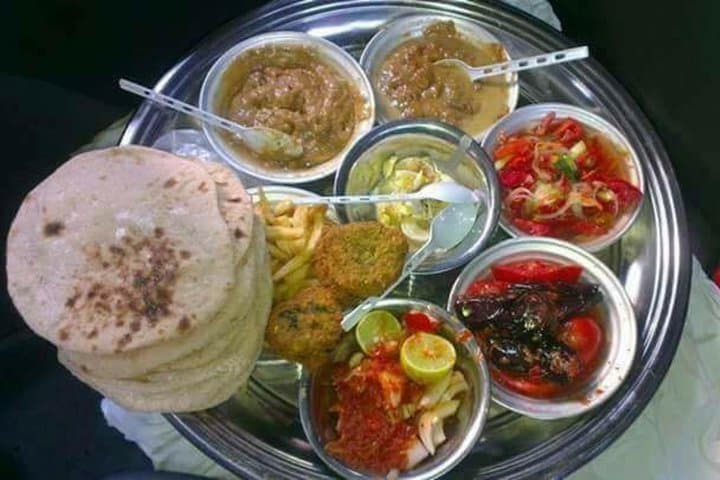
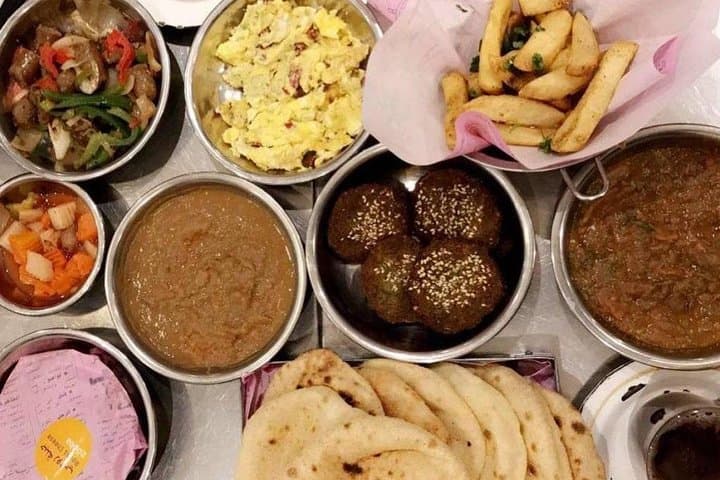
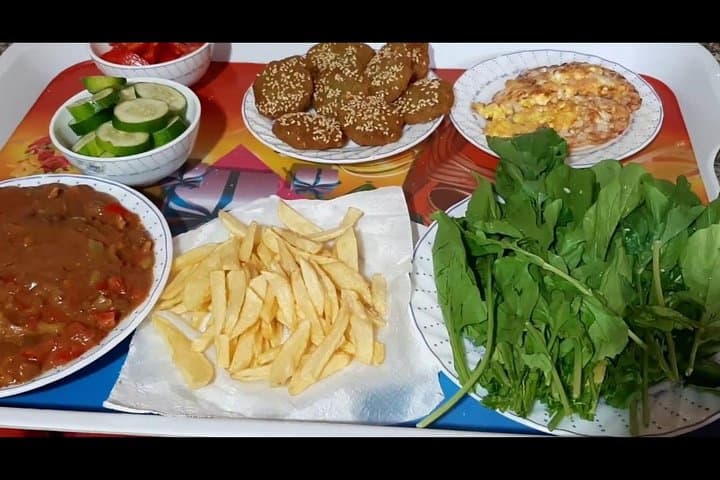
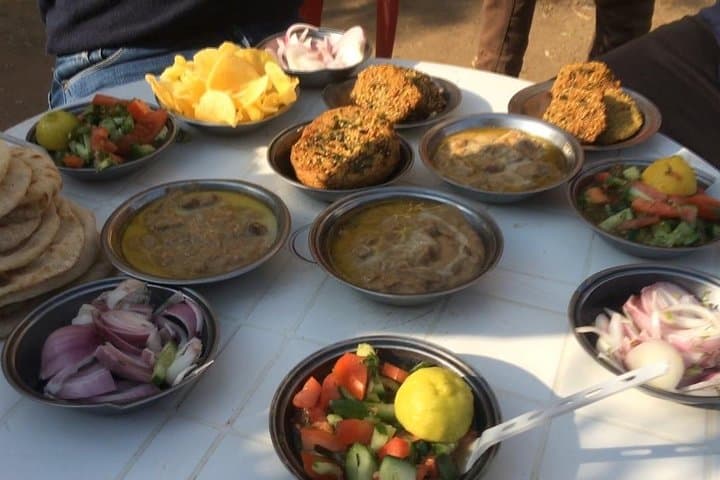
Morning light breaks over the dusty sweep of the Giza Plateau, and the day begins with the clatter and warmth of a local breakfast table. Guests move from Cairo’s hotel streets into the quieter alleys of Giza, where hosts lay out ful (fava beans), fresh flatbread, falafel and pickled vegetables — a simple, social ritual that eases visitors into the city’s tempo.
Morning light breaks over the dusty sweep of the Giza Plateau, and the day begins with the clatter and warmth of a local breakfast table. Guests move from Cairo’s hotel streets into the quieter alleys of Giza, where hosts lay out ful (fava beans), fresh flatbread, falafel and pickled vegetables — a simple, social ritual that eases visitors into the city’s tempo.
From there the group transfers to the pyramids, where limestone faces rise from a wind-polished plain. Geology here is plain and ancient: quarried Tura limestone caps and massive core blocks laid by Old Kingdom builders; wind and sun have sanded edges but not erased human ambition. Guides place the monuments in context — Khufu’s pyramid as an early Fourth Dynasty engineering project, Khafre’s relationship to the Sphinx, and the Valley Temples’ role in funerary rites.
Culturally, the breakfast is the bridge: conversation with hosts, shared food, and a chance to ask about everyday life in modern Egypt before stepping into four millennia of history. Expect short walks across uneven, sandy ground, viewpoints over causeways and valley temples, and close-up glimpses of carved stone and weathered hieroglyphs.
Practical guidance: start early for cooler temperatures and softer light, carry water and sun protection, bring cash for optional pyramid entry or camel rides, and wear closed-toe shoes for rough surfaces. The tour is a compact, accessible way to pair local life with the plateau’s big landmarks.