THE ADVENTURE COLLECTIVE® · Independent discovery and booking for outdoor travel

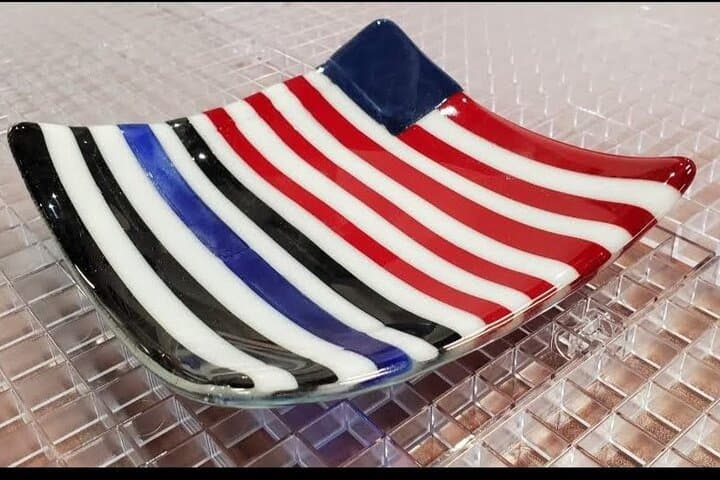
Turn shards into art in a 90‑minute glass fusing class in Everett. Perfect for beginners, this session teaches breaking, arranging, and firing a six‑inch fused glass piece you can pick up or have shipped.
Turn shards into art in a 90‑minute glass fusing class in Everett. Perfect for beginners, this session teaches breaking, arranging, and firing a six‑inch fused glass piece you can pick up or have shipped.
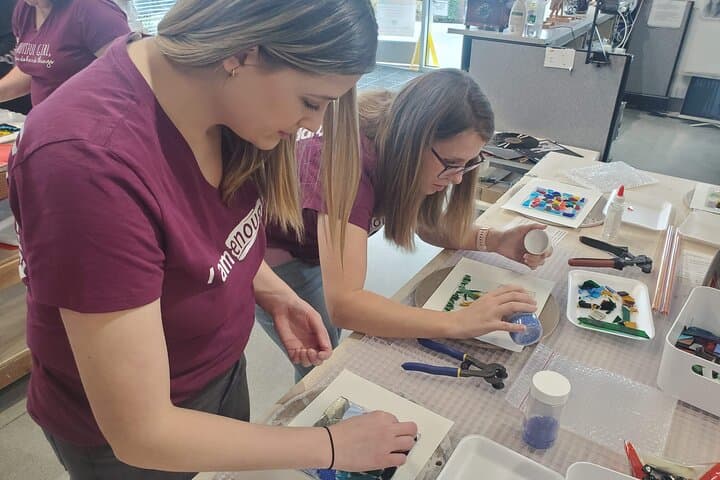
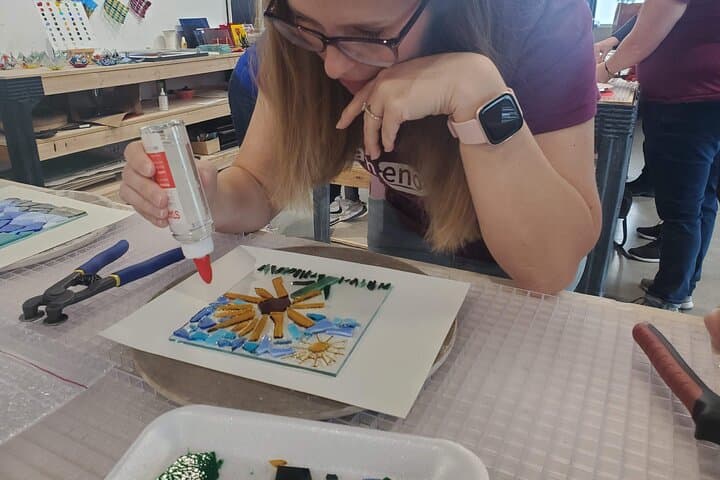
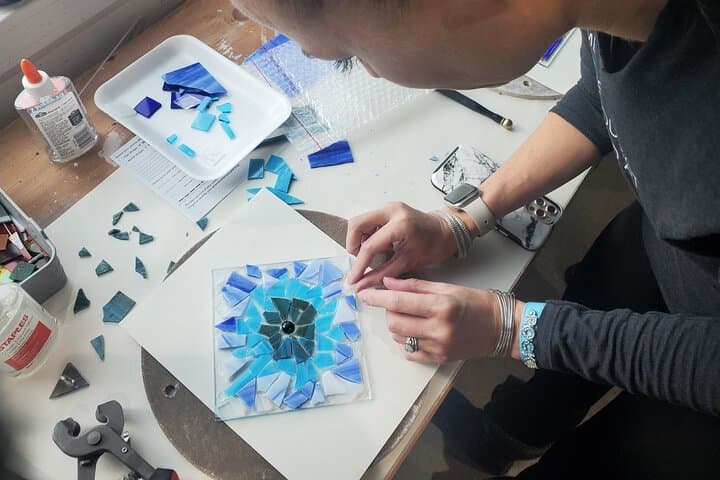
The studio air smells faintly of warm kiln shelves and glass dust as you step through the door, a bench of colorful shards waiting like spilled paint. Under bright task lamps you’re handed a six‑inch square of clear glass and simple tools; the first step is breaking, a deliberate, loud motion that turns confidence into a deliberate pattern.
Verified experiences and guided adventures in the surrounding area.
Operated by FEELartistic Studio · Everett, Washington
The studio air smells faintly of warm kiln shelves and glass dust as you step through the door, a bench of colorful shards waiting like spilled paint. Under bright task lamps you’re handed a six‑inch square of clear glass and simple tools; the first step is breaking, a deliberate, loud motion that turns confidence into a deliberate pattern.
Everett’s working‑class docks and timber past inform a surprisingly active arts scene; glass fusing is a modern craft that blends ancient glass‑making techniques with contemporary design. The geology of the region—abundant sand and silica in the Pacific Northwest—made glassmaking a natural artisan pursuit here, and local studios now complement the maritime and aerospace industries with hands‑on creative classes.
The class moves methodically: an intro to safety and tools, access to dozens of transparent and opaque glass colors, a guided demonstration of layout and layering, then time to design and break glass into shape. Staff assemble your flat composition and fire it; finished pieces are either held for pickup or shipped in a few weeks.
Practically speaking, the session is 90 minutes and suited to beginners and returning hobbyists. Wear closed‑toe shoes and comfortable clothes you don’t mind marking; the studio provides tools, safety goggles, and kiln firing. Expect to stand and work on small, detailed movements—bring reading glasses if you need them.
If you want a keepsake that you helped destroy and remake, this is a compact, tactile way to learn a core studio technique with a tangible takeaway.
easy.
1.5 hours.
Minimal fitness required—you should be able to stand and perform fine‑motor tasks for the class duration.
No — the class is designed for beginners and returning hobbyists; instructors give step‑by‑step guidance.
Studios vary, but this session is suitable for older children under supervision—confirm age limits when booking.
The studio fires your composition and typically has pieces ready for pickup or shipping in a few weeks; ask for the current turnaround time.
Yes — the listing notes wheelchair accessibility and nearby public transport; contact the studio for specific accommodation needs.
Everett’s maritime and timber economy shaped a practical craft tradition; more recently the city has diversified into arts and small‑batch studios.
Many glass studios reclaim scrap glass and encourage reusable packaging; kiln firing uses energy—ask about a studio’s recycling and shipping consolidation options.
FEELartistic Studio operates guided outdoor trips and adventures with an emphasis on safety, stewardship, and memorable experiences.
The studio air smells faintly of warm kiln shelves and glass dust as you step through the door, a bench of colorful shards waiting like spilled paint. Under bright task lamps you’re handed a six‑inch square of clear glass and simple tools; the first step is breaking, a deliberate, loud motion that turns confidence into a deliberate pattern.
The studio air smells faintly of warm kiln shelves and glass dust as you step through the door, a bench of colorful shards waiting like spilled paint. Under bright task lamps you’re handed a six‑inch square of clear glass and simple tools; the first step is breaking, a deliberate, loud motion that turns confidence into a deliberate pattern.
Everett’s working‑class docks and timber past inform a surprisingly active arts scene; glass fusing is a modern craft that blends ancient glass‑making techniques with contemporary design. The geology of the region—abundant sand and silica in the Pacific Northwest—made glassmaking a natural artisan pursuit here, and local studios now complement the maritime and aerospace industries with hands‑on creative classes.
The class moves methodically: an intro to safety and tools, access to dozens of transparent and opaque glass colors, a guided demonstration of layout and layering, then time to design and break glass into shape. Staff assemble your flat composition and fire it; finished pieces are either held for pickup or shipped in a few weeks.
Practically speaking, the session is 90 minutes and suited to beginners and returning hobbyists. Wear closed‑toe shoes and comfortable clothes you don’t mind marking; the studio provides tools, safety goggles, and kiln firing. Expect to stand and work on small, detailed movements—bring reading glasses if you need them.
If you want a keepsake that you helped destroy and remake, this is a compact, tactile way to learn a core studio technique with a tangible takeaway.