THE ADVENTURE COLLECTIVE® · Independent discovery and booking for outdoor travel

Stand above one of the planet’s most powerful waterfalls on the Brazilian side of Iguazu. This small-group tour from Puerto Iguazú brings you to sweeping boardwalks and the thunder of Devil’s Throat—just remember your passport and a waterproof layer.
Stand above one of the planet’s most powerful waterfalls on the Brazilian side of Iguazu. This small-group tour from Puerto Iguazú brings you to sweeping boardwalks and the thunder of Devil’s Throat—just remember your passport and a waterproof layer.
You step off the park shuttle and the air changes—cool, charged, wet. The boardwalks on the Brazilian side of Iguaçu Park stretch like a spine along the cliff edge, and every turn opens a new panorama: cascades slicing through mist, rainbows slashing across the spray, and the rumble of the Devil’s Throat daring you closer.
Verified experiences and guided adventures in the surrounding area.
Operated by Say Hueque Travel · Foz do Iguaçu, Parana
You step off the park shuttle and the air changes—cool, charged, wet. The boardwalks on the Brazilian side of Iguaçu Park stretch like a spine along the cliff edge, and every turn opens a new panorama: cascades slicing through mist, rainbows slashing across the spray, and the rumble of the Devil’s Throat daring you closer.
The falls sit on the border of Argentina and Brazil where tectonic uplift and volcanic basalt flows created a plateau that the Iguazú River now tears through. Indigenous Guarani communities have long held the falls as a place of power; later 19th-century explorers and conservationists pushed for protected parkland that today balances tourism and protection.
Culturally the area is bilingual and practical—Portuguese signage, Spanish-speaking neighbors, and a steady flow of vendors and park staff who keep circulation moving. Geology shows in every layer of rock and every braided cataract; ecology shows in the forest canopy that frames the viewpoints and in the resident coatis that check backpacks.
Practically: plan for 5–6 hours including border formalities. Bring a passport and any required visa, quick-dry layers, a lightweight waterproof, and strong shoes for wet, sometimes slippery walkways. Expect heavy mist near Floriano Fall and loud sound at Devil’s Throat; ear-sensitive travelers should prepare. Midday light gives the best panoramas but mornings are cooler and less crowded. Guides manage logistics and timing; customs and entry lines can add time, so keep flights and onward plans flexible.
easy.
5–6 hours.
Good for travelers of most fitness levels; involves paved boardwalks and short stair sections—expect some standing and walking.
No—entrance to Parque Nacional do Iguaçu is typically paid separately at the park entrance; confirm with your operator before arrival.
Times vary by season and volume; allow 30 minutes to 2 hours for immigration and customs, and keep travel documents ready.
Yes—the tour accommodates families; infants may sit on laps and infant seats are available by request, but stroller access is limited on boardwalks.
Yes—some viewpoints like Floriano Fall spray visitors heavily; plan clothing and protect electronics accordingly.
The falls marked territory for Indigenous Guarani peoples; the parks on both sides were created in the early 20th century to protect the unique river gorge and its biodiversity.
Park management focuses on limiting infrastructure within core viewing areas and educating visitors; stay on boardwalks and avoid feeding wildlife to reduce impact.
Say Hueque Travel operates guided outdoor trips and adventures with an emphasis on safety, stewardship, and memorable experiences.
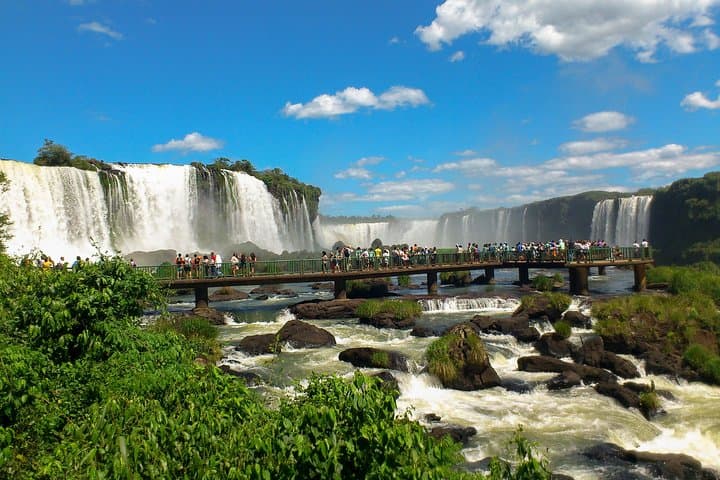
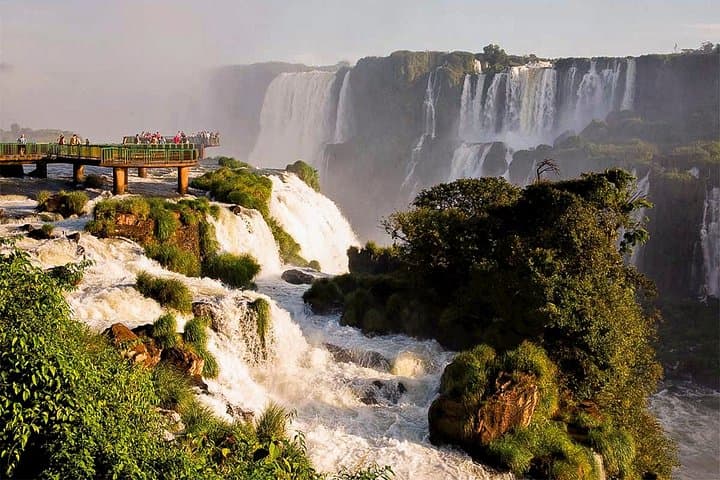
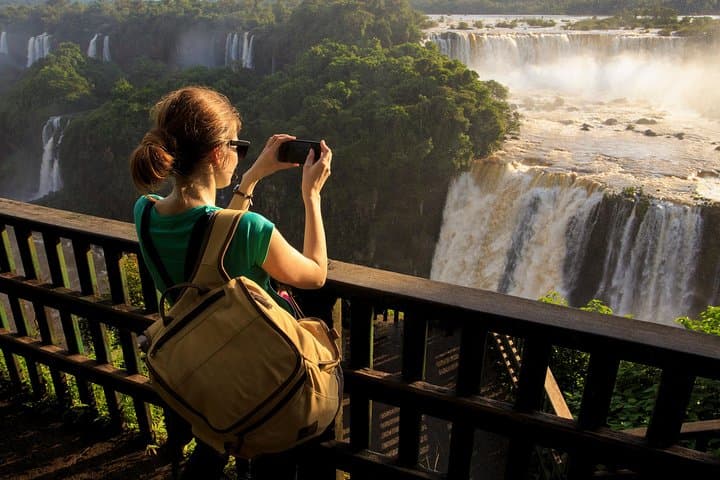

You step off the park shuttle and the air changes—cool, charged, wet. The boardwalks on the Brazilian side of Iguaçu Park stretch like a spine along the cliff edge, and every turn opens a new panorama: cascades slicing through mist, rainbows slashing across the spray, and the rumble of the Devil’s Throat daring you closer.
You step off the park shuttle and the air changes—cool, charged, wet. The boardwalks on the Brazilian side of Iguaçu Park stretch like a spine along the cliff edge, and every turn opens a new panorama: cascades slicing through mist, rainbows slashing across the spray, and the rumble of the Devil’s Throat daring you closer.
The falls sit on the border of Argentina and Brazil where tectonic uplift and volcanic basalt flows created a plateau that the Iguazú River now tears through. Indigenous Guarani communities have long held the falls as a place of power; later 19th-century explorers and conservationists pushed for protected parkland that today balances tourism and protection.
Culturally the area is bilingual and practical—Portuguese signage, Spanish-speaking neighbors, and a steady flow of vendors and park staff who keep circulation moving. Geology shows in every layer of rock and every braided cataract; ecology shows in the forest canopy that frames the viewpoints and in the resident coatis that check backpacks.
Practically: plan for 5–6 hours including border formalities. Bring a passport and any required visa, quick-dry layers, a lightweight waterproof, and strong shoes for wet, sometimes slippery walkways. Expect heavy mist near Floriano Fall and loud sound at Devil’s Throat; ear-sensitive travelers should prepare. Midday light gives the best panoramas but mornings are cooler and less crowded. Guides manage logistics and timing; customs and entry lines can add time, so keep flights and onward plans flexible.