THE ADVENTURE COLLECTIVE® · Independent discovery and booking for outdoor travel

Experience the thunderous panorama of Iguassu Falls from the Brazilian side, then wander the walkways of Parque das Aves to meet rescued macaws and native species. This private 4–5 hour tour combines dramatic viewpoints with conservation-minded wildlife encounters.
Experience the thunderous panorama of Iguassu Falls from the Brazilian side, then wander the walkways of Parque das Aves to meet rescued macaws and native species. This private 4–5 hour tour combines dramatic viewpoints with conservation-minded wildlife encounters.
You step off the minivan into a spray of water and sound—the falls announcing themselves before you can see them. On the Brazilian side the viewpoint stretches like a promenade at the lip of the gorge; mist puffs across your face, and the roar of dozens of plunging cataracts reorganizes your sense of scale. Later, at Parque das Aves, macaws shift through the canopy as handlers move quietly between enclosures, colors flashing like living flags.
Verified experiences and guided adventures in the surrounding area.
Operated by Neumann Operadora de Receptivo · Foz do Iguaçu, Paraná
You step off the minivan into a spray of water and sound—the falls announcing themselves before you can see them. On the Brazilian side the viewpoint stretches like a promenade at the lip of the gorge; mist puffs across your face, and the roar of dozens of plunging cataracts reorganizes your sense of scale. Later, at Parque das Aves, macaws shift through the canopy as handlers move quietly between enclosures, colors flashing like living flags.
Iguassu (Iguaçu) is a geology lesson in motion: volcanic basalt and millions of years of erosion split the Parana Plateau into the system of some 275 individual falls that together create one of the world’s largest waterfalls. The Brazilian park was set aside to protect the falls’ sweeping viewpoints and surrounding Atlantic Forest, habitat for species both endemic and rescued. Parque das Aves started as a conservation-minded sanctuary focused on macaws and other native birds; today it combines rescue, breeding, and rehabilitation with public trails.
The practical part of the day is straightforward: expect 4–5 hours door-to-door with private transport, moderate walking on paved boardwalks, and pockets of uneven stone at lookouts. Wear grippy shoes and a lightweight rain shell, keep electronics in a dry pouch, and plan for humidity—early morning light and later afternoon are best for photos and cooler air. Guides steer you to quieter viewpoints and manage ticket logistics, so bring ID, insect repellent, and a curiosity for both roaring water and raucous birdlife.
moderate.
4–5 hours.
Moderate fitness for walking boardwalks and short stairs; most routes are low-impact but require mobility for standing and brief climbs.
Admission is typically not included in the base private tour price; your guide can arrange tickets and advise current fees.
Boardwalks and viewpoints usually total 1–2 kilometers of easy walking with several short stairs and lookouts.
Yes—children are welcome but must be supervised; some viewpoints have wet conditions and require care near rails.
The main Brazilian side trails have accessible sections and ramps, but some viewpoints include steps—check with the operator for specific accessibility needs.
Iguaçu Falls sits on the border shaped by basalt flows from ancient volcanic activity and has long been part of Guarani territory; the Brazilian park and surrounding sanctuaries grew from 20th-century conservation efforts.
Both the national park and Parque das Aves focus on habitat protection and rehabilitation—visitors are asked to follow guidelines that minimize disturbance and support rescue programs.
Neumann Operadora de Receptivo operates guided outdoor trips and adventures with an emphasis on safety, stewardship, and memorable experiences.
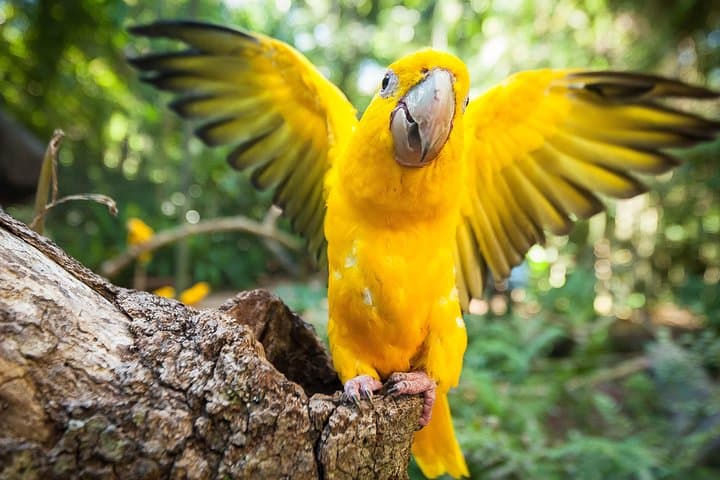
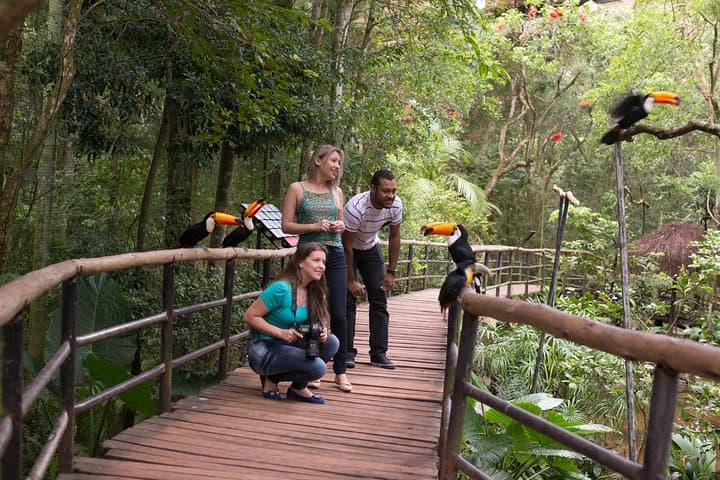


You step off the minivan into a spray of water and sound—the falls announcing themselves before you can see them. On the Brazilian side the viewpoint stretches like a promenade at the lip of the gorge; mist puffs across your face, and the roar of dozens of plunging cataracts reorganizes your sense of scale. Later, at Parque das Aves, macaws shift through the canopy as handlers move quietly between enclosures, colors flashing like living flags.
You step off the minivan into a spray of water and sound—the falls announcing themselves before you can see them. On the Brazilian side the viewpoint stretches like a promenade at the lip of the gorge; mist puffs across your face, and the roar of dozens of plunging cataracts reorganizes your sense of scale. Later, at Parque das Aves, macaws shift through the canopy as handlers move quietly between enclosures, colors flashing like living flags.
Iguassu (Iguaçu) is a geology lesson in motion: volcanic basalt and millions of years of erosion split the Parana Plateau into the system of some 275 individual falls that together create one of the world’s largest waterfalls. The Brazilian park was set aside to protect the falls’ sweeping viewpoints and surrounding Atlantic Forest, habitat for species both endemic and rescued. Parque das Aves started as a conservation-minded sanctuary focused on macaws and other native birds; today it combines rescue, breeding, and rehabilitation with public trails.
The practical part of the day is straightforward: expect 4–5 hours door-to-door with private transport, moderate walking on paved boardwalks, and pockets of uneven stone at lookouts. Wear grippy shoes and a lightweight rain shell, keep electronics in a dry pouch, and plan for humidity—early morning light and later afternoon are best for photos and cooler air. Guides steer you to quieter viewpoints and manage ticket logistics, so bring ID, insect repellent, and a curiosity for both roaring water and raucous birdlife.