THE ADVENTURE COLLECTIVE® · Independent discovery and booking for outdoor travel

An eight-day guided circuit across Brava’s crater basins, coastal pools and volcanic ridgelines—ideal for hikers who want varied daily walks, local culture and ferry transfers to neighboring Fogo. Expect rocky trails, dramatic coastal drops and quiet village hospitality.
An eight-day guided circuit across Brava’s crater basins, coastal pools and volcanic ridgelines—ideal for hikers who want varied daily walks, local culture and ferry transfers to neighboring Fogo. Expect rocky trails, dramatic coastal drops and quiet village hospitality.
Wind cuts across the stair-stepped streets of Nova Sintra as you tighten your boots and set off—green valleys open below and the Atlantic glitters along the island rim. Over eight days you follow shepherd tracks and old mule paths, descend to natural tide pools and climb toward volcanic ridgelines where trade winds push you onward.
Verified experiences and guided adventures in the surrounding area.
Operated by Bu Country Tours · Nova Sintra, Brava
Wind cuts across the stair-stepped streets of Nova Sintra as you tighten your boots and set off—green valleys open below and the Atlantic glitters along the island rim. Over eight days you follow shepherd tracks and old mule paths, descend to natural tide pools and climb toward volcanic ridgelines where trade winds push you onward.
Brava is one of Cape Verde’s smallest inhabited islands and its story is volcanic: steep-sided calderas, lava flows and fertile crater basins shaped the pattern of villages and terraced gardens. The culture here blends Cape Verdean Creole rhythms with strong ties to family farming; you’ll pass small plots of corn, fruit trees and the restored colonial houses of Nova Sintra. Geology is visible at every turn—black lava fields by Mosteiros, pumice soils in high pastures and the sudden plunge to sea at Fajã d'Água.
Expect daily hikes of 5–10 km on uneven, sometimes cobbled trails, occasional steep sections and plentiful viewpoints rather than long technical climbs. Local guides lead the route, arrange ferries between Brava and nearby Fogo, and introduce you to island hospitality—simple lunches, hotel rooms each night and a rhythm that prioritizes walking daylight and cool mornings.
Practical tips: start early to avoid midday sun, carry at least 2 liters of water per person, use supportive footwear with good grip for lava and cobble, and pack a lightweight rain layer—showers can arrive quickly. Ferry schedules between islands are subject to change, so leave buffer days when connecting on or off Brava.
moderate.
8 days.
Good general fitness for consecutive days of 5–10 km walking, with some steep ascents and uneven terrain.
You should have a moderate fitness level—expect consecutive days of 3–5 hours of walking on uneven and sometimes steep trails.
Ferry tickets for the Brava–Fogo transfers are included as noted, but schedules can change so operators advise leaving flexible connection times.
The itinerary includes hotel stays (7 nights) in locally run guesthouses or eco-lodges; nights are typically in Nova Sintra and Fajã d'Água areas.
Yes—vegetarian options are available upon request; lunches often feature fish or meat by default unless specified.
Brava’s settlements grew around fertile crater basins and historic colonial-era houses in Nova Sintra, with agriculture and fishing shaping local life for centuries.
Trails cross fragile terraces and endemic habitats; stick to marked paths, avoid disturbing nesting seabirds and support local guides to minimize impact.
Bu Country Tours operates guided outdoor trips and adventures with an emphasis on safety, stewardship, and memorable experiences.
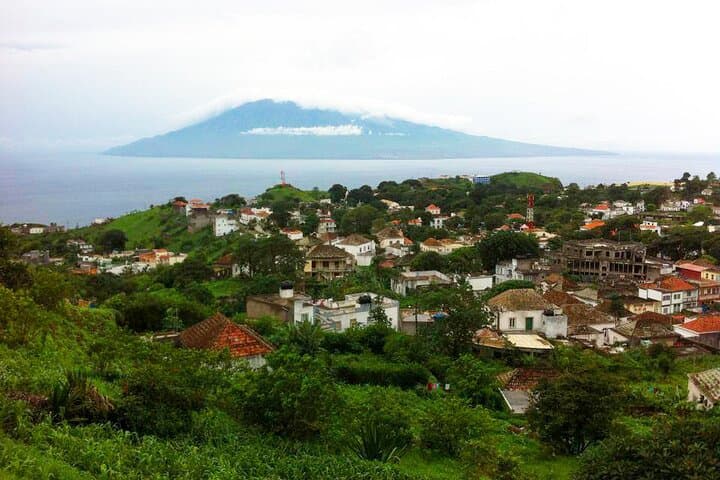
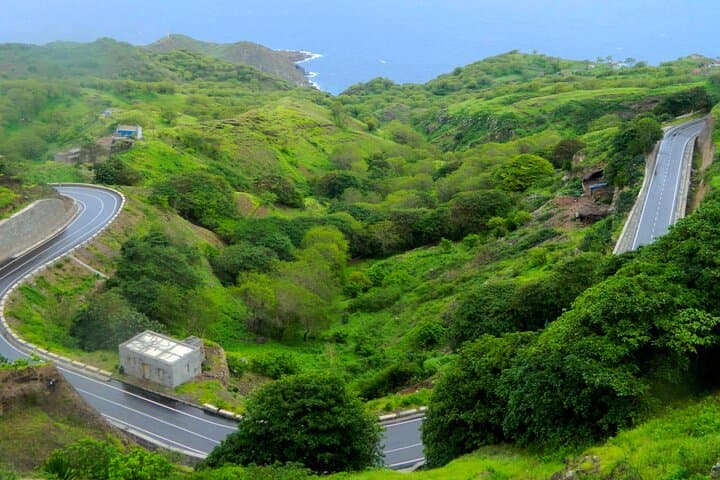

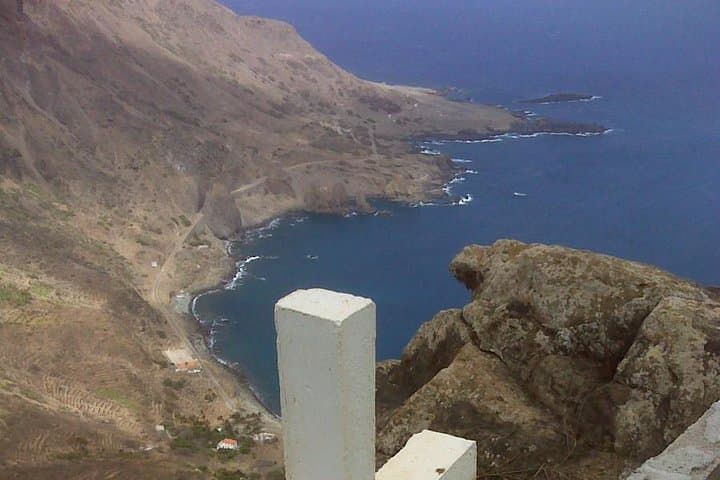
Wind cuts across the stair-stepped streets of Nova Sintra as you tighten your boots and set off—green valleys open below and the Atlantic glitters along the island rim. Over eight days you follow shepherd tracks and old mule paths, descend to natural tide pools and climb toward volcanic ridgelines where trade winds push you onward.
Wind cuts across the stair-stepped streets of Nova Sintra as you tighten your boots and set off—green valleys open below and the Atlantic glitters along the island rim. Over eight days you follow shepherd tracks and old mule paths, descend to natural tide pools and climb toward volcanic ridgelines where trade winds push you onward.
Brava is one of Cape Verde’s smallest inhabited islands and its story is volcanic: steep-sided calderas, lava flows and fertile crater basins shaped the pattern of villages and terraced gardens. The culture here blends Cape Verdean Creole rhythms with strong ties to family farming; you’ll pass small plots of corn, fruit trees and the restored colonial houses of Nova Sintra. Geology is visible at every turn—black lava fields by Mosteiros, pumice soils in high pastures and the sudden plunge to sea at Fajã d'Água.
Expect daily hikes of 5–10 km on uneven, sometimes cobbled trails, occasional steep sections and plentiful viewpoints rather than long technical climbs. Local guides lead the route, arrange ferries between Brava and nearby Fogo, and introduce you to island hospitality—simple lunches, hotel rooms each night and a rhythm that prioritizes walking daylight and cool mornings.
Practical tips: start early to avoid midday sun, carry at least 2 liters of water per person, use supportive footwear with good grip for lava and cobble, and pack a lightweight rain layer—showers can arrive quickly. Ferry schedules between islands are subject to change, so leave buffer days when connecting on or off Brava.