THE ADVENTURE COLLECTIVE® · Independent discovery and booking for outdoor travel

A compact but bold hike on Brava that climbs from sea level into the island's volcanic interior, linking coastal Fajã d'Água with the ridge at Cruz before a historic cobbled descent. Expect steep sections, ancient stonework, and panoramic Atlantic views.
A compact but bold hike on Brava that climbs from sea level into the island's volcanic interior, linking coastal Fajã d'Água with the ridge at Cruz before a historic cobbled descent. Expect steep sections, ancient stonework, and panoramic Atlantic views.
You start at sea level where Atlantic spray salts the air and a narrow ribeira—an intermittent stream—calls you uphill. The path tightens quickly; basalt walls rise and a stitched cobbled road appears, guiding a steep climb toward Cruz. The island breathes here: wind combs the hills, and the trail alternates between shaded ravines and exposed terraces that push you onward.
Verified experiences and guided adventures in the surrounding area.
Operated by Bu Country Tours · Nova Sintra, Brava
You start at sea level where Atlantic spray salts the air and a narrow ribeira—an intermittent stream—calls you uphill. The path tightens quickly; basalt walls rise and a stitched cobbled road appears, guiding a steep climb toward Cruz. The island breathes here: wind combs the hills, and the trail alternates between shaded ravines and exposed terraces that push you onward.
Brava is the smallest inhabited island of Cape Verde and Nova Sintra, its administrative center, bears colonial-era stone houses and Portuguese-influenced street names. Geologically the island is volcanic; dark lava forms cliffs and fertile pockets called fajãs where the water collects after rain. Locals historically farm terraced plots and move between coastal hamlets by foot—this route follows that practical network, linking Fajã d'Água with Cruz via the old cobbled way.
Expect a sustained climb of several hundred meters over roughly two kilometers, followed by a longer downhill on firm, cobbled surfaces. The ribeira can be dry outside the rainy season but will roar after storms, daring hikers to respect its force. Cultural touches—small shrines, agricultural terraces, and occasional herders—appear without fanfare.
Practical guidance: wear grippy hiking shoes and bring 1.5–2 liters of water, sunscreen, and a light wind layer. Start early to avoid the midday sun and coordinate pickup in Nova Sintra or the harbor; the full experience, including transport, runs about four hours. Moderate fitness and sure-footedness on uneven stone are required; the trail rewards effort with coastal views and a genuine island walk that feels off the typical tourist track.
The guided experience lasts about four hours total with roughly 1–2 hours of steady uphill and a longer descent; it’s moderate in difficulty with sustained climbing on uneven surfaces.
Yes—private transportation for pickup and drop-off from Nova Sintra or the harbor is included in the tour.
Dry months (late fall through spring) offer more stable trails; avoid heavy-rain periods when the ribeira can flood and paths become slippery.
Facilities are limited; small settlements may offer snacks or water, but plan to bring supplies and use restrooms in Nova Sintra before starting.
Bu Country Tours operates guided outdoor trips and adventures with an emphasis on safety, stewardship, and memorable experiences.

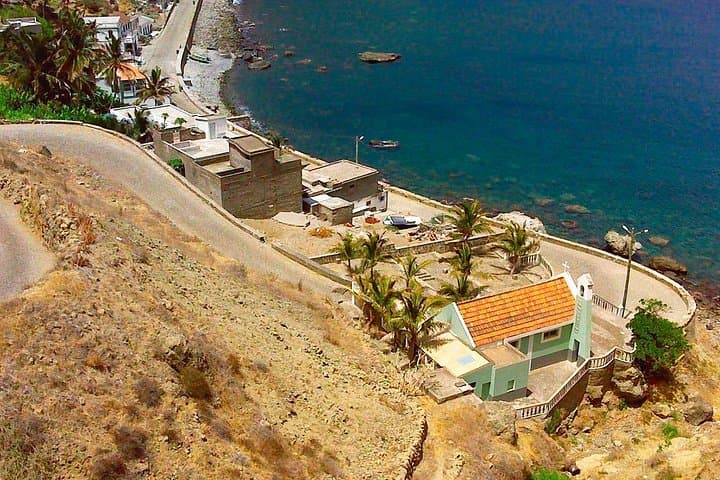
You start at sea level where Atlantic spray salts the air and a narrow ribeira—an intermittent stream—calls you uphill. The path tightens quickly; basalt walls rise and a stitched cobbled road appears, guiding a steep climb toward Cruz. The island breathes here: wind combs the hills, and the trail alternates between shaded ravines and exposed terraces that push you onward.
You start at sea level where Atlantic spray salts the air and a narrow ribeira—an intermittent stream—calls you uphill. The path tightens quickly; basalt walls rise and a stitched cobbled road appears, guiding a steep climb toward Cruz. The island breathes here: wind combs the hills, and the trail alternates between shaded ravines and exposed terraces that push you onward.
Brava is the smallest inhabited island of Cape Verde and Nova Sintra, its administrative center, bears colonial-era stone houses and Portuguese-influenced street names. Geologically the island is volcanic; dark lava forms cliffs and fertile pockets called fajãs where the water collects after rain. Locals historically farm terraced plots and move between coastal hamlets by foot—this route follows that practical network, linking Fajã d'Água with Cruz via the old cobbled way.
Expect a sustained climb of several hundred meters over roughly two kilometers, followed by a longer downhill on firm, cobbled surfaces. The ribeira can be dry outside the rainy season but will roar after storms, daring hikers to respect its force. Cultural touches—small shrines, agricultural terraces, and occasional herders—appear without fanfare.
Practical guidance: wear grippy hiking shoes and bring 1.5–2 liters of water, sunscreen, and a light wind layer. Start early to avoid the midday sun and coordinate pickup in Nova Sintra or the harbor; the full experience, including transport, runs about four hours. Moderate fitness and sure-footedness on uneven stone are required; the trail rewards effort with coastal views and a genuine island walk that feels off the typical tourist track.