THE ADVENTURE COLLECTIVE® · Independent discovery and booking for outdoor travel

Spend three hours moving from city streets to vine rows with a local sommelier who explains Slovak varieties, soils and cellar techniques. This guided tasting pairs regional wines with local bites and optional private transfers for a relaxed, informative experience.
Spend three hours moving from city streets to vine rows with a local sommelier who explains Slovak varieties, soils and cellar techniques. This guided tasting pairs regional wines with local bites and optional private transfers for a relaxed, informative experience.
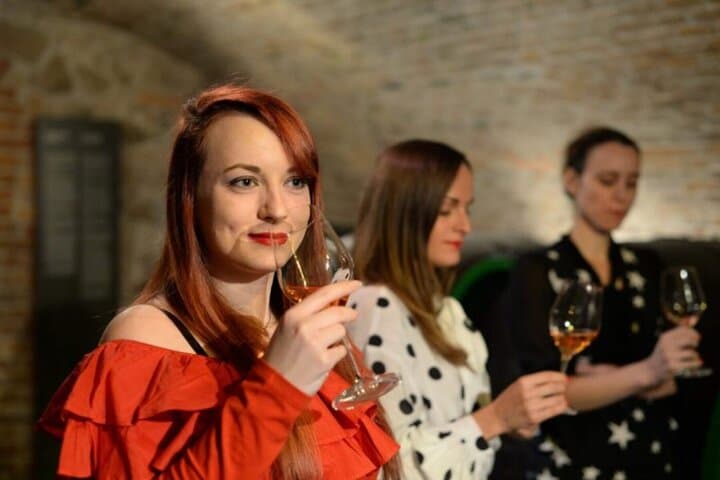
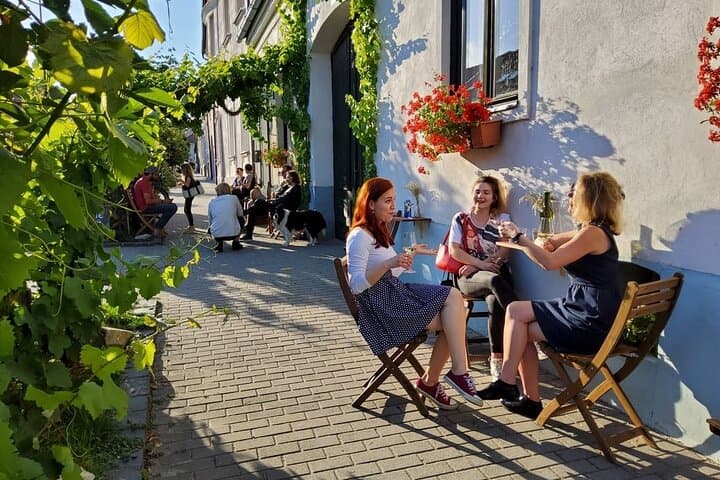
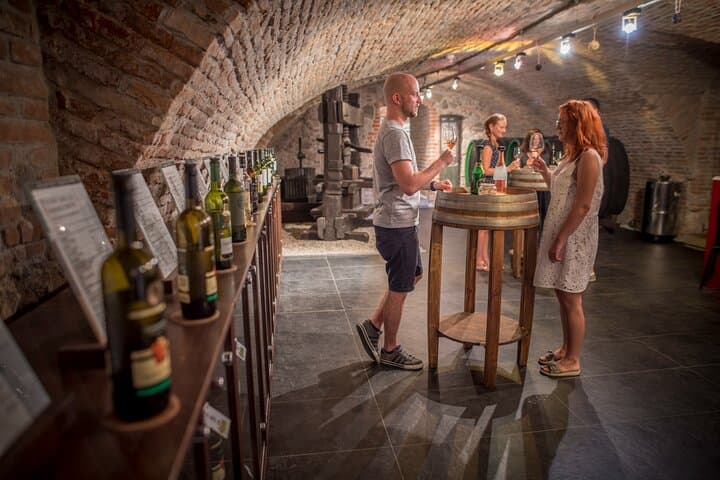
A morning light softens the slopes above Bratislava as the van winds out of the city and into rows of trellised vines. The air carries a mix of cut grass and fermenting fruit; the guide points out soil changes as if reading a map, and the sommelier waits in a cool tasting room where oak and mineral notes hang in the rafters.
Verified experiences and guided adventures in the surrounding area.
Operated by SmartWay Trips · Bratislava, Bratislava Region
A morning light softens the slopes above Bratislava as the van winds out of the city and into rows of trellised vines. The air carries a mix of cut grass and fermenting fruit; the guide points out soil changes as if reading a map, and the sommelier waits in a cool tasting room where oak and mineral notes hang in the rafters.
This short tour threads geology, history and viticulture: the Small Carpathians are young mountains of limestone and loess that influence drainage and acidity, while Central European winemaking here traces back to medieval monastic estates and Habsburg market routes. Slovak varieties sit alongside international grapes—local whites often show bright acidity and minerality, reds are leaner than their western European cousins.
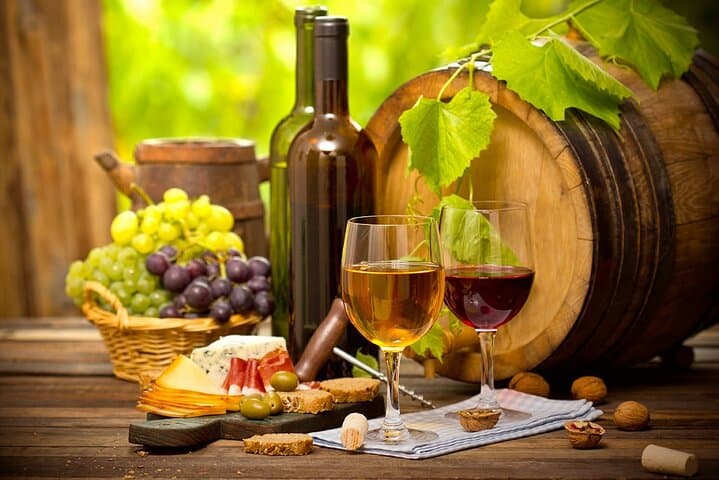
Culturally the experience balances hands-on tasting with stories: producers’ post-communist revival, cellar techniques, and why terroir matters in a compact valley. Expect a guided vineyard walk, a seated tasting of regional whites and reds, and a pairing of local charcuterie or cheese.
Practically: wear stable shoes for gravel rows, bring a light jacket for breezy afternoons, and plan transport—private transfers are available if you prefer not to drive after tasting. Tours run about three hours and are suitable for most fitness levels; pace is conversational rather than strenuous. Hydrate between samples and ask the sommelier for bottles to buy locally—many estates ship within the EU. This is an accessible introduction to Slovak wine for curious travelers who want context with every sip.
easy.
3 hours.
Suitable for most travelers; requires short walks on gentle slopes and standing during tastings.
The experience runs approximately three hours, typically including a vineyard walk and two seated tasting segments.
Optional private transfers are offered to and from Bratislava; public transport options exist but are limited for some vineyards.
Yes—most estates sell bottles onsite and can advise on shipping or carry-on transport within EU rules.
Yes—non-drinkers can enjoy the vineyard walk and pairings; specify dietary requirements when booking so hosts can adapt offerings.
The Small Carpathians have hosted viticulture since medieval times; vineyards expanded with trade routes under the Habsburgs and evolved through 20th-century political shifts.
Many wineries practice low-intervention farming and maintain grassed rows to reduce erosion; visitors should stay on marked paths and avoid disturbing wildlife.
SmartWay Trips operates guided outdoor trips and adventures with an emphasis on safety, stewardship, and memorable experiences.
A morning light softens the slopes above Bratislava as the van winds out of the city and into rows of trellised vines. The air carries a mix of cut grass and fermenting fruit; the guide points out soil changes as if reading a map, and the sommelier waits in a cool tasting room where oak and mineral notes hang in the rafters.
A morning light softens the slopes above Bratislava as the van winds out of the city and into rows of trellised vines. The air carries a mix of cut grass and fermenting fruit; the guide points out soil changes as if reading a map, and the sommelier waits in a cool tasting room where oak and mineral notes hang in the rafters.
This short tour threads geology, history and viticulture: the Small Carpathians are young mountains of limestone and loess that influence drainage and acidity, while Central European winemaking here traces back to medieval monastic estates and Habsburg market routes. Slovak varieties sit alongside international grapes—local whites often show bright acidity and minerality, reds are leaner than their western European cousins.
Culturally the experience balances hands-on tasting with stories: producers’ post-communist revival, cellar techniques, and why terroir matters in a compact valley. Expect a guided vineyard walk, a seated tasting of regional whites and reds, and a pairing of local charcuterie or cheese.
Practically: wear stable shoes for gravel rows, bring a light jacket for breezy afternoons, and plan transport—private transfers are available if you prefer not to drive after tasting. Tours run about three hours and are suitable for most fitness levels; pace is conversational rather than strenuous. Hydrate between samples and ask the sommelier for bottles to buy locally—many estates ship within the EU. This is an accessible introduction to Slovak wine for curious travelers who want context with every sip.