THE ADVENTURE COLLECTIVE® · Independent discovery and booking for outdoor travel

Ride along Brasilito’s Pacific edge where beach canters meet shaded dry-forest trails. This two-hour private tour mixes coastal views, wildlife sightings, and local riding tradition—ideal for travelers with moderate fitness.
Ride along Brasilito’s Pacific edge where beach canters meet shaded dry-forest trails. This two-hour private tour mixes coastal views, wildlife sightings, and local riding tradition—ideal for travelers with moderate fitness.
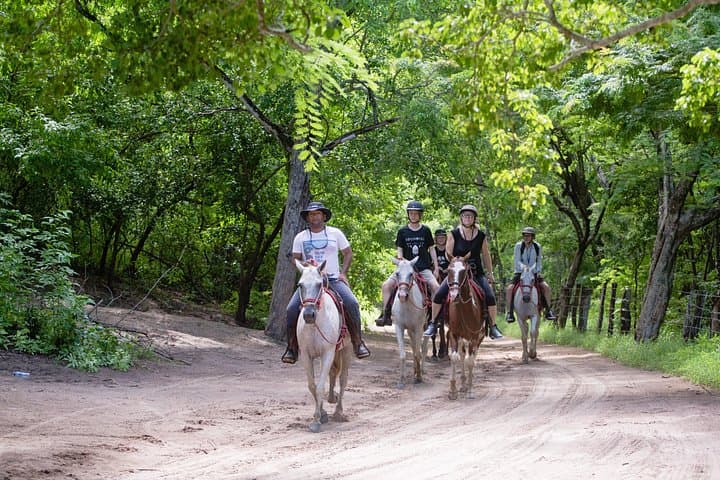
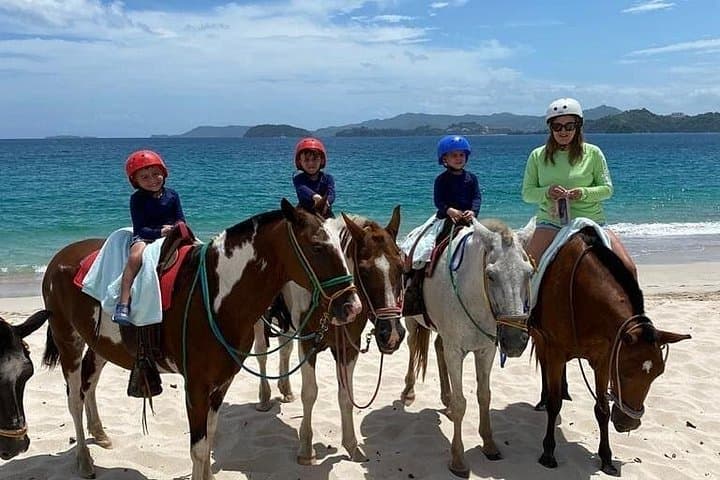
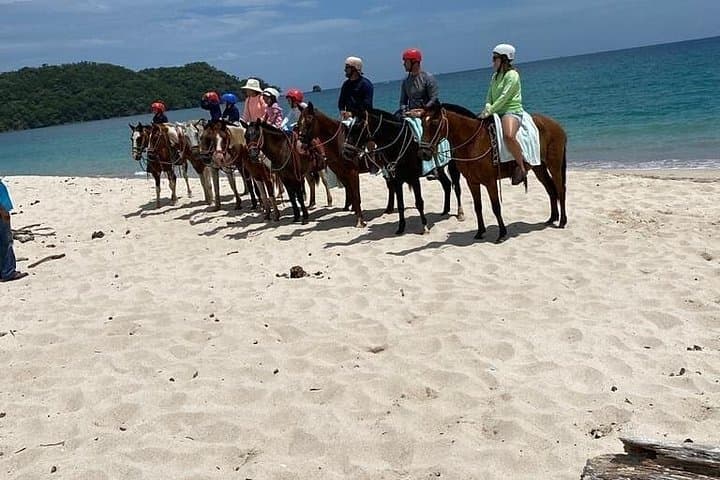
Saddle up on a warm afternoon and the Pacific pushes a steady rhythm against the shore as you trot along Brasilito’s open sand. The beach opens ahead, surf daring you to step closer, while shaded trails thread through dry forest where howler and capuchin monkeys move like quick punctuation between branches.
Verified experiences and guided adventures in the surrounding area.
Operated by Maynors Adventure Tours · Brasilito, Guanacaste
Saddle up on a warm afternoon and the Pacific pushes a steady rhythm against the shore as you trot along Brasilito’s open sand. The beach opens ahead, surf daring you to step closer, while shaded trails thread through dry forest where howler and capuchin monkeys move like quick punctuation between branches.
This stretch of Guanacaste sits on volcanic soils that created the low ridgelines and rocky headlands framing the bay. The human story is coastal and practical: fishing villages that grew into small beach towns where cowboy (sabanero) traditions met surf culture, and horses remain part of local life and tourism.
On a two-hour guided ride you’ll mix short beach canters with slower forest sections, pause at lookouts, and learn about local flora—ceiba, guanacaste, and thorny scrub adapted to the dry season. Guides often point out butterflies, iguanas, and birds that thrive in the transition between mangrove flats and upland scrub.
Practical notes: tours are typically private and require moderate fitness—mounting, short walks on uneven sand, and controlling a well-trained horse. Helmets are provided; wear closed-toe shoes and sun protection. Morning rides are cooler and better for wildlife; late-afternoon departures promise a strong chance of sunset reflections on the water.
Expect well-maintained trails, friendly local guides, and a mix of beach and shaded path riding. Bring water, a small daypack, and a camera with a secure strap. This is a straightforward way to see Guanacaste’s coastline from a low, human-powered perspective—quiet, immediate, and rooted in local riding traditions.
moderate.
2 hours.
Moderate; able to mount/dismount and sit comfortably for 60–90 minutes while controlling a horse
No — most tours accommodate beginners and provide basic instruction; declare experience level when booking.
Yes; operators typically supply helmets and advise their use for safety.
Often yes — rides include beach time for photos and short swims, but follow guide instructions about currents and safe zones.
Full refund if canceled at least 24 hours before departure; tours may be canceled for insufficient travelers per operator policy.
Coastal communities here grew from fishing and cattle ranching; horseback traditions trace to Guanacaste’s sabanero culture and remain part of local identity.
Stay on designated trails to protect fragile dry-forest soils and nesting birds; many operators limit group size to reduce erosion and disturbance.
Maynors Adventure Tours operates guided outdoor trips and adventures with an emphasis on safety, stewardship, and memorable experiences.
Saddle up on a warm afternoon and the Pacific pushes a steady rhythm against the shore as you trot along Brasilito’s open sand. The beach opens ahead, surf daring you to step closer, while shaded trails thread through dry forest where howler and capuchin monkeys move like quick punctuation between branches.
Saddle up on a warm afternoon and the Pacific pushes a steady rhythm against the shore as you trot along Brasilito’s open sand. The beach opens ahead, surf daring you to step closer, while shaded trails thread through dry forest where howler and capuchin monkeys move like quick punctuation between branches.
This stretch of Guanacaste sits on volcanic soils that created the low ridgelines and rocky headlands framing the bay. The human story is coastal and practical: fishing villages that grew into small beach towns where cowboy (sabanero) traditions met surf culture, and horses remain part of local life and tourism.
On a two-hour guided ride you’ll mix short beach canters with slower forest sections, pause at lookouts, and learn about local flora—ceiba, guanacaste, and thorny scrub adapted to the dry season. Guides often point out butterflies, iguanas, and birds that thrive in the transition between mangrove flats and upland scrub.
Practical notes: tours are typically private and require moderate fitness—mounting, short walks on uneven sand, and controlling a well-trained horse. Helmets are provided; wear closed-toe shoes and sun protection. Morning rides are cooler and better for wildlife; late-afternoon departures promise a strong chance of sunset reflections on the water.
Expect well-maintained trails, friendly local guides, and a mix of beach and shaded path riding. Bring water, a small daypack, and a camera with a secure strap. This is a straightforward way to see Guanacaste’s coastline from a low, human-powered perspective—quiet, immediate, and rooted in local riding traditions.