THE ADVENTURE COLLECTIVE® · Independent discovery and booking for outdoor travel

Glide along the Brahmaputra on a traditional wooden houseboat and watch river islands, morning fish markets, and riverside life unfold over four days. This tour pairs slow travel with practical insight into Bangladesh’s waterways.
Glide along the Brahmaputra on a traditional wooden houseboat and watch river islands, morning fish markets, and riverside life unfold over four days. This tour pairs slow travel with practical insight into Bangladesh’s waterways.
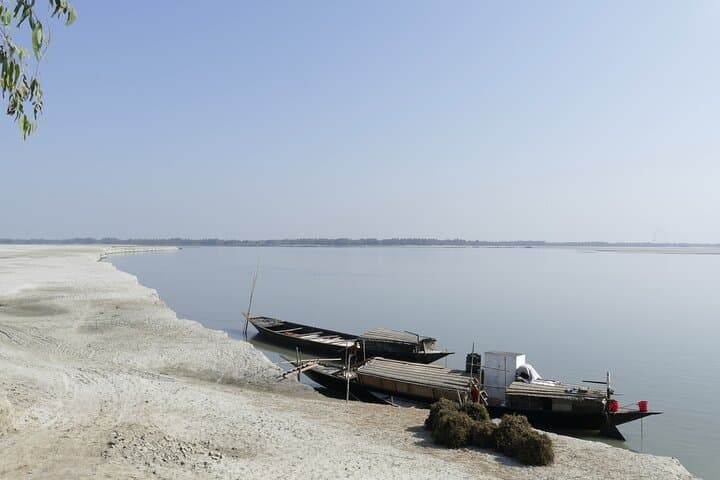
You push off before dawn and the river takes the lead: mist lifting from the Brahmaputra, wooden planks creaking as the engine finds its rhythm and river islands slide past like living postcards.
Verified experiences and guided adventures in the surrounding area.
Operated by Towfiqul Ahmed Titu · Dhaka, Dhaka Division
You push off before dawn and the river takes the lead: mist lifting from the Brahmaputra, wooden planks creaking as the engine finds its rhythm and river islands slide past like living postcards.
This four-day houseboat route moves north from Dhaka toward Dewanganj, Fulchori, Rowmari and Chilmari, threading through channels that shape Bangladesh's agricultural plain. The Brahmaputra is young geologically — a high-energy river of sands and shifting bars — and that motion defines local life: seasonal markets on the banks, floating fish stalls, and villages that adjust houses every monsoon.
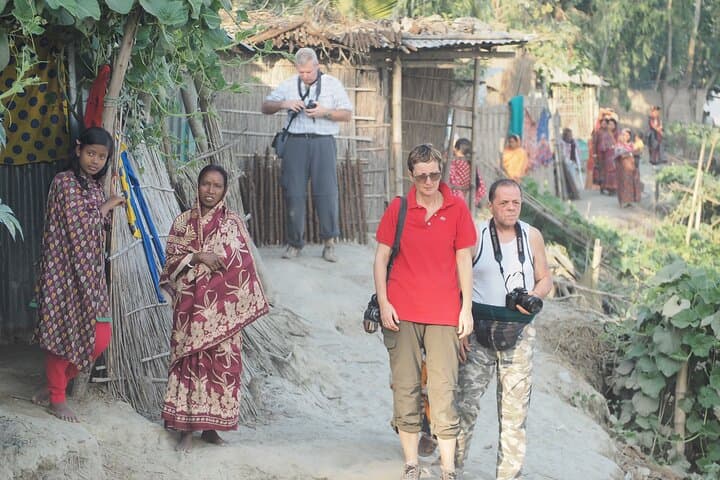
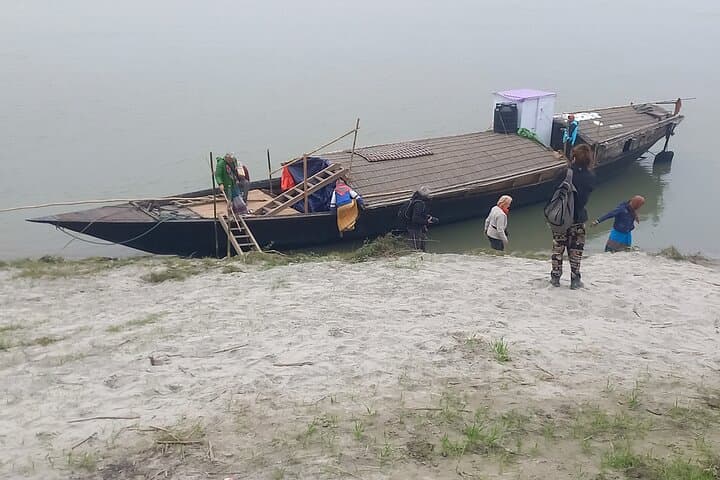
Culturally, the trip is an immersion in riverborne livelihoods. You’ll see fishermen hauling nets at first light, small temple platforms on eroded banks, and trade that still relies on boats rather than roads. The wooden houseboats used here are simple, crewed by local navigators and cooks who know the river's moods.
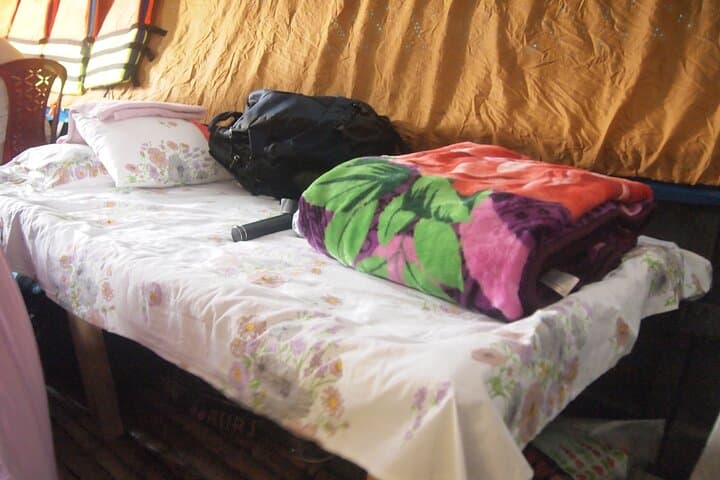
Practical guidance: pack for humidity and sun, expect basic but clean sleeping quarters onboard, and bring cash for market stops. Travel days are long but low-impact physically — you move slowly and observe more than exert. Timing matters: dry-season months give clearer navigation and more exposed sandbars to explore; monsoon makes the river wider and wilder. Respect local customs when visiting river-island communities: ask before photographing and support local sellers.
This is a travel experience built around rhythm and patience: the river sets the pace, and the reward is close-up access to life lived on the water.
easy.
4 days.
Low aerobic effort required; suitable for travelers comfortable with multi-day low-activity travel and occasional boarding from small boats.
Local operators typically maintain simple wooden boats with crew; expect basic sleeping spaces, regular cleaning, and cooked meals but not luxury amenities.
International travelers must have a valid Bangladesh visa; no special river permits are usually required for this private tour, but carry ID and passport details as requested.
The tour is low-impact: most activity is sitting, short landings, and boarding small boats; it’s suitable for travelers of average mobility who can manage steps on and off the vessel.
Local crews can often accommodate reasonable dietary requests if informed in advance; bring specifics and any special items you require.
The Brahmaputra has shaped settlement and trade for centuries; river routes remained primary transport corridors before modern roads connected northern districts to Dhaka.
Riverbank erosion and seasonal flooding are active challenges; support local guides who practice low-impact visits and buy from community sellers to aid resilient livelihoods.
Towfiqul Ahmed Titu operates guided outdoor trips and adventures with an emphasis on safety, stewardship, and memorable experiences.
You push off before dawn and the river takes the lead: mist lifting from the Brahmaputra, wooden planks creaking as the engine finds its rhythm and river islands slide past like living postcards.
You push off before dawn and the river takes the lead: mist lifting from the Brahmaputra, wooden planks creaking as the engine finds its rhythm and river islands slide past like living postcards.
This four-day houseboat route moves north from Dhaka toward Dewanganj, Fulchori, Rowmari and Chilmari, threading through channels that shape Bangladesh's agricultural plain. The Brahmaputra is young geologically — a high-energy river of sands and shifting bars — and that motion defines local life: seasonal markets on the banks, floating fish stalls, and villages that adjust houses every monsoon.
Culturally, the trip is an immersion in riverborne livelihoods. You’ll see fishermen hauling nets at first light, small temple platforms on eroded banks, and trade that still relies on boats rather than roads. The wooden houseboats used here are simple, crewed by local navigators and cooks who know the river's moods.
Practical guidance: pack for humidity and sun, expect basic but clean sleeping quarters onboard, and bring cash for market stops. Travel days are long but low-impact physically — you move slowly and observe more than exert. Timing matters: dry-season months give clearer navigation and more exposed sandbars to explore; monsoon makes the river wider and wilder. Respect local customs when visiting river-island communities: ask before photographing and support local sellers.
This is a travel experience built around rhythm and patience: the river sets the pace, and the reward is close-up access to life lived on the water.