THE ADVENTURE COLLECTIVE® · Independent discovery and booking for outdoor travel

Ride e-mountain bikes across Brač’s limestone lanes, visit centuries-old settlements and taste island-pressed olive oil. This half-day tour mixes accessible singletrack and paved roads with guided cultural stops.
Ride e-mountain bikes across Brač’s limestone lanes, visit centuries-old settlements and taste island-pressed olive oil. This half-day tour mixes accessible singletrack and paved roads with guided cultural stops.
The day begins with the sea on your left and limestone roads unfurling ahead—the hum of an e-mountain bike making uphill switchbacks feel like gentle negotiation rather than a battle.
Verified experiences and guided adventures in the surrounding area.
Operated by Aldura Sport Day Tours · Supetar, Split-Dalmatia County
The day begins with the sea on your left and limestone roads unfurling ahead—the hum of an e-mountain bike making uphill switchbacks feel like gentle negotiation rather than a battle.
You roll out from Sutivan through low pine and olive groves, the air cut by salt and thyme. Humac’s stone quarries and narrow lanes introduce Brač’s working geology: the island’s pale limestone has been quarried for centuries and built structures as far away as Split. In Nerežišća, a bonsai-like pine claiming a chapel roof and tight stone houses tell stories of island life oriented around wind, water scarcity and masonry skill. Škrip, the oldest settlement, reads like an open-air museum where every street corner carries a local anecdote.
The olive press visit and tasting bring cultural context—centuries of oil-making shaped terraces and diets here, and a curator explains how harvest timing, milling and storage change flavor profiles.
Practical guidance: expect mixed paved and gravel roads with short steep pitches where the e-assist is invaluable; brakes, basic gear shifting and attention to loose stone are key. Plan for roughly 4–5 hours on the bike with stops for gallery and museum visits; hydration and sun protection matter more than raw fitness. Lunch at the Olive Oil Museum includes regional fare and tasting; if you have dietary restrictions flag them in advance. Spare battery capacity is usually sufficient for the route, but charge fully before departure and carry a small repair kit and a charged phone.
This ride balances cultural stops with open island riding—accessible, instructive and quietly rugged.
moderate.
4–5 hours.
Suitable for riders with basic cycling fitness; e-assist reduces sustained climbing, but you should be comfortable on mixed gravel and paved roads.
E-bikes offer pedal-assist across multiple levels to ease climbs—riders still pedal but use less effort; guides tailor power usage to group ability.
Yes, the tour is marketed as suitable for most fitness levels thanks to e-assist, but participants should be comfortable balancing and braking on gravel sections.
Local guides commonly speak English; operators often include Croatian and sometimes other European languages—confirm during booking.
The included light lunch and olive oil tasting can usually accommodate common dietary restrictions if notified in advance—list requirements when booking.
Brač’s pale limestone has been quarried since Roman times and supplied stone for Diocletian’s Palace in nearby Split; Škrip is the island’s oldest settlement with millennia of human habitation.
Stick to marked roads and support local producers by buying olive oil directly; erosion control and respectful use of terraces are key to preserving the island’s agricultural heritage.
Aldura Sport Day Tours operates guided outdoor trips and adventures with an emphasis on safety, stewardship, and memorable experiences.
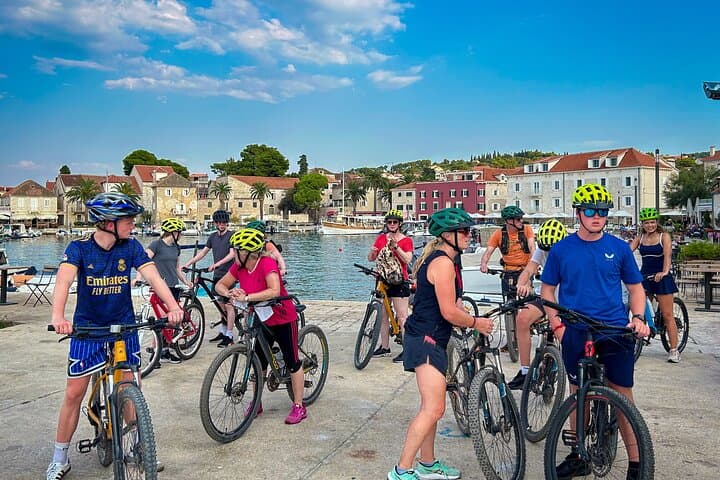
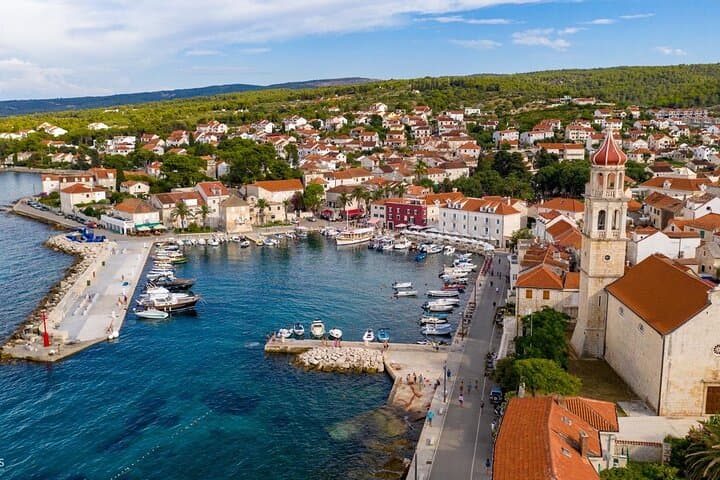
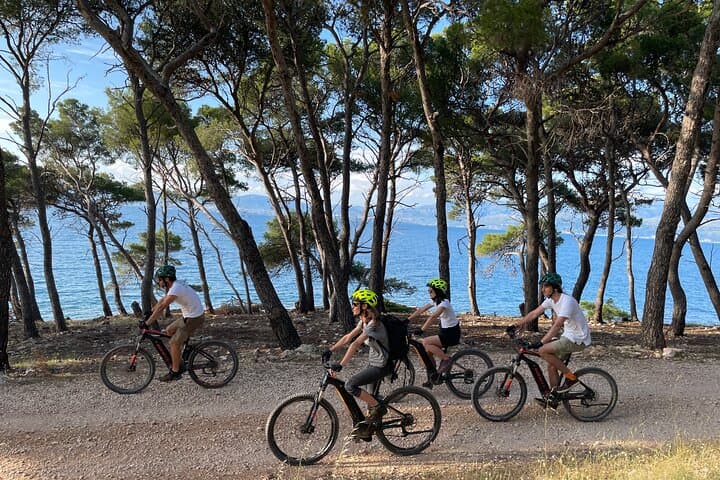
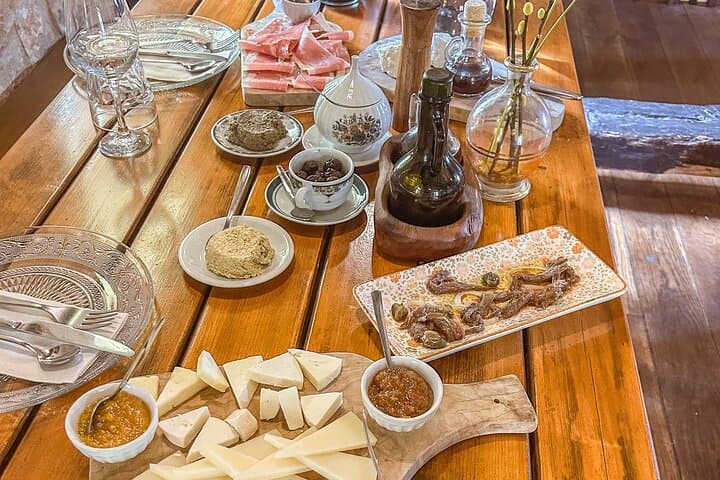
The day begins with the sea on your left and limestone roads unfurling ahead—the hum of an e-mountain bike making uphill switchbacks feel like gentle negotiation rather than a battle.
The day begins with the sea on your left and limestone roads unfurling ahead—the hum of an e-mountain bike making uphill switchbacks feel like gentle negotiation rather than a battle.
You roll out from Sutivan through low pine and olive groves, the air cut by salt and thyme. Humac’s stone quarries and narrow lanes introduce Brač’s working geology: the island’s pale limestone has been quarried for centuries and built structures as far away as Split. In Nerežišća, a bonsai-like pine claiming a chapel roof and tight stone houses tell stories of island life oriented around wind, water scarcity and masonry skill. Škrip, the oldest settlement, reads like an open-air museum where every street corner carries a local anecdote.
The olive press visit and tasting bring cultural context—centuries of oil-making shaped terraces and diets here, and a curator explains how harvest timing, milling and storage change flavor profiles.
Practical guidance: expect mixed paved and gravel roads with short steep pitches where the e-assist is invaluable; brakes, basic gear shifting and attention to loose stone are key. Plan for roughly 4–5 hours on the bike with stops for gallery and museum visits; hydration and sun protection matter more than raw fitness. Lunch at the Olive Oil Museum includes regional fare and tasting; if you have dietary restrictions flag them in advance. Spare battery capacity is usually sufficient for the route, but charge fully before departure and carry a small repair kit and a charged phone.
This ride balances cultural stops with open island riding—accessible, instructive and quietly rugged.