THE ADVENTURE COLLECTIVE® · Independent discovery and booking for outdoor travel

Walk the streets that shaped David Bowie: a focused two-hour private tour through Soho’s rehearsal rooms, studios and landmarks. Expect archival stories, exact addresses and accessible pacing that ties Bowie's early experiments to the modern neighborhood.
Walk the streets that shaped David Bowie: a focused two-hour private tour through Soho’s rehearsal rooms, studios and landmarks. Expect archival stories, exact addresses and accessible pacing that ties Bowie's early experiments to the modern neighborhood.
The evening light throws long shadows down Frith Street as you arrive; neon shopfronts flicker and the pavement remembers the city’s restless nights. On a two-hour loop through Soho your guide points out doorways, stairwells and studio facades where David Bowie rehearsed, failed, and remade himself — the streets acting like a chorus line, urging you forward.
Verified experiences and guided adventures in the surrounding area.
Operated by FlipsideLondon Tours · London, England
The evening light throws long shadows down Frith Street as you arrive; neon shopfronts flicker and the pavement remembers the city’s restless nights. On a two-hour loop through Soho your guide points out doorways, stairwells and studio facades where David Bowie rehearsed, failed, and remade himself — the streets acting like a chorus line, urging you forward.
Soho in the 1960s and 70s was London’s creative crucible: small clubs, pawned instruments on Denmark Street and independent studios like Trident where studio time and experimentation collided. Bowie moved through R&B bands, mime workshops with Lindsay Kemp and early recording sessions—each stop on the walk is a footnote in a larger cultural shift that helped define British rock. The built fabric here is post-medieval streets overlaid with Georgian townhouses and Victorian shopfronts; the urban geology is one of narrow alleys and human-scaled blocks that amplified conversation and chance encounters.
Expect anecdotes rich with local color, archival photos and precise addresses where key bands rehearsed. The tour is private, accessible, and paced for steady walking; it’s as much about place as persona. Practical points: wear comfortable shoes, bring a transit card for a straightforward arrival, and charge your phone—there are plaques, tiny courtyards and narrow lanes worth photographing. If rain moves in the chatter shifts indoors to cafes and record-shop doorways; if sun holds, the small squares offer clear views and a sense of how Soho’s sound spread outward.
This is a city walk that maps music history onto a living neighborhood — concise, contextual and easy to follow for anyone curious about Bowie’s formative years.
easy.
2 hours.
Light urban walking — suitable for most fitness levels; expect up to 1.5–2.5 miles with frequent stops.
Exact meeting points are provided at booking; typical starts are near Tottenham Court Road or Leicester Square for easy public transport access.
Yes — the listing notes wheelchair and stroller accessibility, and the guide will choose routes that avoid steps where possible.
Yes — photography is encouraged, but please be mindful of businesses and private doorways and avoid blocking pedestrian flow.
Tours are marked private and are guided for your party only; booking details specify one booking per tour instance.
Bowie spent crucial formative years in Soho—recording at Trident Studios, working with Lindsay Kemp and playing R&B and experimental gigs that shaped his early sound.
Soho’s cultural heritage depends on preserving small venues and historic shopfronts; visitors can support local businesses and follow responsible photography and noise etiquette.
FlipsideLondon Tours operates guided outdoor trips and adventures with an emphasis on safety, stewardship, and memorable experiences.

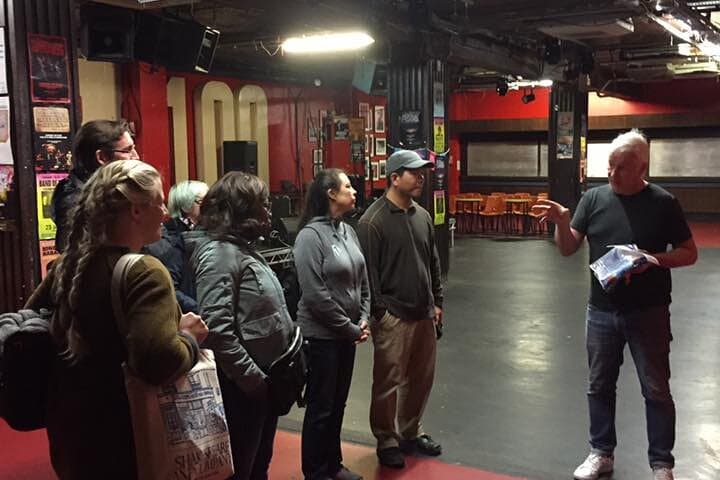

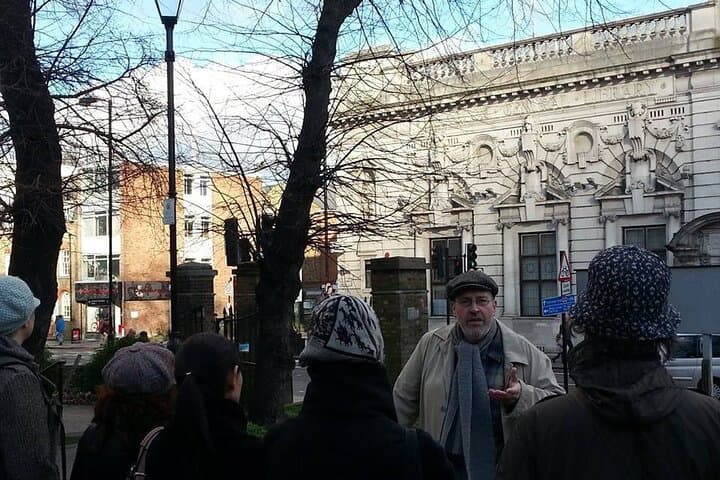
The evening light throws long shadows down Frith Street as you arrive; neon shopfronts flicker and the pavement remembers the city’s restless nights. On a two-hour loop through Soho your guide points out doorways, stairwells and studio facades where David Bowie rehearsed, failed, and remade himself — the streets acting like a chorus line, urging you forward.
The evening light throws long shadows down Frith Street as you arrive; neon shopfronts flicker and the pavement remembers the city’s restless nights. On a two-hour loop through Soho your guide points out doorways, stairwells and studio facades where David Bowie rehearsed, failed, and remade himself — the streets acting like a chorus line, urging you forward.
Soho in the 1960s and 70s was London’s creative crucible: small clubs, pawned instruments on Denmark Street and independent studios like Trident where studio time and experimentation collided. Bowie moved through R&B bands, mime workshops with Lindsay Kemp and early recording sessions—each stop on the walk is a footnote in a larger cultural shift that helped define British rock. The built fabric here is post-medieval streets overlaid with Georgian townhouses and Victorian shopfronts; the urban geology is one of narrow alleys and human-scaled blocks that amplified conversation and chance encounters.
Expect anecdotes rich with local color, archival photos and precise addresses where key bands rehearsed. The tour is private, accessible, and paced for steady walking; it’s as much about place as persona. Practical points: wear comfortable shoes, bring a transit card for a straightforward arrival, and charge your phone—there are plaques, tiny courtyards and narrow lanes worth photographing. If rain moves in the chatter shifts indoors to cafes and record-shop doorways; if sun holds, the small squares offer clear views and a sense of how Soho’s sound spread outward.
This is a city walk that maps music history onto a living neighborhood — concise, contextual and easy to follow for anyone curious about Bowie’s formative years.