THE ADVENTURE COLLECTIVE® · Independent discovery and booking for outdoor travel

Float the Bow River in a big canoe and see Banff from the water: a gentle, guided 90-minute tour that’s ideal for first-time paddlers and families. Learn local geology and history while scanning the shoreline for eagles and otters.
Float the Bow River in a big canoe and see Banff from the water: a gentle, guided 90-minute tour that’s ideal for first-time paddlers and families. Learn local geology and history while scanning the shoreline for eagles and otters.
The canoe settles into the current and the town’s bustle slips away; all you hear is water whispering past the hull and the guide pointing out a ripple where trout feed. Paddles dip in unison as the big canoe carries your group down the Bow River, framed by serrated peaks and lodgepole pines that lean close to the bank.
Verified experiences and guided adventures in the surrounding area.
Operated by The Banff Canoe Club · Banff, Alberta
The canoe settles into the current and the town’s bustle slips away; all you hear is water whispering past the hull and the guide pointing out a ripple where trout feed. Paddles dip in unison as the big canoe carries your group down the Bow River, framed by serrated peaks and lodgepole pines that lean close to the bank.
Geology and history are on display: the Bow River traces a valley cut by Pleistocene glaciers, and Banff — established in 1885 as Canada’s first national park — grew where those meltwaters met Indigenous travel routes. Guides often weave Stoney Nakoda and settler stories into stops along the float, explaining how waterways shaped human use and wildlife corridors here.
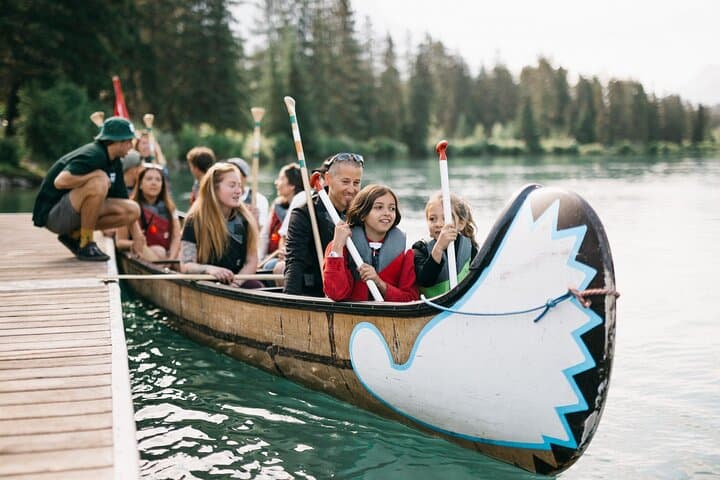
This 90-minute, beginner-friendly trip uses a large group canoe so families and first-time paddlers stay together while learning basic stroke technique and river etiquette. Expect gentle currents, wide river bends, and low exertion paddling; life jackets and paddles are provided. Wildlife sightings are common—look upriver for eagles, and scan the shoreline for river otters or elk.
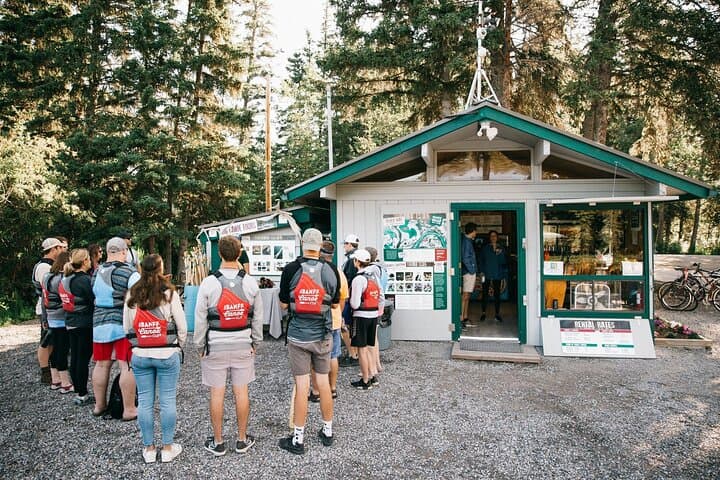
Practical tips: arrive 15–30 minutes early for a safety briefing, wear closed-toe shoes that can get wet, and bring layered sun protection and a refillable water bottle. Morning launches are cooler and quieter; afternoons warm up but increase glare. The company cancels if conditions are unsafe, and trips run most of the warmer season. For a peaceful, interpretive way to experience Banff’s waterways, this big-canoe float balances scenery, low effort, and local context.
easy.
1.5 hours.
Suitable for those with basic mobility; minimal exertion required when guided by an experienced paddler.
No—this tour is designed for first-time paddlers and the guide provides basic instruction and steers the canoe.
Yes—life jackets and paddles are provided and must be worn for the duration of the tour.
Wear quick-dry layers, a hat, sunglasses, and closed-toe shoes that can get wet; bring sunscreen and a refillable water bottle.
Wildlife sightings are common but not guaranteed—eagles, river otters, and elk are species you may spot along the banks.
Banff National Park was created in 1885 around hot springs and early railway development; the Bow River has long been a travel and resource corridor for Indigenous peoples and settlers.
Operators follow park regulations—stay with the guide, avoid disturbing wildlife, and pack out all trash to protect the river corridor.
The Banff Canoe Club operates guided outdoor trips and adventures with an emphasis on safety, stewardship, and memorable experiences.
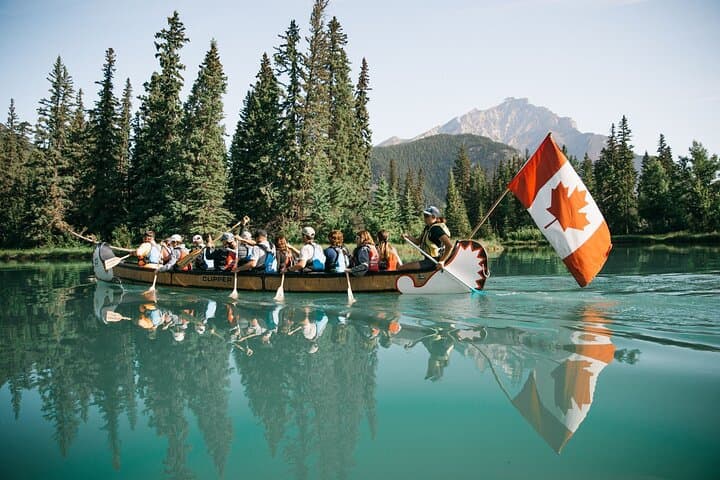
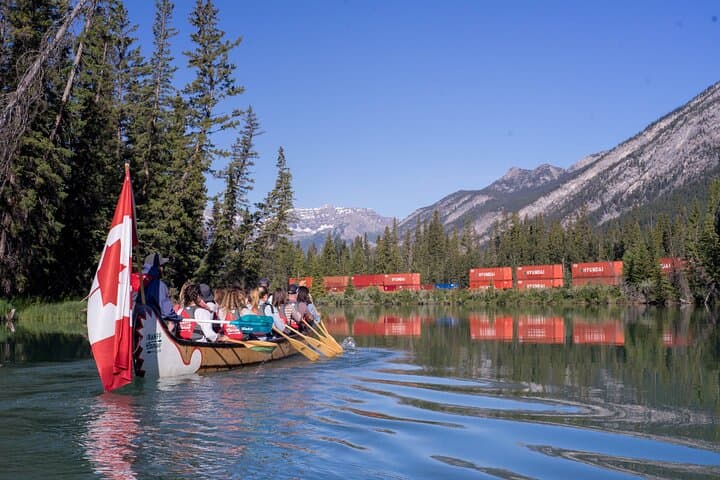
The canoe settles into the current and the town’s bustle slips away; all you hear is water whispering past the hull and the guide pointing out a ripple where trout feed. Paddles dip in unison as the big canoe carries your group down the Bow River, framed by serrated peaks and lodgepole pines that lean close to the bank.
The canoe settles into the current and the town’s bustle slips away; all you hear is water whispering past the hull and the guide pointing out a ripple where trout feed. Paddles dip in unison as the big canoe carries your group down the Bow River, framed by serrated peaks and lodgepole pines that lean close to the bank.
Geology and history are on display: the Bow River traces a valley cut by Pleistocene glaciers, and Banff — established in 1885 as Canada’s first national park — grew where those meltwaters met Indigenous travel routes. Guides often weave Stoney Nakoda and settler stories into stops along the float, explaining how waterways shaped human use and wildlife corridors here.
This 90-minute, beginner-friendly trip uses a large group canoe so families and first-time paddlers stay together while learning basic stroke technique and river etiquette. Expect gentle currents, wide river bends, and low exertion paddling; life jackets and paddles are provided. Wildlife sightings are common—look upriver for eagles, and scan the shoreline for river otters or elk.
Practical tips: arrive 15–30 minutes early for a safety briefing, wear closed-toe shoes that can get wet, and bring layered sun protection and a refillable water bottle. Morning launches are cooler and quieter; afternoons warm up but increase glare. The company cancels if conditions are unsafe, and trips run most of the warmer season. For a peaceful, interpretive way to experience Banff’s waterways, this big-canoe float balances scenery, low effort, and local context.