THE ADVENTURE COLLECTIVE® · Independent discovery and booking for outdoor travel

Walk from glacial shorelines to a thundering falls on this full‑day hike along the Icefields Parkway. Expect exposed viewpoints, alpine flora, and classic glacier‑fed vistas ideal for photography.
Walk from glacial shorelines to a thundering falls on this full‑day hike along the Icefields Parkway. Expect exposed viewpoints, alpine flora, and classic glacier‑fed vistas ideal for photography.
A cold wind from the cirque rakes at your jacket as the trail rises out of lichen‑streaked talus toward an icy blue mirror: Bow Lake. Glacier melt carves the basin, and a low roar ahead—Bow Falls—pulls the group like a magnet. Light slides off bergs; the river dares you to lean closer for a better frame.
Verified experiences and guided adventures in the surrounding area.
Operated by Freeheelin' Adventures · Lake Louise, Alberta
A cold wind from the cirque rakes at your jacket as the trail rises out of lichen‑streaked talus toward an icy blue mirror: Bow Lake. Glacier melt carves the basin, and a low roar ahead—Bow Falls—pulls the group like a magnet. Light slides off bergs; the river dares you to lean closer for a better frame.
This route threads through landscapes shaped by Pleistocene ice: moraines, polish marks on granite, and alpine meadows where wildflowers colonize the land newly free of ice. The Bow River begins here, historically important to the Nakoda (Stoney) and Îyârhe Nakoda peoples and later mapped by mountaineers and railway surveyors. Scattered lodge and ranger histories speak to early tourism on the Icefields Parkway.
Expect varied terrain—well‑trodden trails, rocky benches, and short, steeper sections—over a day that commonly runs about six hours. Wildlife is quiet but present; bighorn sheep pick cliffs, and ravens test thermals. Photographers chase changing light; botanists note alpine specialists in late summer.
Practical guidance: start early for firm footing and clearer views, pack layered clothing for rapid temperature swings, and carry at least 2 liters of water. Bear smart practices are essential—make noise in cover and store food properly. Footwear with solid traction handles wet rocks near the falls. Weather on the Icefields Parkway can shift from sun to sleet in an hour; check forecasts and the park’s alerts before you leave. With steady pacing, moderate fitness, and basic navigation, this trail delivers striking glacial scenery and classic Rockies photo ops in a single, satisfying day.
moderate.
5–7 hours.
Good base fitness for a day of sustained walking with short uphill stretches; able to carry a daypack.
The route is commonly rated moderate: steady walking with some short uphill sections; suitable for most hikers in reasonable condition.
Yes. This trail is inside Banff National Park or adjacent federal lands; purchase a park pass online or at kiosks before starting.
Dogs are typically restricted on high‑use trails and may be prohibited near sensitive wildlife areas—check Parks Canada regulations for current rules.
Late June through September offers the most stable weather and full meltwater; early morning light reduces glare on the lake.
The Bow River headwaters were used and named by Indigenous groups long before railway explorers and early park tourism established trails and lodges in the late 19th–early 20th century.
Stick to established trails to protect fragile alpine flora and avoid wildlife disturbance; follow Parks Canada Leave No Trace and bear safety guidelines.
Freeheelin' Adventures operates guided outdoor trips and adventures with an emphasis on safety, stewardship, and memorable experiences.
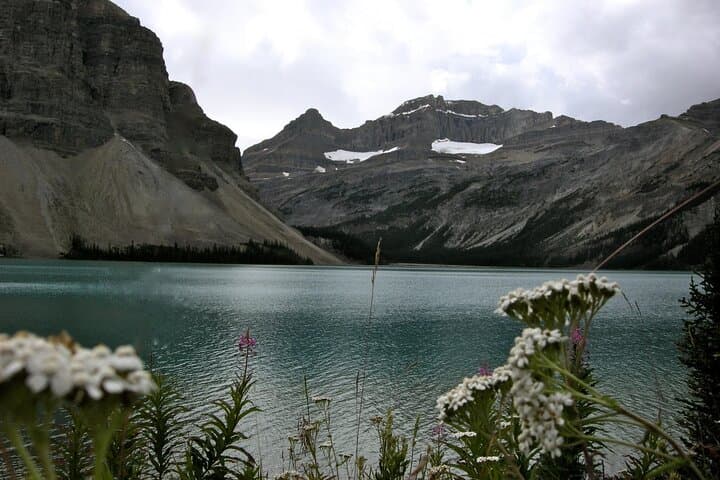

A cold wind from the cirque rakes at your jacket as the trail rises out of lichen‑streaked talus toward an icy blue mirror: Bow Lake. Glacier melt carves the basin, and a low roar ahead—Bow Falls—pulls the group like a magnet. Light slides off bergs; the river dares you to lean closer for a better frame.
A cold wind from the cirque rakes at your jacket as the trail rises out of lichen‑streaked talus toward an icy blue mirror: Bow Lake. Glacier melt carves the basin, and a low roar ahead—Bow Falls—pulls the group like a magnet. Light slides off bergs; the river dares you to lean closer for a better frame.
This route threads through landscapes shaped by Pleistocene ice: moraines, polish marks on granite, and alpine meadows where wildflowers colonize the land newly free of ice. The Bow River begins here, historically important to the Nakoda (Stoney) and Îyârhe Nakoda peoples and later mapped by mountaineers and railway surveyors. Scattered lodge and ranger histories speak to early tourism on the Icefields Parkway.
Expect varied terrain—well‑trodden trails, rocky benches, and short, steeper sections—over a day that commonly runs about six hours. Wildlife is quiet but present; bighorn sheep pick cliffs, and ravens test thermals. Photographers chase changing light; botanists note alpine specialists in late summer.
Practical guidance: start early for firm footing and clearer views, pack layered clothing for rapid temperature swings, and carry at least 2 liters of water. Bear smart practices are essential—make noise in cover and store food properly. Footwear with solid traction handles wet rocks near the falls. Weather on the Icefields Parkway can shift from sun to sleet in an hour; check forecasts and the park’s alerts before you leave. With steady pacing, moderate fitness, and basic navigation, this trail delivers striking glacial scenery and classic Rockies photo ops in a single, satisfying day.