THE ADVENTURE COLLECTIVE® · Independent discovery and booking for outdoor travel

Drift gently through the Whitecliffs Boulders on the Rangitikei, lunching riverside among towering, time-smoothed blocks. This accessible half-day float blends geology, birdlife, and a slow river run ideal for first-time paddlers.
Drift gently through the Whitecliffs Boulders on the Rangitikei, lunching riverside among towering, time-smoothed blocks. This accessible half-day float blends geology, birdlife, and a slow river run ideal for first-time paddlers.
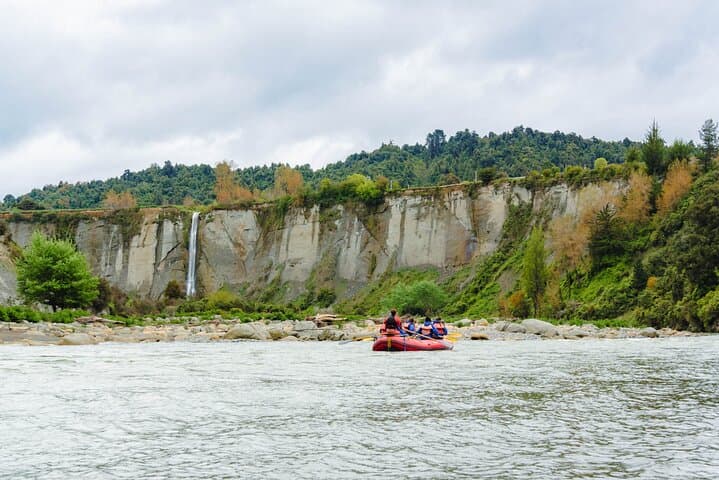
The river is a slow conversation here: glassy at first, then murmuring around giant, time-polished boulders that rise like islands from the Rangitikei. You push off near a small café on the riverbank and the current takes over, guiding a half-day drift that feels equal parts exploration and repose.
Verified experiences and guided adventures in the surrounding area.
Operated by Awastone · Mangaweka, Manawatu-Wanganui
The river is a slow conversation here: glassy at first, then murmuring around giant, time-polished boulders that rise like islands from the Rangitikei. You push off near a small café on the riverbank and the current takes over, guiding a half-day drift that feels equal parts exploration and repose.
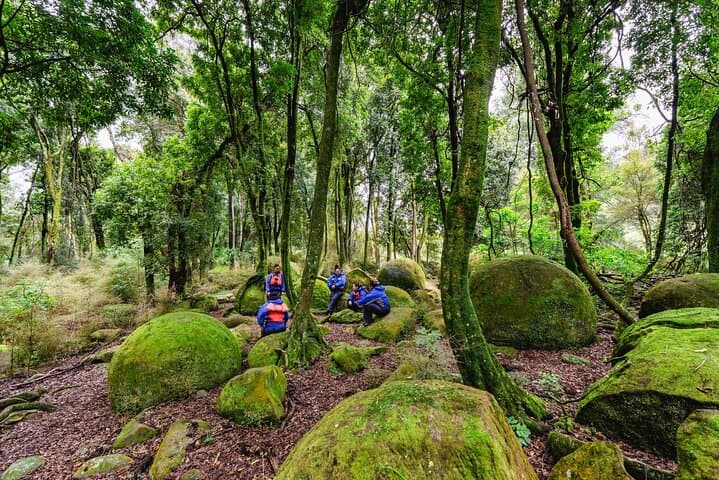
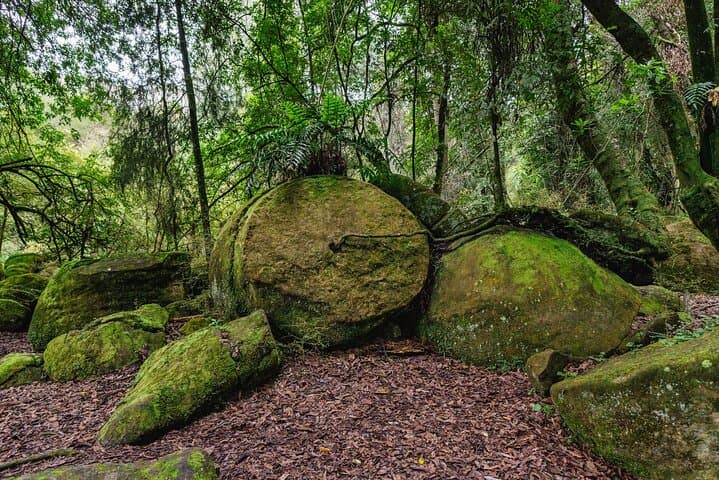
Geologically, the Whitecliffs Boulders are river-smoothed blocks of greywacke and conglomerate, abandoned by ancient slips and sculpted over millennia. The cliffs and cutbanks along this stretch tell a story of uplift and erosion; Māori used the Rangitikei valley as a travel and food-gathering corridor for generations, and European settlers later farmed the terraces above the river.
Culturally the river still supplies local cafés and guides; lunch among the boulders is a social, almost ceremonial pause. Wildlife watches from the fringes—kingfishers dart, and wrybills probe shallows—while the current nudges your raft onward.
Practical guide: expect 4–5 hours total including transfers. The float is gentle—no whitewater—but river conditions change with rainfall, so operators cancel in heavy flows. Wear quick-drying layers and sturdy sandals or river shoes; bring sun protection and a small dry bag for phones and cameras. Hydrate before you board and keep a light posture in the raft when moving between boulder clusters. Photography is easiest from mid-river when the light catches the rock faces; lunch is served riverside on a stable shoreline.
This trip is ideal for anyone seeking an accessible river experience that combines simple paddling, geology you can touch, and a memorable outdoor lunch without demanding technical skills.
easy.
4–5 hours.
Suitable for most fitness levels; requires basic mobility to get in/out of the raft and walk short, uneven sections at the boulder site.
The on-river portion lasts a couple of hours within a 4–5 hour tour that includes transfers, lunch, and time at the boulder garden.
Yes—trips are marketed as easy and suitable for all fitness levels; lifejackets are provided and guides supervise, but children and non-swimmers should remain seated and follow guide instructions.
Operators will cancel or reschedule if conditions are unsafe; full refunds are typically offered if cancellation happens at least 24 hours before departure per the tour policy.
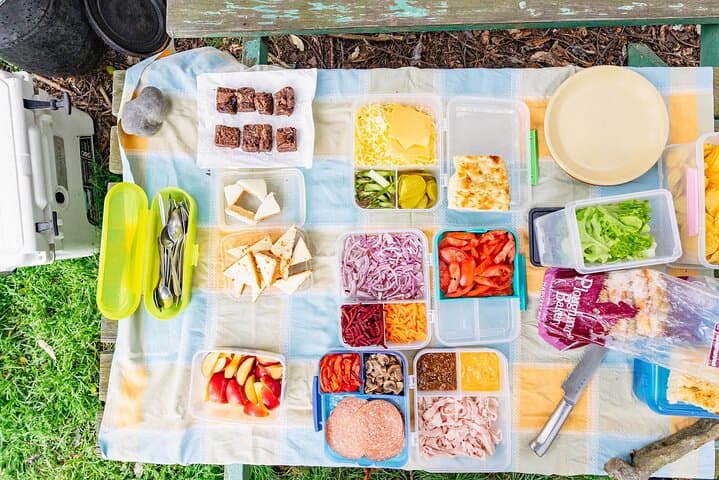
Yes—riverside lunch and drinks are included, plus a snack and tea/coffee back at the café after the float.
The Rangitikei valley has long been a movement corridor for Māori and later European settlers; the river’s terraces and boulder fields record episodes of uplift and erosion over thousands of years.
This stretch is sensitive to bank erosion and invasive plants; travelers are encouraged to stick to shore paths, carry out litter, and follow guide instructions to minimize impact.
Awastone operates guided outdoor trips and adventures with an emphasis on safety, stewardship, and memorable experiences.
The river is a slow conversation here: glassy at first, then murmuring around giant, time-polished boulders that rise like islands from the Rangitikei. You push off near a small café on the riverbank and the current takes over, guiding a half-day drift that feels equal parts exploration and repose.
The river is a slow conversation here: glassy at first, then murmuring around giant, time-polished boulders that rise like islands from the Rangitikei. You push off near a small café on the riverbank and the current takes over, guiding a half-day drift that feels equal parts exploration and repose.
Geologically, the Whitecliffs Boulders are river-smoothed blocks of greywacke and conglomerate, abandoned by ancient slips and sculpted over millennia. The cliffs and cutbanks along this stretch tell a story of uplift and erosion; Māori used the Rangitikei valley as a travel and food-gathering corridor for generations, and European settlers later farmed the terraces above the river.
Culturally the river still supplies local cafés and guides; lunch among the boulders is a social, almost ceremonial pause. Wildlife watches from the fringes—kingfishers dart, and wrybills probe shallows—while the current nudges your raft onward.
Practical guide: expect 4–5 hours total including transfers. The float is gentle—no whitewater—but river conditions change with rainfall, so operators cancel in heavy flows. Wear quick-drying layers and sturdy sandals or river shoes; bring sun protection and a small dry bag for phones and cameras. Hydrate before you board and keep a light posture in the raft when moving between boulder clusters. Photography is easiest from mid-river when the light catches the rock faces; lunch is served riverside on a stable shoreline.
This trip is ideal for anyone seeking an accessible river experience that combines simple paddling, geology you can touch, and a memorable outdoor lunch without demanding technical skills.