THE ADVENTURE COLLECTIVE® · Independent discovery and booking for outdoor travel

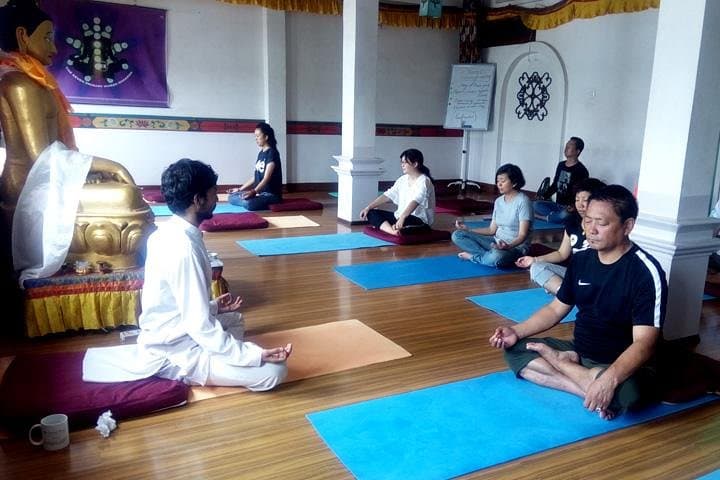
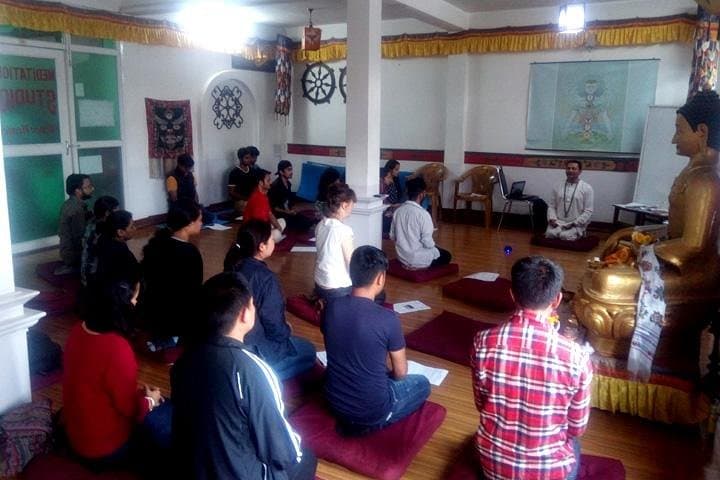
Practice yoga on the plaza of Boudhanath Stupa with views of prayer flags and circumambulating pilgrims. This half-day program blends Hatha techniques with Tibetan contemplative forms, suitable for beginners and experienced yogis seeking a culturally rooted practice.
Practice yoga on the plaza of Boudhanath Stupa with views of prayer flags and circumambulating pilgrims. This half-day program blends Hatha techniques with Tibetan contemplative forms, suitable for beginners and experienced yogis seeking a culturally rooted practice.
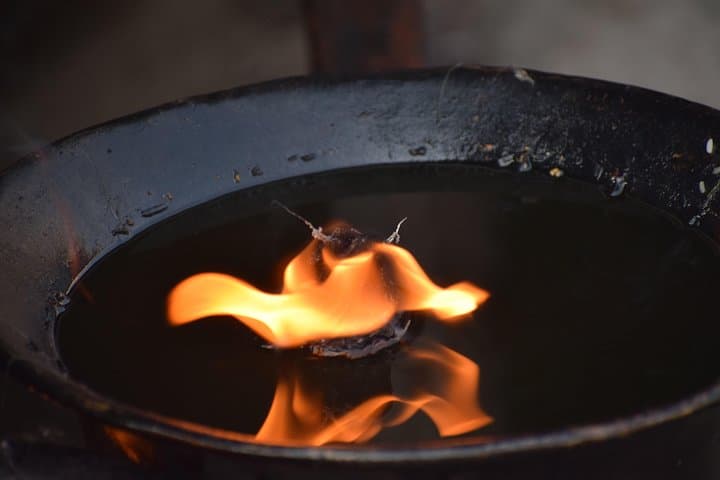
Morning light spills across the broad white dome of Boudhanath Stupa as a small group rolls mats on the plaza, the prayer wheels clicking like a slow metronome. The scent of incense and yak butter lamps rounds the air; eyes meet the painted eyes of the stupa before the first inhale. In this public square, yoga becomes a public conversation between breath and stone.
Verified experiences and guided adventures in the surrounding area.
Operated by Himalayan Advisor Pvt. Ltd. · Kathmandu, Bagmati Province
Morning light spills across the broad white dome of Boudhanath Stupa as a small group rolls mats on the plaza, the prayer wheels clicking like a slow metronome. The scent of incense and yak butter lamps rounds the air; eyes meet the painted eyes of the stupa before the first inhale. In this public square, yoga becomes a public conversation between breath and stone.
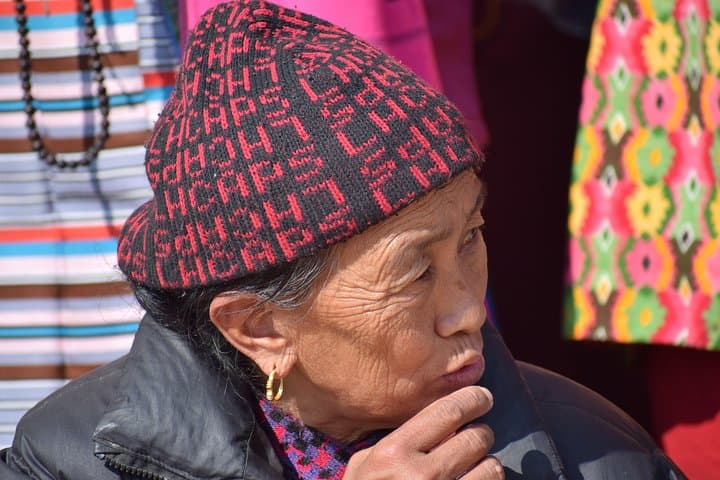
Boudhanath is one of Asia’s largest stupas and the focal point for Kathmandu’s Tibetan community since the mid-20th century, when refugees settled here after fleeing Tibet. The stupa’s mandala plan and the ever-present circumambulators reflect Buddhist cosmology; surrounding gompas (monasteries) and prayer flags mark living cultural practice. Geologically, Kathmandu sits in a deep valley hemmed by the Lesser Himalaya—air thins subtly on higher rooftop views—while the stupa itself is constructed of brick, plaster, and a gilded harmika that catches the sun.
Classes taught beside the stupa emphasize asana, pranayama, mudra, and dhyana, blending Hatha and Tibetan contemplative practices. Expect a largely gentle, accessible practice suited to all levels, with pauses to observe kora (circumambulation) and local ritual. Wear loose, respectful clothing; bring a mat and a light layer for early mornings. Plan for 2–4 hours including transport, and schedule around the stupa’s busiest prayer times (early morning and dusk) to avoid crowds. Hydrate, remove shoes on the plaza, and keep conversations low to honor worshippers.
Photography is welcome but ask permission before photographing monks or private rituals; donations for the stupa's upkeep are appreciated and respectful.
easy.
2–4 hours.
Suitable for most fitness levels; requires ability to sit, move on the ground, and perform gentle standing and seated postures.
No; the class is designed to be accessible and offers modifications for beginners while still benefiting experienced practitioners.
This program is not recommended for pregnant travelers; consult your healthcare provider and the operator for alternatives.
Boudhanath is a 30–45 minute drive from central Kathmandu depending on traffic; many operators include hotel pickup and drop-off.
Photography of the stupa and public spaces is allowed, but always ask permission before photographing monks or private rituals and avoid flash during ceremonies.
Boudhanath is a UNESCO World Heritage Site and a major center for Tibetan Buddhism in Nepal; the area grew substantially after Tibetan refugees arrived in the 1950s and 1960s.
The stupa sees heavy foot traffic; visitors are encouraged to avoid litter, respect ritual spaces, and contribute to local preservation funds or donations when possible.
Himalayan Advisor Pvt. Ltd. operates guided outdoor trips and adventures with an emphasis on safety, stewardship, and memorable experiences.
Morning light spills across the broad white dome of Boudhanath Stupa as a small group rolls mats on the plaza, the prayer wheels clicking like a slow metronome. The scent of incense and yak butter lamps rounds the air; eyes meet the painted eyes of the stupa before the first inhale. In this public square, yoga becomes a public conversation between breath and stone.
Morning light spills across the broad white dome of Boudhanath Stupa as a small group rolls mats on the plaza, the prayer wheels clicking like a slow metronome. The scent of incense and yak butter lamps rounds the air; eyes meet the painted eyes of the stupa before the first inhale. In this public square, yoga becomes a public conversation between breath and stone.
Boudhanath is one of Asia’s largest stupas and the focal point for Kathmandu’s Tibetan community since the mid-20th century, when refugees settled here after fleeing Tibet. The stupa’s mandala plan and the ever-present circumambulators reflect Buddhist cosmology; surrounding gompas (monasteries) and prayer flags mark living cultural practice. Geologically, Kathmandu sits in a deep valley hemmed by the Lesser Himalaya—air thins subtly on higher rooftop views—while the stupa itself is constructed of brick, plaster, and a gilded harmika that catches the sun.
Classes taught beside the stupa emphasize asana, pranayama, mudra, and dhyana, blending Hatha and Tibetan contemplative practices. Expect a largely gentle, accessible practice suited to all levels, with pauses to observe kora (circumambulation) and local ritual. Wear loose, respectful clothing; bring a mat and a light layer for early mornings. Plan for 2–4 hours including transport, and schedule around the stupa’s busiest prayer times (early morning and dusk) to avoid crowds. Hydrate, remove shoes on the plaza, and keep conversations low to honor worshippers.
Photography is welcome but ask permission before photographing monks or private rituals; donations for the stupa's upkeep are appreciated and respectful.