THE ADVENTURE COLLECTIVE® · Independent discovery and booking for outdoor travel

Hike from the storied Boudhanath stupa up into the peaceful ridgeline where Kopan Monastery sits. This full‑day cultural trek blends steady climbs with monastery visits, thangka art, and sweeping valley views.
Hike from the storied Boudhanath stupa up into the peaceful ridgeline where Kopan Monastery sits. This full‑day cultural trek blends steady climbs with monastery visits, thangka art, and sweeping valley views.
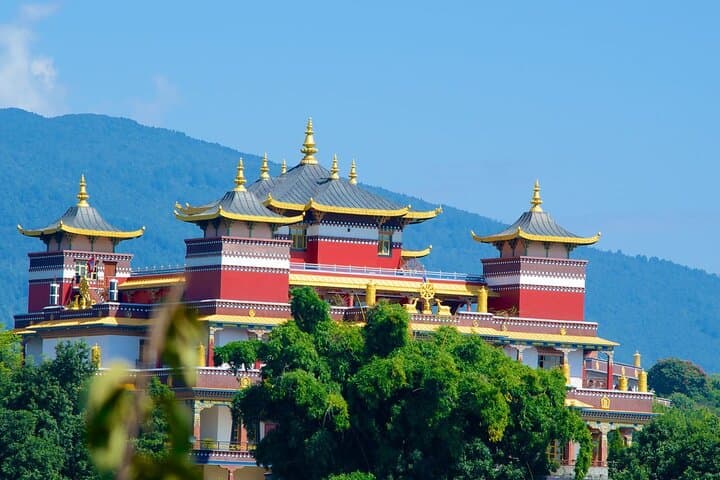
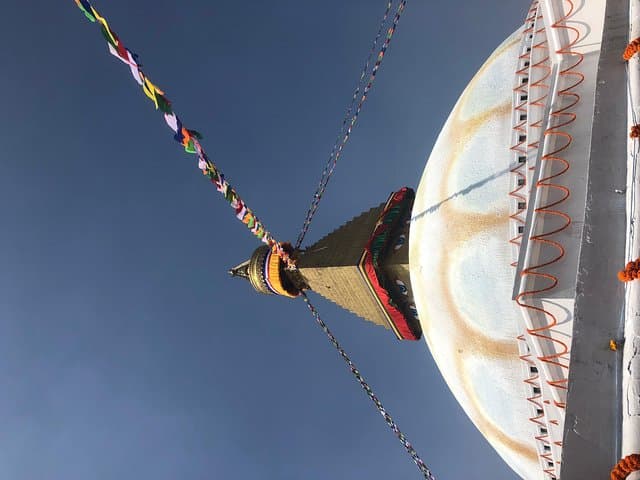
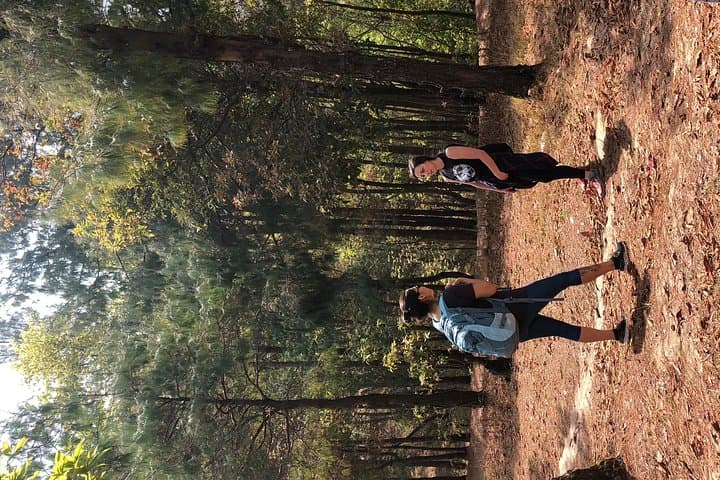
Morning light hits the white dome of Boudhanath and the prayer flags above the stupa spin with a slow, deliberate energy. From the crowded circumambulatory path the hike slips upward, trading urban alleys for terraced fields, choked gullies and, eventually, the pine- and rhododendron-scented slopes that hold Kopan Monastery. The trail alternates between paved steps, dirt tracks and short, steep scrambles that reward steady breathing with wide views back over Kathmandu Valley.
Verified experiences and guided adventures in the surrounding area.
Operated by Himalayan Recreation Treks & Expedition Pvt.Ltd · Kathmandu, Bagmati Province
Morning light hits the white dome of Boudhanath and the prayer flags above the stupa spin with a slow, deliberate energy. From the crowded circumambulatory path the hike slips upward, trading urban alleys for terraced fields, choked gullies and, eventually, the pine- and rhododendron-scented slopes that hold Kopan Monastery. The trail alternates between paved steps, dirt tracks and short, steep scrambles that reward steady breathing with wide views back over Kathmandu Valley.
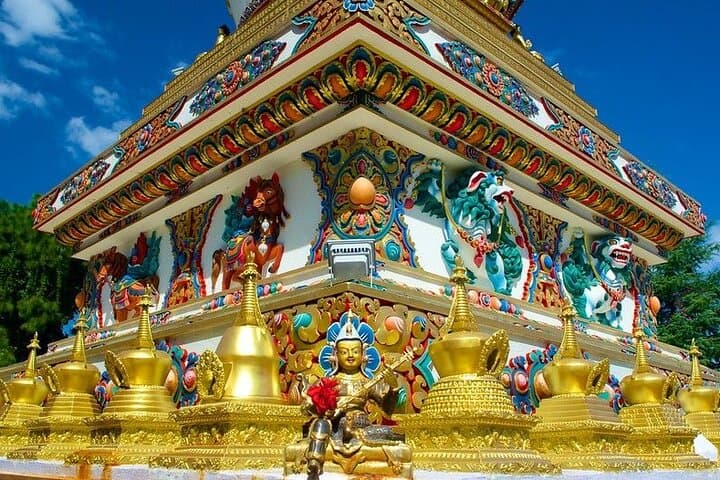
Boudhanath is one of Nepal’s largest stupas and a longtime hub for Tibetan Buddhist life; Kopan, perched on a ridgeline, has been a teaching monastery since the 1970s. Geologically the route follows the valley shoulder—young folded hills of the Lesser Himalaya—so expect frequent stone steps and loose gravel where erosion has exposed bedrock. Culturally the day is as much about observation as exertion: monks at prayer, thangka painting in small ateliers, and the soft clack of mani wheels.
Practically, the hike is a full-day, moderate outing: plan on 7–8 hours, roughly 10–14 km total with 350–600 m of cumulative ascent depending on routing. Wear grippy footwear for wet or dusty steps, carry at least 1.5–2 L water, and bring sun protection and small cash for tea, monastery donations, or museum entry. Start early to avoid mid-day heat and to catch the quiet of morning prayers. Respect monastery etiquette—no loud talk in prayer halls, remove hats, and ask before photography. The day pairs cultural immersion with a steady hill climb, giving travelers both panoramic perspective and close-up access to local monastic life.
moderate.
7–8 hours.
Moderately fit: able to sustain several hours of walking with intermittent steep sections and stairs
Expect 7–8 hours and a moderate level of exertion with several hundred meters of ascent over uneven terrain and many steps.
Yes—the tour typically includes private pickup and drop-off in Kathmandu; confirm your pickup point when booking.
Admission/entry donations to temples or monastery museums are usually not included—carry small cash for donations or optional entry.
The route is labeled accessible for most fitness levels but involves stairs and some steep sections; gauge by mobility and stamina and consider local transport options for portions if needed.
Boudhanath has been a Tibetan Buddhist pilgrimage center for centuries; Kopan expanded in the 20th century as an international teaching monastery.
Stick to marked paths and avoid plastic waste—local groups encourage low-impact visits to protect hillside vegetation and monastic spaces.
Himalayan Recreation Treks & Expedition Pvt.Ltd operates guided outdoor trips and adventures with an emphasis on safety, stewardship, and memorable experiences.
Morning light hits the white dome of Boudhanath and the prayer flags above the stupa spin with a slow, deliberate energy. From the crowded circumambulatory path the hike slips upward, trading urban alleys for terraced fields, choked gullies and, eventually, the pine- and rhododendron-scented slopes that hold Kopan Monastery. The trail alternates between paved steps, dirt tracks and short, steep scrambles that reward steady breathing with wide views back over Kathmandu Valley.
Morning light hits the white dome of Boudhanath and the prayer flags above the stupa spin with a slow, deliberate energy. From the crowded circumambulatory path the hike slips upward, trading urban alleys for terraced fields, choked gullies and, eventually, the pine- and rhododendron-scented slopes that hold Kopan Monastery. The trail alternates between paved steps, dirt tracks and short, steep scrambles that reward steady breathing with wide views back over Kathmandu Valley.
Boudhanath is one of Nepal’s largest stupas and a longtime hub for Tibetan Buddhist life; Kopan, perched on a ridgeline, has been a teaching monastery since the 1970s. Geologically the route follows the valley shoulder—young folded hills of the Lesser Himalaya—so expect frequent stone steps and loose gravel where erosion has exposed bedrock. Culturally the day is as much about observation as exertion: monks at prayer, thangka painting in small ateliers, and the soft clack of mani wheels.
Practically, the hike is a full-day, moderate outing: plan on 7–8 hours, roughly 10–14 km total with 350–600 m of cumulative ascent depending on routing. Wear grippy footwear for wet or dusty steps, carry at least 1.5–2 L water, and bring sun protection and small cash for tea, monastery donations, or museum entry. Start early to avoid mid-day heat and to catch the quiet of morning prayers. Respect monastery etiquette—no loud talk in prayer halls, remove hats, and ask before photography. The day pairs cultural immersion with a steady hill climb, giving travelers both panoramic perspective and close-up access to local monastic life.