THE ADVENTURE COLLECTIVE® · Independent discovery and booking for outdoor travel

Spend an hour bottle-feeding orphan lambs on a working Lancashire farm beneath Pendle Hill. Small groups, hands-on guidance and homemade tea make this a close-up, family-friendly farm visit.
Spend an hour bottle-feeding orphan lambs on a working Lancashire farm beneath Pendle Hill. Small groups, hands-on guidance and homemade tea make this a close-up, family-friendly farm visit.
The barn door opens to a warm, straw-sweet air and the soft, urgent bleats of orphan lambs. For an hour you stand in a quiet corner of a real working farm beneath Pendle Hill, mixing powdered milk, choosing a woolly calf-sized lamb and holding the bottle while the animal tugs eagerly at the teat. Flat caps and shepherds crooks are available for photos; straw bales make informal seating and the host keeps conversation practical — about feed, shelter and animal welfare.
Verified experiences and guided adventures in the surrounding area.
Operated by Croft House Farm Experiences · Colne, Lancashire
The barn door opens to a warm, straw-sweet air and the soft, urgent bleats of orphan lambs. For an hour you stand in a quiet corner of a real working farm beneath Pendle Hill, mixing powdered milk, choosing a woolly calf-sized lamb and holding the bottle while the animal tugs eagerly at the teat. Flat caps and shepherds crooks are available for photos; straw bales make informal seating and the host keeps conversation practical — about feed, shelter and animal welfare.
This corner of Lancashire is upland grazing country: rolling pastures and stone walls shaped by centuries of sheep farming. Pendle Hill’s gritstone spine and the wider Forest of Bowland’s limestone outcrops tell a geological story of glacial sculpting and ancient seas; culturally, the area still centers on smallholdings and family farms, and the landscape carries local history from traditional shepherding to the well-known 17th-century Pendle witch trials in nearby villages.
Expect a hands-on, small-group session limited to four participants, where you’ll prepare powdered lamb milk, feed and handle the lamb under supervision, then wash up in provided facilities. The host supplies tea, coffee and cake; access is via a farm lane unsuitable for low-clearance cars and public-transport options exist nearby. Note important health guidance: people allergic to hay, straw, animals or milk and pregnant visitors are advised not to participate due to zoonotic risks. Wear layers and shoes you don’t mind getting straw on; bring a phone for photos and follow handwashing instructions after handling the animals.
The experience is gentle but rooted in real farming practices — intimate, educational and oriented around animal welfare rather than spectacle.
easy.
1 hour.
Suitable for all fitness levels; participants should be able to stand and hold a bottle for short periods.
Yes — children may feed lambs but must be supervised by a responsible adult; one non-participating adult per child is required.
No — the farm advises that people with hay, straw, animal or milk allergies and pregnant visitors should not participate due to health risks.
The farm states areas and surfaces are wheelchair accessible; contact the host about specific needs and parking on arrival.
Sessions run in the barn, so light rain does not usually cancel; check the cancellation policy and contact the host if weather is severe.
This part of Lancashire has a long upland sheep-farming tradition; nearby Pendle Hill is also associated with the 17th-century Pendle witch trials that shaped local folklore.
The host emphasizes animal welfare and low group sizes to reduce stress on animals; visitors should follow hygiene rules and avoid unsupervised feeding to protect lamb health.
Croft House Farm Experiences operates guided outdoor trips and adventures with an emphasis on safety, stewardship, and memorable experiences.
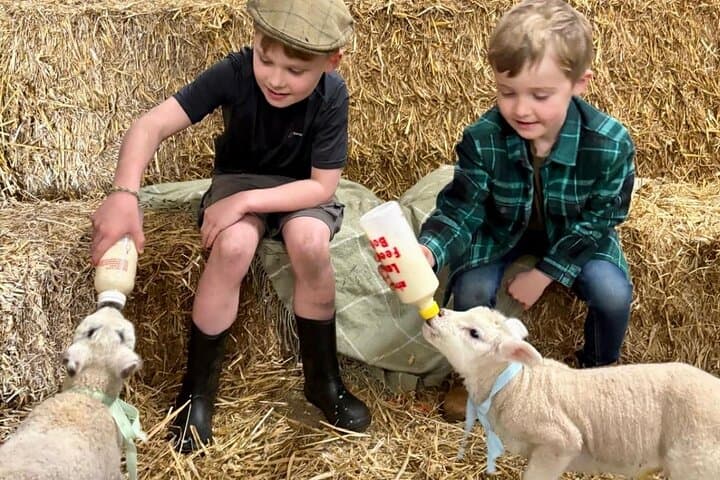
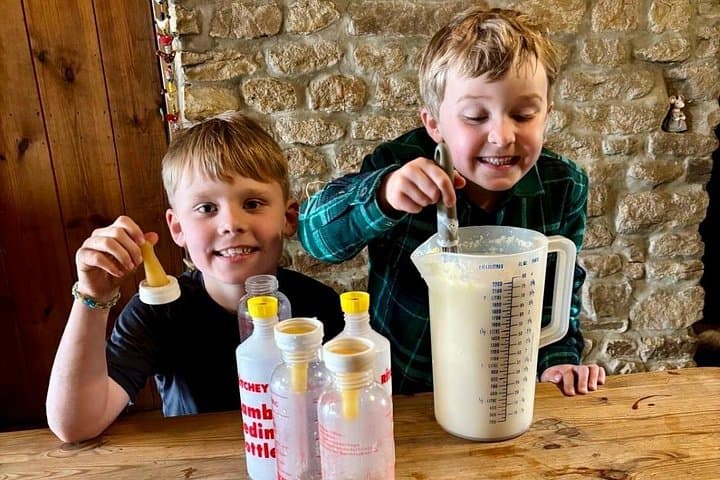
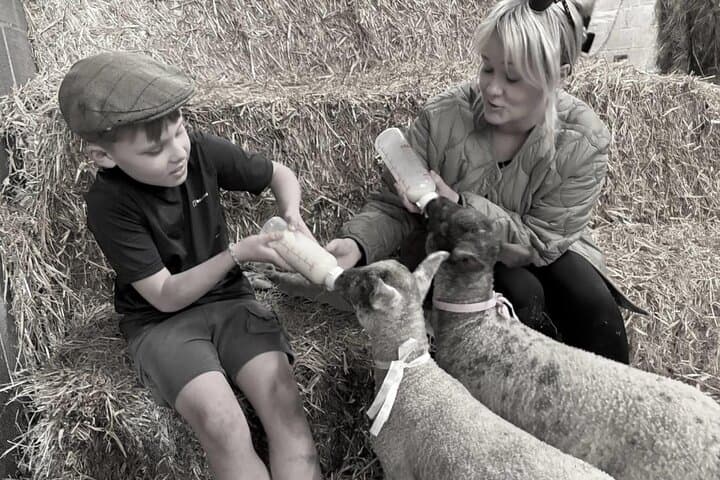
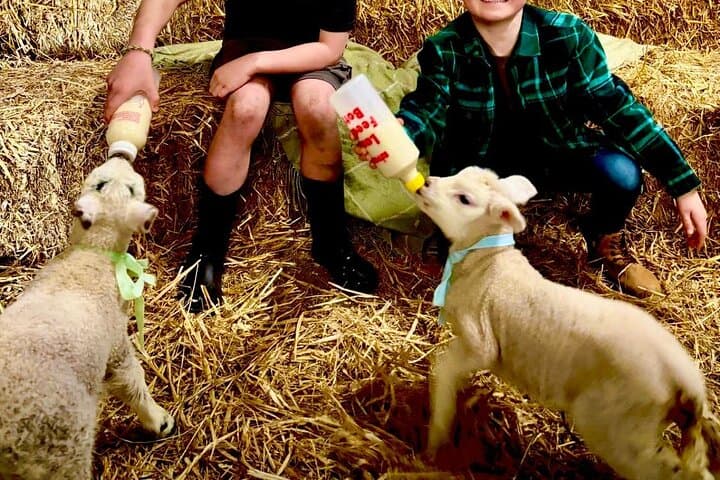
The barn door opens to a warm, straw-sweet air and the soft, urgent bleats of orphan lambs. For an hour you stand in a quiet corner of a real working farm beneath Pendle Hill, mixing powdered milk, choosing a woolly calf-sized lamb and holding the bottle while the animal tugs eagerly at the teat. Flat caps and shepherds crooks are available for photos; straw bales make informal seating and the host keeps conversation practical — about feed, shelter and animal welfare.
The barn door opens to a warm, straw-sweet air and the soft, urgent bleats of orphan lambs. For an hour you stand in a quiet corner of a real working farm beneath Pendle Hill, mixing powdered milk, choosing a woolly calf-sized lamb and holding the bottle while the animal tugs eagerly at the teat. Flat caps and shepherds crooks are available for photos; straw bales make informal seating and the host keeps conversation practical — about feed, shelter and animal welfare.
This corner of Lancashire is upland grazing country: rolling pastures and stone walls shaped by centuries of sheep farming. Pendle Hill’s gritstone spine and the wider Forest of Bowland’s limestone outcrops tell a geological story of glacial sculpting and ancient seas; culturally, the area still centers on smallholdings and family farms, and the landscape carries local history from traditional shepherding to the well-known 17th-century Pendle witch trials in nearby villages.
Expect a hands-on, small-group session limited to four participants, where you’ll prepare powdered lamb milk, feed and handle the lamb under supervision, then wash up in provided facilities. The host supplies tea, coffee and cake; access is via a farm lane unsuitable for low-clearance cars and public-transport options exist nearby. Note important health guidance: people allergic to hay, straw, animals or milk and pregnant visitors are advised not to participate due to zoonotic risks. Wear layers and shoes you don’t mind getting straw on; bring a phone for photos and follow handwashing instructions after handling the animals.
The experience is gentle but rooted in real farming practices — intimate, educational and oriented around animal welfare rather than spectacle.