THE ADVENTURE COLLECTIVE® · Independent discovery and booking for outdoor travel

A nine-day mobile camping safari linking the Okavango Delta, Moremi and Chobe. Expect daily game drives, river crossings, dome tents and close encounters with elephants, lions and wetland birdlife.
A nine-day mobile camping safari linking the Okavango Delta, Moremi and Chobe. Expect daily game drives, river crossings, dome tents and close encounters with elephants, lions and wetland birdlife.
Dawn edges the panther-dark sky as a mobile camp stirs on the Okavango floodplain: foxfire from a small stove, the guide checking vehicle lights, and beyond the trees a distant trunked silhouette moving toward water. Over nine days this itinerary threads through Moremi’s watery channels, the Khwai floodplains and the dry Savute line into Chobe, offering repeated wake-up calls from the bush and long, low light game drives.
Verified experiences and guided adventures in the surrounding area.
Operated by Afrinature Safaris · Maun, North-West District
Dawn edges the panther-dark sky as a mobile camp stirs on the Okavango floodplain: foxfire from a small stove, the guide checking vehicle lights, and beyond the trees a distant trunked silhouette moving toward water. Over nine days this itinerary threads through Moremi’s watery channels, the Khwai floodplains and the dry Savute line into Chobe, offering repeated wake-up calls from the bush and long, low light game drives.
Geologically the Okavango is an inland delta borne of Angolan rains that arrive months after they fall, so timing here matters. Moremi Game Reserve, created in the 1960s from tribal lands, pioneered community-linked conservation in Botswana; Khwai’s local communities still influence access and guide knowledge. Cultural notes surface around campfires—stories of seasonal fish runs, elephant corridors and the practical rhythms of safari life.
Practically: expect dome tents, basic showers at camps, and daily game drives timed for early morning and late afternoon. Water levels dictate which tracks are passable and when mokoro or boat options replace road travel. Guides emphasize quiet observation, maintaining distance from predators and leaving no trace at campsites. Bring layered clothing for cold early starts, a reliable headlamp, binoculars and malaria prevention if advised by your clinic. Hydrate during drives and follow guide briefings on wildlife etiquette—lions and elephants will set the tempo. This trip rewards patience: long waits at waterholes often deliver the best sightings and the clearest sense of why Botswana’s floodplains remain one of southern Africa’s most alive places.
moderate.
9 days.
Guests should have moderate fitness—able to handle multiple short walks, step up into safari vehicles and cope with uneven ground and early mornings.
Visa requirements depend on your nationality—check Botswana's government site or your embassy well before travel and ensure passports have at least six months validity.
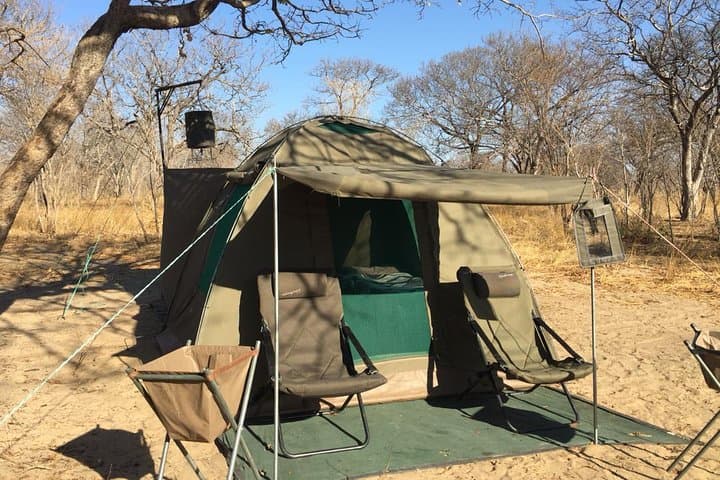
Camps use dome tents with camp beds and basic showers; expect mobile camping standards rather than lodge luxury, with meals prepared by camp staff.
Parts of the Okavango and Chobe are malaria zones; consult a travel health clinic for current advice on prophylaxis and bite prevention.
Guides and operators typically accommodate dietary restrictions if notified in advance—list special needs during booking and at check-in.
Moremi Game Reserve was established in 1963 and is notable as one of the first reserves created from tribal land to protect floodplain ecosystems.
Low-impact camping and community-based concessions are central here—stick to guide instructions, minimize waste and avoid disturbing wildlife to support ongoing conservation.
Afrinature Safaris operates guided outdoor trips and adventures with an emphasis on safety, stewardship, and memorable experiences.
Dawn edges the panther-dark sky as a mobile camp stirs on the Okavango floodplain: foxfire from a small stove, the guide checking vehicle lights, and beyond the trees a distant trunked silhouette moving toward water. Over nine days this itinerary threads through Moremi’s watery channels, the Khwai floodplains and the dry Savute line into Chobe, offering repeated wake-up calls from the bush and long, low light game drives.
Dawn edges the panther-dark sky as a mobile camp stirs on the Okavango floodplain: foxfire from a small stove, the guide checking vehicle lights, and beyond the trees a distant trunked silhouette moving toward water. Over nine days this itinerary threads through Moremi’s watery channels, the Khwai floodplains and the dry Savute line into Chobe, offering repeated wake-up calls from the bush and long, low light game drives.
Geologically the Okavango is an inland delta borne of Angolan rains that arrive months after they fall, so timing here matters. Moremi Game Reserve, created in the 1960s from tribal lands, pioneered community-linked conservation in Botswana; Khwai’s local communities still influence access and guide knowledge. Cultural notes surface around campfires—stories of seasonal fish runs, elephant corridors and the practical rhythms of safari life.
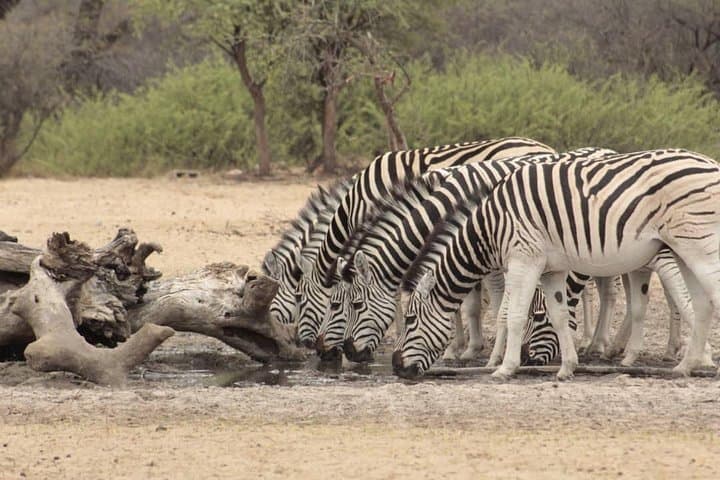
Practically: expect dome tents, basic showers at camps, and daily game drives timed for early morning and late afternoon. Water levels dictate which tracks are passable and when mokoro or boat options replace road travel. Guides emphasize quiet observation, maintaining distance from predators and leaving no trace at campsites. Bring layered clothing for cold early starts, a reliable headlamp, binoculars and malaria prevention if advised by your clinic. Hydrate during drives and follow guide briefings on wildlife etiquette—lions and elephants will set the tempo. This trip rewards patience: long waits at waterholes often deliver the best sightings and the clearest sense of why Botswana’s floodplains remain one of southern Africa’s most alive places.