THE ADVENTURE COLLECTIVE® · Independent discovery and booking for outdoor travel

Walk Boston’s central streets with a knowledgeable guide and a lantern, visiting sites tied to serial killers, the Marathon Bombing and historic court cases. This two-hour, adults-only tour blends careful research with immersive storytelling across accessible downtown routes.
Walk Boston’s central streets with a knowledgeable guide and a lantern, visiting sites tied to serial killers, the Marathon Bombing and historic court cases. This two-hour, adults-only tour blends careful research with immersive storytelling across accessible downtown routes.
The lantern bobbing in the low light feels like a prop from a ghost story, but the stories your guide tells are rooted in court dockets, newspaper pages and the city’s cracked sidewalks. You meet at the George Washington statue in Boston Public Garden and the tour slips through formal lawns, past granite façades and into narrow alleys where the city’s quieter histories gather like dust.
Verified experiences and guided adventures in the surrounding area.
Operated by Boston Ghosts By Us Ghost Adventures · Boston, Massachusetts
The lantern bobbing in the low light feels like a prop from a ghost story, but the stories your guide tells are rooted in court dockets, newspaper pages and the city’s cracked sidewalks. You meet at the George Washington statue in Boston Public Garden and the tour slips through formal lawns, past granite façades and into narrow alleys where the city’s quieter histories gather like dust.
This is not gore for spectacle. It’s a paced, adults-only walk through places where decisions and disasters altered lives—and Boston itself. Stops include the Ether Monument that marks early forensic dramas, the courthouse steps where a child defendant made legal history, the spot tied to the Boston Marathon Bombing and sites connected to serial offenders who haunted the region in the 20th century. The route leads you past bandstands and cemeteries that reveal the city’s uneasy intersection of wealth, science and rumor.
Boston’s geography amplifies these stories. The Charles River, always watching, divides civic triumphs from the more desperate neighborhoods where crimes unfolded. Granite and brick keep secrets in their mortar lines; the city’s colonial-era grid forces narratives to press against one another until the dark details are impossible to ignore.
Culturally, the tour slips between reverence and inquiry. Guides lean on public records and local reporting to separate myth from fact—because Boston is a place that prizes both storytelling and accuracy. Along the way you encounter the economic and social threads that feed crime: immigration patterns, urban density, and the uneven reach of justice.
Practically, the two-hour route covers roughly 1.5–2 miles of mostly flat, wheelchair-accessible sidewalks; expect frequent stops for 8–12 minute talks. Wear shoes that handle cobblestone edges and bring a light jacket—the harbor wind can cut through a blazer. Cameras are welcome but be respectful: these are recent tragedies for many families.
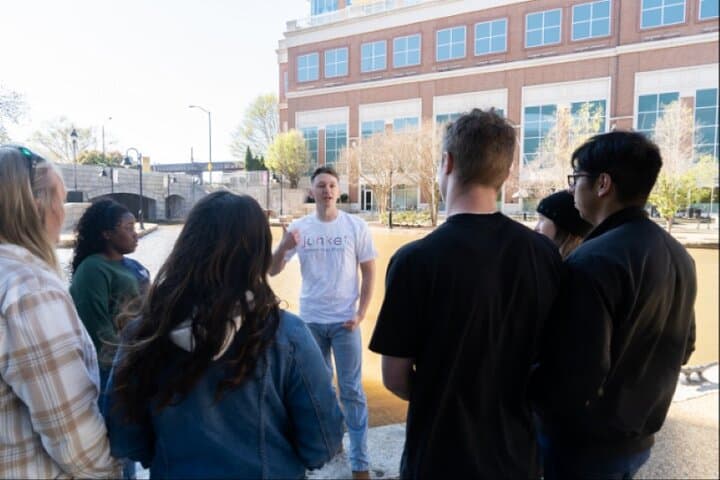
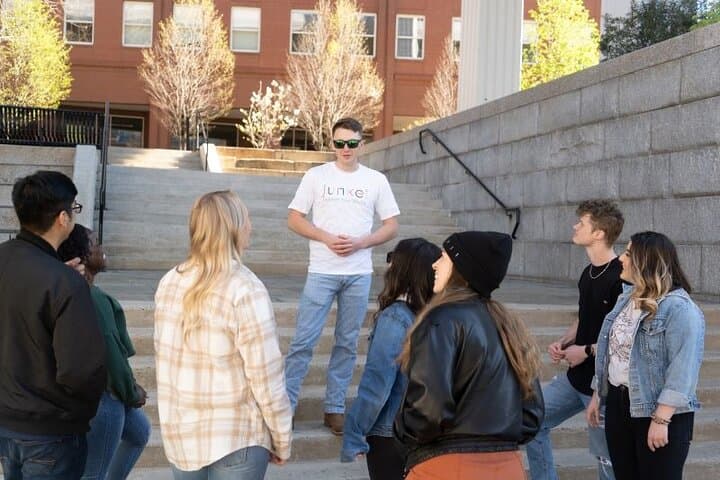
If you’re planning the trip, arrive 10–15 minutes early to meet the guide holding a lantern and wearing the tour shirt. The company emphasizes researched history over sensationalism and allows service animals; it’s not recommended for people with certain cardiovascular issues due to walking and standing. The tour ends at the Mary Dyer statue near the State House, leaving you within easy reach of transit and evening dinner spots.
For travelers who want context with their curiosity, this walk is a measured, well-researched entry into Boston’s darker chapters—one that asks you to listen, think and leave with a clearer sense of how place shapes crime and how communities respond.
moderate.
2 hours.
Suitable for travelers who can stand and walk 1.5–2 miles with periodic stops; moderate fitness required for standing through 8–12 minute talks.
Yes. The route is wheelchair accessible and surfaces are suitable for mobility devices; notify the operator of any accessibility needs when booking.
This is an adults-only tour; themes and content are not appropriate for young children.
The experience is two hours and covers about 1.5–2 miles with frequent stops for narration.
The tour does not automatically cancel for rain; check your confirmation and contact the operator—refund policy allows cancellation at least 24 hours prior.
Yes. Guides use vetted research and emphasize respectful, factual storytelling rather than sensationalism.
It starts at the George Washington statue in Boston Public Garden and ends at the Mary Dyer statue near the Massachusetts State House.
The tour threads through sites connected to 18th–20th century legal and social upheavals, from grave-robbing linked to medical schools to landmark trials that shaped American jurisprudence.
Boston’s historic districts are protected by preservation rules; stay on sidewalks and respect monuments to limit wear and protect fragile stonework.
Boston Ghosts By Us Ghost Adventures operates guided outdoor trips and adventures with an emphasis on safety, stewardship, and memorable experiences.
The lantern bobbing in the low light feels like a prop from a ghost story, but the stories your guide tells are rooted in court dockets, newspaper pages and the city’s cracked sidewalks. You meet at the George Washington statue in Boston Public Garden and the tour slips through formal lawns, past granite façades and into narrow alleys where the city’s quieter histories gather like dust.
The lantern bobbing in the low light feels like a prop from a ghost story, but the stories your guide tells are rooted in court dockets, newspaper pages and the city’s cracked sidewalks. You meet at the George Washington statue in Boston Public Garden and the tour slips through formal lawns, past granite façades and into narrow alleys where the city’s quieter histories gather like dust.
This is not gore for spectacle. It’s a paced, adults-only walk through places where decisions and disasters altered lives—and Boston itself. Stops include the Ether Monument that marks early forensic dramas, the courthouse steps where a child defendant made legal history, the spot tied to the Boston Marathon Bombing and sites connected to serial offenders who haunted the region in the 20th century. The route leads you past bandstands and cemeteries that reveal the city’s uneasy intersection of wealth, science and rumor.
Boston’s geography amplifies these stories. The Charles River, always watching, divides civic triumphs from the more desperate neighborhoods where crimes unfolded. Granite and brick keep secrets in their mortar lines; the city’s colonial-era grid forces narratives to press against one another until the dark details are impossible to ignore.
Culturally, the tour slips between reverence and inquiry. Guides lean on public records and local reporting to separate myth from fact—because Boston is a place that prizes both storytelling and accuracy. Along the way you encounter the economic and social threads that feed crime: immigration patterns, urban density, and the uneven reach of justice.
Practically, the two-hour route covers roughly 1.5–2 miles of mostly flat, wheelchair-accessible sidewalks; expect frequent stops for 8–12 minute talks. Wear shoes that handle cobblestone edges and bring a light jacket—the harbor wind can cut through a blazer. Cameras are welcome but be respectful: these are recent tragedies for many families.
If you’re planning the trip, arrive 10–15 minutes early to meet the guide holding a lantern and wearing the tour shirt. The company emphasizes researched history over sensationalism and allows service animals; it’s not recommended for people with certain cardiovascular issues due to walking and standing. The tour ends at the Mary Dyer statue near the State House, leaving you within easy reach of transit and evening dinner spots.
For travelers who want context with their curiosity, this walk is a measured, well-researched entry into Boston’s darker chapters—one that asks you to listen, think and leave with a clearer sense of how place shapes crime and how communities respond.